SEOUL — South Korea has seen a sharp and alarming rise in deceptive practices by "academy-style" entertainment agencies, which prey on the aspirations of children and teenagers dreaming of becoming models, actors, or K-pop idols. Utilizing false promises of sudden stardom, these agencies lure young applicants and their families into expensive, binding contracts, only to stonewall requests for refunds and contract terminations.
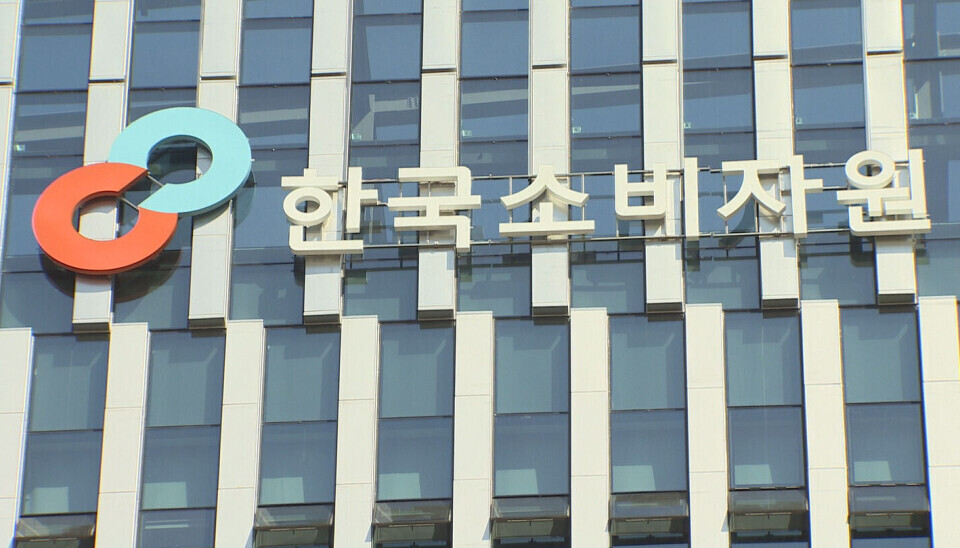
According to data released by the Korea Consumer Agency (KCA) on October 22, a total of 366 consumer grievance applications regarding fraudulent academy-type entertainment agencies were filed between 2023 and the first half of 2026.
The statistics reveal a rapidly escalating trend. Reported cases surged from 41 in 2023 to 86 in 2024, marking a staggering 109.8% year-over-year increase. The upward trajectory continued last year with 148 cases—a 72.1% jump from the previous year. Even more concerning, the first half of this year alone recorded 91 cases, representing a 75.0% surge compared to the 52 cases reported during the same period last year.
Minors Bear the Brunt of Exploitation
While individuals of various age groups have fallen victim to these scams, minors (children and adolescents) accounted for the largest share of grievances, with 184 cases, or 50.3% of the total. They were followed by middle-aged adults (ages 40 to 64) at 86 cases (23.5%), and young adults in their 20s and 30s at 83 cases (22.6%).
Many parents are targeted because they wish to support their children’s dreams in South Korea’s booming entertainment industry. However, industry insiders note that these bogus agencies exploit parental affection and the high social value placed on youth modeling and celebrity status.
High-Pressure Tactics and False Promises
The fraudulent operations typically follow a well-rehearsed playbook designed to manipulate families into hasty financial commitments.
Victims often report that after bringing their children in for a basic camera test or interview, representatives quickly notify them of an "unexpected pass" or acceptance on the very same day or the following day. When parents express hesitation or ask for time to review the terms, agents exert intense psychological pressure, claiming that the rare opportunity will immediately be given to someone else if not signed on the spot.
A typical case highlights this predatory cycle. In August 2024, a parent identified only as Mr. A signed a children’s model agency contract and paid 1.98 million Korean won (approximately $1,450 USD). He was promised diverse activities for his child, including magazine spreads, brand advertisements, and professional portfolios. However, 19 months passed with virtually no substantive services provided. When Mr. A requested a contract cancellation and a full refund this March, the agency completely cut off communication, leaving him with no recourse.
Contract Violations and Refund Struggles
An analysis of the 366 total cases shows that contract termination issues accounted for an overwhelming 386 issues, or 98.6% of the disputes.
Refusal to Refund: Refusing to grant refunds upon contract cancellation made up nearly half of the cases at 179 (49.6%).
Delayed Refunds: 90 cases (24.9%) involved unreasonable delays in returning funds.
Excessive Penalty Fees: 82 cases (22.7%) involved exorbitant cancellation penalties.
Sudden Disappearance: 7 cases (1.9%) involved agencies completely vanishing or going dark.
Among the 328 cases where specific contract breach reasons were confirmed, simple change of mind by consumers accounted for 245 cases (74.7%), while documented contract breaches by businesses accounted for 79 cases (24.1%).
Among the business contract breach cases, 46 instances (58.2%) involved failing to provide promised acting or modeling training or failing to secure auditions. In 24 instances (30.4%), agencies falsely promised drama appearances or brand ambassador selections that turned out to be entirely fabricated or unconnected to any real brands.
Compounding the problem, financial recovery remains remarkably low. Out of the 366 total complaints filed with the KCA, only 172 cases (47.1%) resulted in actual refunds or successful dispute resolutions. Less than half of the victims recovered their hard-earned money.
Consumer Protection Authorities Issue Urgent Warning
In light of the growing crisis, the Korea Consumer Agency and industry experts have issued strict warnings to parents and aspiring performers.
Legitimate, mainstream entertainment agencies in South Korea do not charge trainees or aspiring models upfront fees for profiles, management, or standard training. Therefore, any agency demanding profile consulting fees, administrative costs, or upfront deposits should immediately trigger red flags, and consumers are advised to halt negotiations.
Furthermore, consumers must exercise extreme caution regarding verbal promises. Any guarantees of specific television appearances, commercial castings, or career milestones must be explicitly written into special clauses within the official contract. Before signing, families should carefully review the contract duration, refund policies, and provisions for mid-term cancellations.
"Consumers must not be blinded by sudden 'audition passed' notices," a KCA official warned. "Always thoroughly verify whether an agency has a proven, legitimate track record and the actual capacity to support professional entertainment activities before signing away your money."
[Copyright (c) Global Economic Times. All Rights Reserved.]