SEOUL, South Korea — For years, a typical itinerary for international visitors to South Korea revolved around a predictable circuit in Seoul: touring Gyeongbokgung Palace, shopping at duty-free department stores, and staying in major downtown hotels. Today, however, a dramatic shift in travel behavior is redistributing tourism revenue across the peninsula.
Instead of remaining confined to the capital, foreign travelers are increasingly boarding high-speed KTX trains for day trips to regional cities—not for historical monuments, but to experience the exact bakeries, street markets, and local eateries frequented by South Koreans.
Regional Spending Outpaces the Capital
According to data released by the Korea Tourism Data Lab, foreign tourist spending outside the greater Seoul metropolitan area reached 2.23 trillion won ($1.6 billion) between January and October of this year. This marks a 56.3% surge compared to the same period last year, outpacing the 49.2% growth rate recorded in the capital region by 7.1 percentage points.
Busan led the regional boom, becoming the first non-capital city to surpass the 1 trillion won threshold in foreign tourism expenditure, hitting 1.15 trillion won (a 51.8% increase). Other provinces also saw explosive growth rates that outstripped Seoul, including Jeju Island (94.2%), North Chungcheong Province (62.9%), and Gangwon Province (50.9%).
The "Bakery Pilgrimage" and Local Dining Boom
This shift toward "everyday tourism" has transformed small neighborhood businesses into major economic beneficiaries. Across non-capital regions, spending at general restaurants skyrocketed by 77.5% year-on-year to 469.3 billion won, overtaking large shopping malls (455 billion won) to become the top spending category for foreign visitors.
Even more striking is the surge in the cafe and bakery sector, where foreign expenditure more than doubled—rising 100.6% to 103.4 billion won, crossing the 100 billion won mark for the first time. These local commercial districts are now growing significantly faster than traditional tourism staples like duty-free shops (52.4%) and hotels (40.3%).
Key regional hotspots illustrate this trend:
Daejeon: Famous for Sungsimdang, a legendary local bakery, the city has become a hub for day-trip "bread pilgrimages." Foreign spending on bakeries and cafes jumped 45.7%, creating a spillover effect that boosted nearby restaurant revenues by 57.4%.
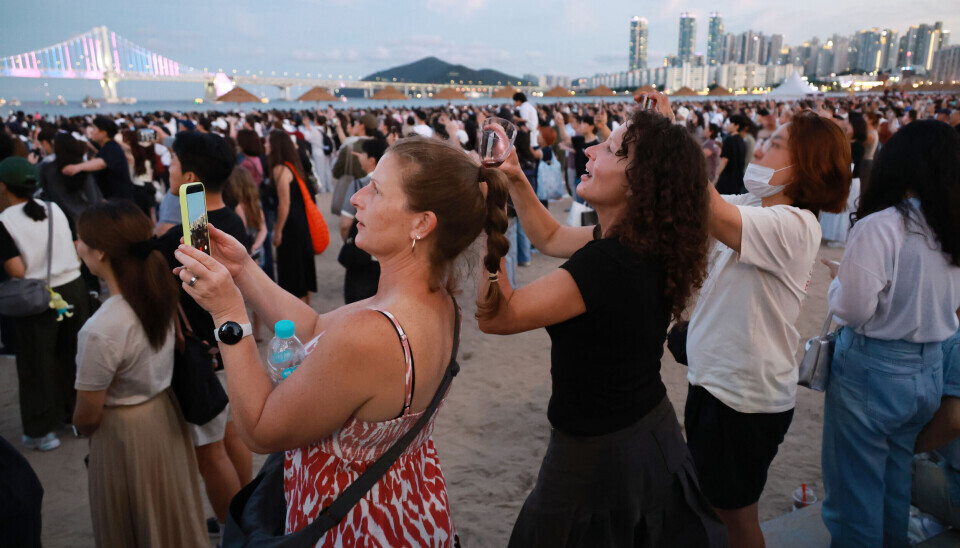
Busan: Driven by trendy spots like Jeonpo Cafe Street, ocean-view cafes in Huinnyeoul Culture Village, and local pork soup (dwaeji-gukbap) alleys in Haeundae, cafe and restaurant spending surged by 104% and 88.2%, respectively.
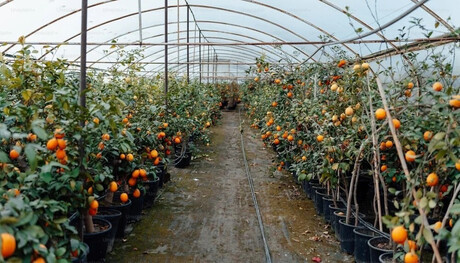
Jeju Island: With tourists flocking to Dongmun Traditional Market and coastal bakeries in Aewol and Gujwa, spending on cafes/bakeries spiked 151.8%, while restaurant spending climbed 108.9%.
Gangwon & North Gyeongsang: Coffee-centric destinations like Gangneung’s Anmok Beach (up 78.8%) and dessert-famous streets like Gyeongju’s Hwangnidan-gil (up 58%) also experienced steep increases in cafe and bakery sales.
Expanding into Culture and Medical Tourism
The regional trickle-down effect is no longer limited to food and beverage. High-value sectors are seeing rapid expansion outside Seoul. Regional spending on cultural services—such as performances, exhibitions, and hands-on experiences—jumped 114.9%, while leisure goods shopping grew by 109.8%. Medical tourism is also decentralizing, with dermatology and plastic surgery clinics driving massive expenditure growth in Busan (125.2%) and Jeju (96.3%).
Sustaining the Momentum
Industry analysts note that while this regional boom is a welcome development for local economies, structural improvements are necessary to ensure it is not merely a passing trend. Experts emphasize the need to expand direct international flight routes to regional airports and improve access to multilingual mobile payment systems.
Combining upgraded infrastructure with unique, localized culinary and wellness content will be critical to sustaining this nationwide tourism renaissance.
[Copyright (c) Global Economic Times. All Rights Reserved.]