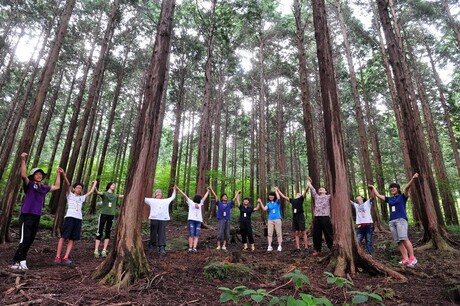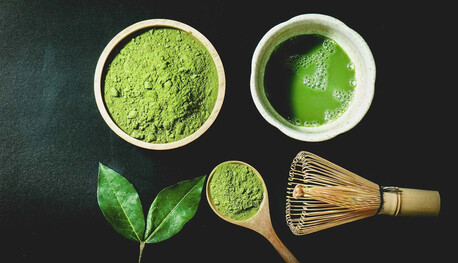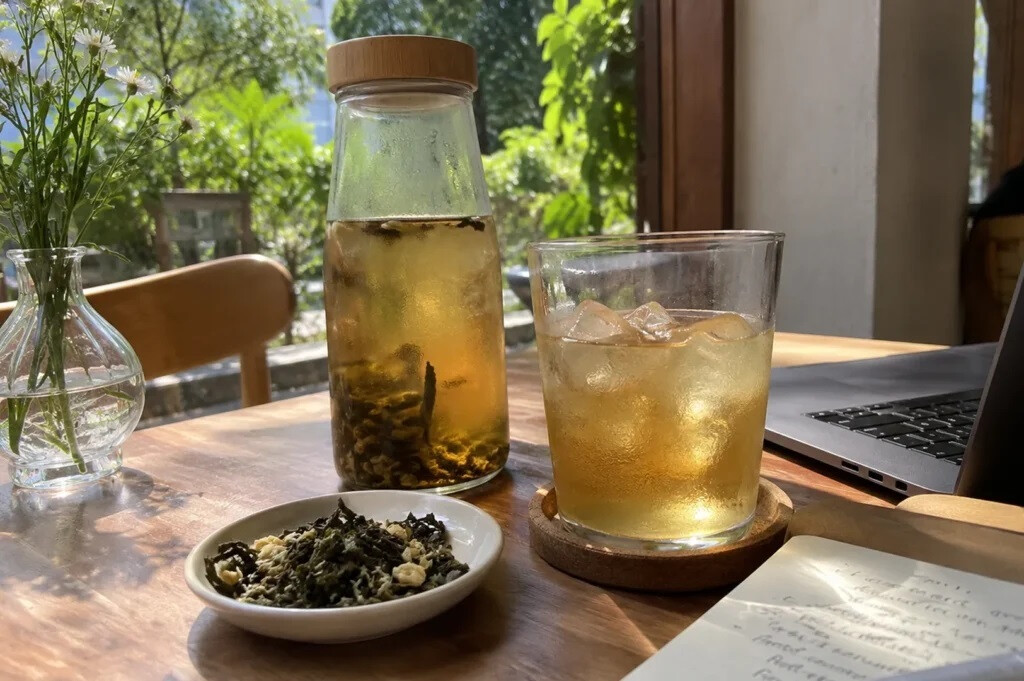
SEOUL — Under the crisp autumn sky along the Han River, a group of young adults sit on a picnic mat, opening a thermos. Hot water pours into a small teapot, and dried tea leaves slowly unfurl. As tiny cups are passed around, someone flips a page of a book while another gazes at the skyline across the water. There is no loud music, nor is there alcohol. Instead, time slows down to the gentle cooling rate of the tea.
This is the scene of “Yacha” (outdoor tea-drinking), a rapidly growing cultural phenomenon among South Korea’s twenty- and thirty-somethings.
From Formal Ritual to Casual Lifestyle
Traditionally, tea culture in Korea was viewed as a formal, solemn practice confined to quiet tearooms or cultural centers. It came with strict rules—demanding precise water temperatures, specialized brewing times, and intricate tea sets (dagu).
Today, however, the atmosphere has completely shifted. Young consumers are taking their home tea rituals out into parks, riverside benches, and even beaches. Blending "tea" and "picnic," trends like "Teacnic" and group outdoor tea ceremonies have become popular weekend activities. Among enthusiasts, this movement is affectionately abbreviated as Yacha.
The influence of young consumers is undeniable. At the 23rd International Tea Culture Fair held this past June, 50 to 60 percent of attendees participating in the tea-ceremony programs were in their twenties and thirties. Retail sectors are reflecting this boom as well. Hyundai Department Store reported a 41.3% year-on-year increase in tea-related product sales among Gen Z and millennials in the first half of this year. Similarly, Starbucks Korea noted an 8% rise in overall tea beverage sales in 2025, led by a 20% spike among customers in their twenties.
Lighter Rules, Practical Gear
What makes Yacha particularly appealing is its accessibility. Gone are the days when expensive, traditional porcelain was mandatory. Modern tea lovers prefer practical, lightweight, and affordable items—such as stainless steel thermoses or simple plastic-ware—making outdoor brewing hassle-free.
"You don't need to stress over expensive equipment," says Boram Hong, a 10-year tea enthusiast who frequently practices Yacha while reading outdoors. "By skipping formal constraints, we can focus entirely on the pure act of enjoying tea and being present in the moment."
Social media has acted as a powerful catalyst for this trend. Aesthetic photos and videos of outdoor tea setups spread quickly on platforms like X (formerly Twitter) and Instagram. Young people are styling their own unique tea sessions as creative content, sharing their tastes, favorite teaware, and scenic spots with peers. Local community platforms like Danggn also reported a staggering 64% increase in tea-club gatherings and a 140% surge in membership compared to the previous year.
The Appeal of Slow Living
Experts point out that the rise of Yacha speaks to a deeper psychological need among the younger generation. In a hyper-fast society driven by digital efficiency, tea naturally demands patience. Boiling water, measuring temperature, and waiting for leaves to steep create a deliberate, unhurried rhythm.
"People often assume young generations prefer loud, high-energy hobbies, but many actually crave calmness and quiet," notes Na-hee Lee, a university student. "Just like the fading culture of heavy drinking nights, Yacha offers psychological comfort. There's no pressure; making a mistake doesn't ruin anything."
Dajin Jeong, a certified tea sommelier, analyzes the trend as a reflection of modern values: "In this era, how and with whom you spend your time matters just as much as the quality of the tea itself. What young people are seeking isn't necessarily strict tradition—it’s the freedom to spend time slowly, entirely on their own terms."
As the autumn deepens, more young Koreans are packing a thermos and a mat instead of heading to crowded cafes. For a generation seeking both wellness and self-expression, a simple cup of tea under the open sky offers the ultimate pause from a busy world.
[Copyright (c) Global Economic Times. All Rights Reserved.]