![[등록] 2026-09-01 15:48:31](/support/_updata/banner2/tl181982910_6749.png)


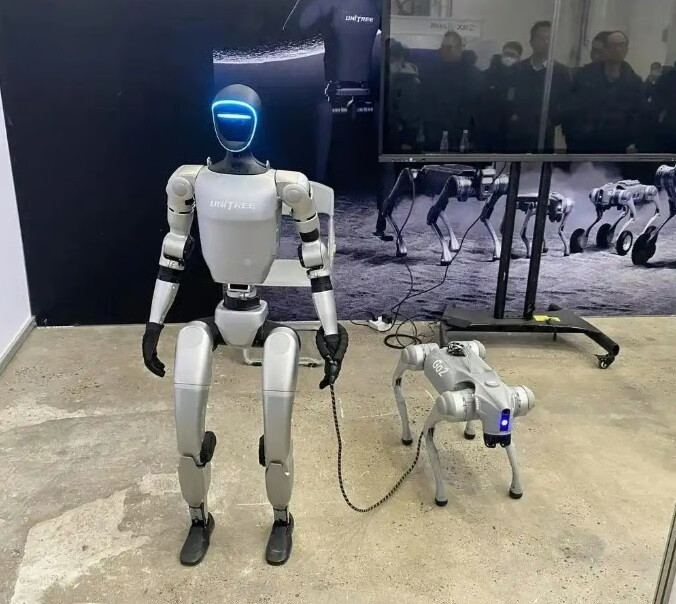
SEOUL — While the global tech race is currently fixated on sleek, bipedal humanoids, South Korea’s leading minds are shifting the focus back to the most critical element: Human-Robot Interaction (HRI). At the 2nd annual SNU Robotics Day, held on February 23 at Seoul National University’s Haedong Advanced Engineering Building, the air was filled with more than just the hum of motors. It was filled with a vision of robots that don't just mimic humans, but actively enhance human capability.
From Robotic Canines to Wearable Precision
The stars of the show weren't just metal statues. A four-legged robot, trained on motion-capture data from real dogs, captivated the audience by scratching its ear and crouching with uncanny realism.
"While humanoids are impressive, quadrupeds offer far greater stability in rugged terrains like construction sites or disaster zones," explained Lee Young-hwan, a researcher at the Dept. of Electrical and Computing Engineering.
Nearby, the "Wearable Glove" drew crowds. As a researcher flexed his fingers, a robotic hand across the room mirrored the movement instantly. This teleoperation technology is a glimpse into the future of remote surgery and the automation of high-precision manual labor.
The Rise of "Human-Centric" Engineering
This year’s event, featuring 60 researchers from 20 labs, moved away from the "humanoid hype" to prioritize wearable tech.
Virtual Simulation: Researchers demonstrated a system where an AI avatar's gait in a virtual environment controls a wearable exoskeleton. This allows for safe, low-cost testing for rehabilitation patients before they ever step into a physical device.
Cross-Disciplinary Innovation: The event broke the silos of engineering. Experts from clothing textiles and bio-health participated to ensure that robots are not just functional, but "wearable" and ergonomic. "No matter how advanced a robot is, it's meaningless if it’s uncomfortable for a human to use," noted Kim Min-kyung from the Dept. of Clothing and Textiles.
Experts Warn: "Beware the Humanoid Bubble"
The afternoon "Global Robotics Forum" featured a sobering reality check from Henrik Christensen, a professor at UC San Diego and a world-renowned authority on robotics.
Christensen delivered a sharp critique of the current industry trend, specifically targeting the vision promoted by figures like Elon Musk.
"The robotics industry is currently overselling and under-delivering," Christensen warned. He argued that while the idea of a humanoid in every home is a popular "dream" for investors, the practical reality of a $10,000 robot with limited utility remains far off.
He urged researchers to focus on the "Real World"—solving specific, messy problems in the field rather than creating impressive demos for social media.
South Korea’s Strategic Advantage
Despite the warnings about global hype, Christensen remained bullish on South Korea’s potential. He cited the country's robust manufacturing ecosystem—led by giants like Samsung and LG—and its sophisticated distribution networks as a unique foundation for leading the "Robot-as-a-Service" (RaaS) market.
The Conclusion of the Day: The future of robotics isn't about replacing humans with machines that look like us. It’s about creating a seamless bridge between biology and machinery. As Professor Kim Ah-young of SNU’s Dept. of Mechanical Engineering put it: "You cannot discuss the robot without the human at the center."
[Copyright (c) Global Economic Times. All Rights Reserved.]