![[등록] 2026-09-01 15:48:31](/support/_updata/banner2/tl181982910_6749.png)


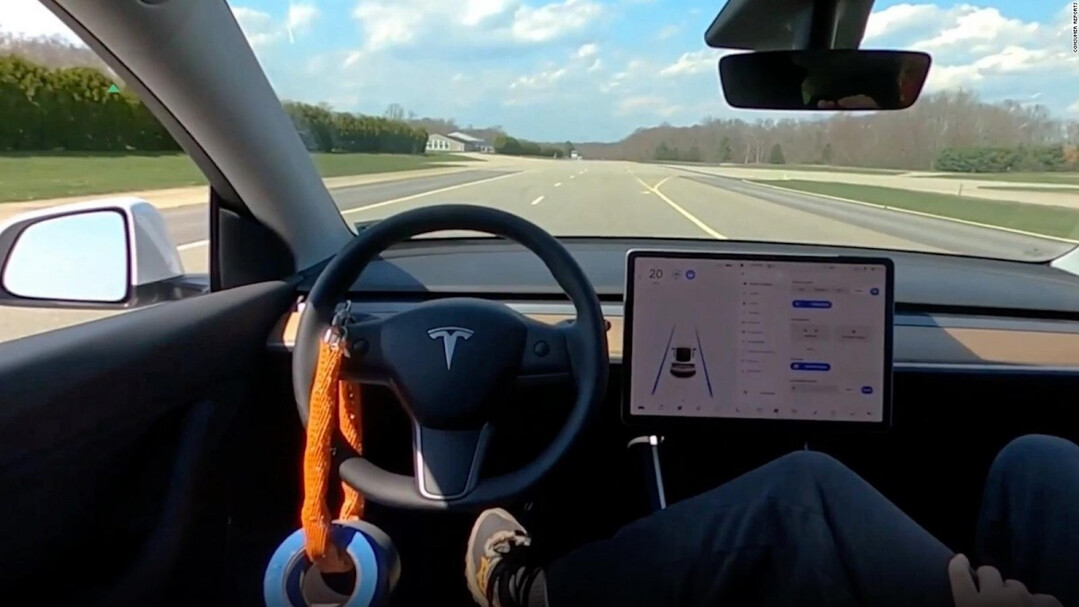
(C) Arena EV
LOS ANGELES — In a landmark decision that could disrupt Tesla’s operations in its most vital domestic market, a California administrative law judge has ruled that the electric vehicle (EV) maker misled consumers by marketing its driver-assistance features as "Autopilot" and "Full Self-Driving" (FSD).
The ruling, announced on December 17, 2024 (local time), supports allegations brought by the California Department of Motor Vehicles (DMV). The judge concluded that Tesla violated state laws by using terminology that implies its vehicles are capable of autonomous operation when, in reality, they require constant human supervision.
The Ruling and Probationary Period
The court proposed a 30-day suspension of Tesla’s manufacturing and dealer licenses in California. However, the DMV has opted for a measured enforcement approach. Instead of an immediate shutdown, the agency granted Tesla a 60-day grace period to correct its marketing materials and provide clearer disclosures to consumers.
"This is a consumer protection order regarding the use of the term 'Autopilot,'" the DMV stated. If Tesla fails to satisfy the corrective requirements within the two-month window, the month-long sales and production ban will take effect.
Tesla’s Defense and Market Impact
Tesla responded swiftly, downplaying the severity of the ruling. In an official statement, the company noted that "not a single customer" had raised a complaint regarding the terminology in this specific case and insisted that "sales in California will continue without interruption."
Despite the company's confidence, the financial markets reacted with caution. Tesla’s stock price, which had hit a record high of $489.88 just a day prior, fell by over 2% during intraday trading following the news.
California is the crown jewel of Tesla’s global empire:
Sales Volume: Between January and September 2024, approximately 135,000 Teslas were registered in California, accounting for roughly 11% of its global sales.
Production Power: The Fremont factory in the San Francisco Bay Area boasts an annual capacity of over 650,000 vehicles, making it Tesla’s second-largest plant after Giga Shanghai.
Context: A History of Regulatory Friction
The DMV first filed its complaint in November 2023, citing marketing language that claimed vehicles were "designed to be able to conduct short and long trips with no action required by the person in the driver’s seat."
In response to mounting pressure, Tesla recently updated its terminology to "Full Self-Driving (Supervised)," explicitly acknowledging that the driver must remain attentive. However, this shift has not shielded the company from further scrutiny. Beyond the DMV, Tesla faces a massive class-action lawsuit from consumers in the U.S. District Court for the Northern District of California and an ongoing investigation by the National Highway Traffic Safety Administration (NHTSA) regarding the safety of these systems.
The next 60 days will be a critical litmus test for Tesla’s relationship with California regulators. While a total shutdown of the Fremont plant remains unlikely if Tesla complies, the ruling sets a significant legal precedent that may force the company to permanently distance itself from the "Autonomous" branding that has been central to its identity for years.
[Copyright (c) Global Economic Times. All Rights Reserved.]