![[등록] 2026-09-01 15:48:31](/support/_updata/banner2/tl181982910_6749.png)


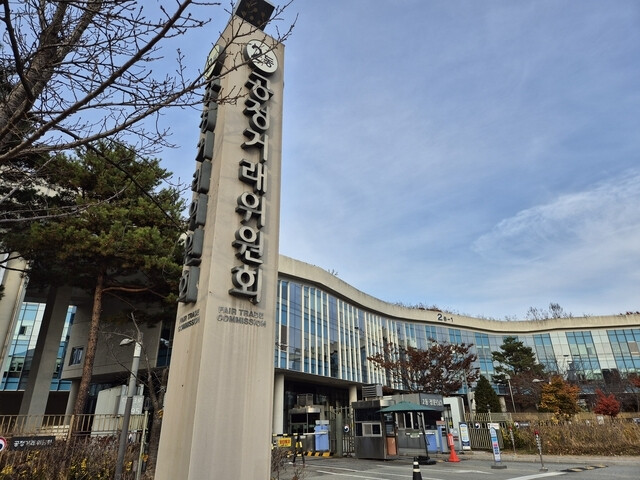
SEJONG – The Korea Fair Trade Commission (KFTC) announced on Thursday that it has imposed a combined fine of 338.3 billion KRW (approximately $245 million USD) on six major paper manufacturing companies. The companies were found to have systematically colluded to hike the prices of printing paper, a move that significantly increased the financial burden on the publishing and printing industries—and ultimately, consumers.
The staggering penalty marks the fifth-largest fine in the history of South Korean antitrust enforcement and the largest ever recorded within the domestic paper industry.
A Shadow Syndicate: 60 Meetings in 4 Years
According to the KFTC, the cartel consisted of the nation’s top six paper manufacturers: Hansol Paper, Moorim P&P, Moorim Paper, Hankuk Paper, Hongwon Paper, and Moorim SP. Together, these firms command a dominant 95% share of the domestic printing paper market.
The investigation revealed that over a period of three years and ten months, executives from these firms met more than 60 times to orchestrate price increases. Their coordination was meticulous; they agreed on seven separate price hikes, all of which were successfully implemented. By reducing discounts and raising base prices, the cartel drove the average price of printing paper up by a staggering 71%.
Espionage-Style Secrecy and "Dice Games"
The KFTC exposed the "clandestine and cinematic" methods used by the companies to evade regulatory oversight. To leave no digital footprint, executives avoided saving each other's contact information on their personal mobile phones. Instead, they kept physical lists of competitors' numbers using initials or pseudonyms. When communication was necessary, they bypassed their own phones, opting for public payphones, restaurant landlines, or phones belonging to junior staff.
The level of coordination extended even to the timing of their price announcements. To avoid appearing like a coordinated effort, they staged the order in which they would notify clients. When a consensus couldn't be reached on who should go first, they reportedly used dice or coin flips to decide the sequence.
Impact on the Public and Market Correction
"This structure forced the publishing industry to bear the brunt of the price increases, which likely contributed to the rising cost of books and magazines for the general public," stated Nam Dong-il, Vice Chairman of the KFTC.
In addition to the monetary fines, the KFTC has taken the rare step of issuing a "Price Readjustment Order." This requires the companies to independently recalibrate their prices back to competitive levels seen before the collusion. Furthermore, the firms must report their pricing changes to the KFTC every six months for the next three years to ensure compliance. This is only the second time such a measure has been used since the flour cartel case in 2006.
Breakdown of Fines and Legal Action
The individual fines were allocated based on the degree of involvement and revenue:
Hansol Paper: 142.5 billion KRW
Moorim P&P: 91.9 billion KRW
Hankuk Paper: 49.0 billion KRW
Moorim Paper: 45.8 billion KRW
Hongwon Paper: 8.5 billion KRW
Moorim SP: 347 million KRW
The KFTC has also referred Hankuk Paper and Hongwon Paper to the prosecution for further criminal investigation.
"We determined that a proactive price readjustment order was necessary to restore market competition as quickly as possible," Nam added. "The commission will continue to utilize aggressive corrective measures to root out anti-competitive behavior in essential consumer markets."
[Copyright (c) Global Economic Times. All Rights Reserved.]