• 2026.11.25 (Wed)
  • All articles
  • LOGIN
  • JOIN
Global Economic Times
한인동포뉴스(상단)
  • Synthesis
  • World
  • Business
  • Industry
  • ICT
  • Distribution Economy
  • Well+Being
    • Pet Life
    • Halal Horizon
  • Travel
  • Eco-News
  • Education
  • Korean Wave News
  • Opinion
  • Arts&Culture
  • Sports
  • People & Life
    • International Student Report
    • With Ambassador
  • Column
    • Cho Kijo Column
    • Cherry Garden Story
    • Ko Yong-chul Column
    • Kim Bong-seon's Photo Column
    • Kim Seul-Ong Column
    • Lee Yeon-sil Column
    • Professor Lee Soo-young’s Life Essays
  • Photo News
  • New Book Guide
MENU
 
Home > Distribution Economy

92% of Major Supermarkets Use Styrofoam Packaging for Food… Civic Groups Demand "Increase Unpackaged Sales"

Desk / Updated : 2026-11-25 21:59:36
  • -
  • +
  • Print

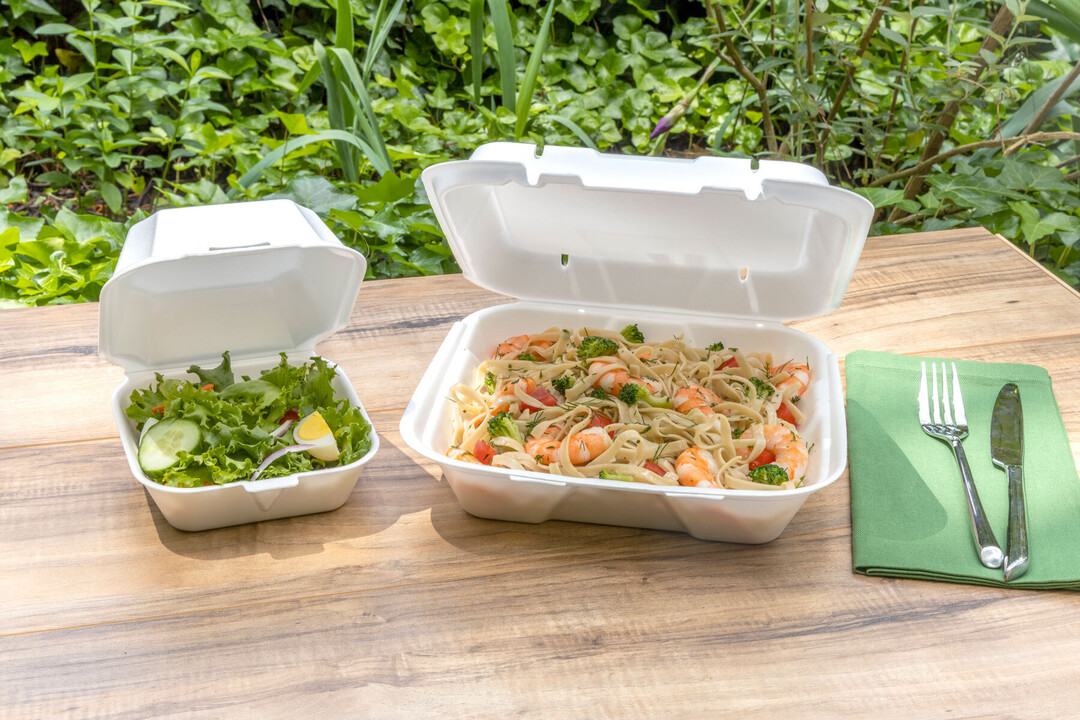
It has been revealed that 49 out of 53 major supermarkets in South Korea use Styrofoam packaging materials.

At a press conference held on the 25th in front of the Emart headquarters in Jung-gu, Seoul, the Mapo Resource Circulation Network and Almang Market released for the first time the "2026 BFFP Supermarket Audit Korea Results," which examined the status of plastic packaging across 53 major supermarkets nationwide—including Emart, Lotte Mart, Homeplus, Nonghyup Hanaro Mart, and GS The Fresh—from May 15 to July 31.

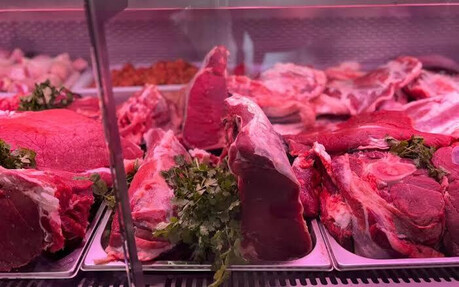
This survey is a citizen science investigation conducted by the global plastic reduction coalition "Break Free From Plastic" (BFFP), in which South Korea participated for the first time this year. According to the results, 49 out of 53 stores (92%) were confirmed to use Styrofoam packaging. 74% of meat and 85% of seafood were sold in Styrofoam trays. Compared to the global averages of 37% for meat and 30% for seafood, South Korea's reliance on plastic packaging is more than twice as high.

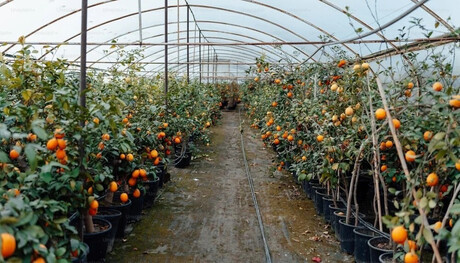
The packaging rate for agricultural produce was also high. Out of 258 assessments of produce categories, 90% were sold "mostly" or "entirely" packaged. The packaging rate by item ranged from 83% to 96%, far exceeding the global usage rate of 41% to 74%.

Among the surveyed stores, not a single one had a dry bulk or refill corner where customers could purchase only the amount they needed without packaging. At 43 staffed counters checked for reusable container acceptance, only 12 allowed personal containers, while 18 refused them. Only 24 stores (45%) had confirmed return counters for the empty bottle deposit system.

Oh Hyun-joo, head of Zero Waste City Lab, who attended the press conference, pointed out, "This survey focused on areas where supermarkets directly package and display items, such as vegetables, fruits, and fish—areas that supermarkets can change immediately if they choose to." She added, "Wrapping even fruits like tangerines and oranges, whose peels act as natural packaging, in plastic is not for product protection but merely out of habit," demanding that "the five major supermarket chains expand unpackaged sales of fruits and vegetables and provide reusable mesh bags and paper bags instead of plastic bags."

Health hazards associated with food packaging were also raised. Dr. Choi In-ja from the Wonjin Institute for Occupational and Environmental Health explained the toxicity of styrene—the raw material for Styrofoam—and certain additives used in PVC wrap, pointing out the potential migration of chemicals from packaging into food. She stated, "Both PVC and Styrofoam trays are plastics that threaten human health during use and burden the environment after disposal."

Koh Geum-sook, co-representative of Almang Market, criticized domestic supermarket packaging practices by sharing her experience of seeing produce sold without packaging at local supermarkets in Kerala, India. Koh emphasized the need for refill and reuse systems in major supermarkets, saying, "Finding unpackaged produce other than potatoes or watermelons in Korean supermarkets is harder than 'Where's Waldo?'" and "No matter how many reusable shopping bags you bring, the system forces you to buy trash the moment you step over the supermarket threshold."

Civic groups demanded six improvements: expanding unpackaged produce sales, disclosing a phase-out schedule for meat and seafood Styrofoam trays, allowing personal containers, introducing dry bulk and refill corners, disclosing plastic usage volume, and providing clear guidance for empty bottle return counters.

The Mapo Resource Circulation Network and Almang Market plan to deliver an open letter to the five major supermarket chains and request an official response by December 23. BFFP will release a global report compiling survey results from 51 countries on December 8, and the two Korean organizations plan to publish a South Korean edition of the report within the year.

[Copyright (c) Global Economic Times. All Rights Reserved.]

  • #Cherry Garden
  • #HalalFood
  • #Halal
  • #Petlife
  • #Cats
  • #Dogs
  • #Halalhorizone
  • #Hormuz Impasse
  • #Joseon
  • #globaleconomicti
Desk
Desk

Popular articles

  • Beijing Demands Washington Deliver on Tariff Cuts to Unlock U.S. Farm Exports

  • AI Semiconductor Stocks Plummet: Philadelphia Index Drops 5.28% and Micron Plunges 7.59% Amid Executive Shakeup and Export Restrictions

  • Department Stores Have ‘ELS’, Shopping Malls Have ‘ODM’… Distribution Industry’s ‘Bedfellows’

I like it
Share
  • Facebook
  • X
  • Kakaotalk
  • LINE
  • BAND
  • NAVER
  • https://globaleconomictimes.kr/article/1065617865660028 Copy URL copied.
Comments >

Comments 0

Weekly Hot Issue

  • Pets at Home Forecasts Top-End FY27 Profit as First-Half Earnings Surge 44% 
  • Samsung’s Galaxy SmartTag3 Turns Pet Collars Into Connected Care Hubs
  • Indonesia Expands Halal Oversight to Cosmetics Retailers and E-Commerce Platforms Amid 2028 Product Deadline Extension
  • Sabah Ramps Up Halal Certification Drive to Unlock Regional and Global Markets for Local MSMEs
  • Istanbul Convenes Global Halal Leaders for 2026 Trade Expo and Summit
  • Six Arrested on Felony Animal Cruelty Charges at Orlando Slaughterhouse

Most Viewed

1
South Korean Burger Chain Lotteria Expands Singapore Footprint with Halal Certification and New Teriyaki Lineup
2
AI Semiconductor Stocks Plummet: Philadelphia Index Drops 5.28% and Micron Plunges 7.59% Amid Executive Shakeup and Export Restrictions
3
"Stay Out, Get Paid, or Have Police Stay With You": Shenzhen Imposes Strict Security Ahead of APEC Summit
4
Taiwan Bans Short-Selling Below Previous Close Starting Nov. 23, Raises Margin Ratio to 150%
5
AI Music Tops Melon Chart: Is the K-Pop Production Formula Changing?
체리가든 스토리
nutri huevos
로타리
동포저널

Hot Issue

Trump Faces Rare Bipartisan Backlash Over Jensen Huang’s Return to Nvidia

Beyond the Click: How Agentic AI is Quietly Dismantling the App Economy

Jeju Tests Solar-Powered Greenhouses to Grow Carbon-Free ‘RE100’ Tangerines

Fashion Runway Show 2026

Let’s recycle the old blankets in Jeju Island’s closet instead of incinerating them.

Global Economic Times
korocamia@naver.com
CEO : LEE YEON-SIL
Publisher & Editor : KO YONG-CHUL
Registration number : Seoul, A55681
Registration Date : 2024-10-24
Youth Protection Manager: KO YONG-CHUL
Singapore Headquarters
5A Woodlands Road #11-34 The Tennery. S'677728
Korean Branch
Phone : +82(0)10 4724 5264
#304, 6 Nonhyeon-ro 111-gil, Gangnam-gu, Seoul
Copyright © Global Economic Times All Rights Reserved
  • News K
  • 반달곰 프로젝트
  • 광고문의
Search
Category
  • All articles
  • Synthesis
  • World
  • Business
  • Industry
  • ICT
  • Distribution Economy
  • Well+Being 
    • 전체
    • Pet Life
    • Halal Horizon
  • Travel
  • Eco-News
  • Education
  • Korean Wave News
  • Opinion
  • Arts&Culture
  • Sports
  • People & Life 
    • 전체
    • International Student Report
    • With Ambassador
  • Column 
    • 전체
    • Cho Kijo Column
    • Cherry Garden Story
    • Ko Yong-chul Column
    • Kim Bong-seon's Photo Column
    • Kim Seul-Ong Column
    • Lee Yeon-sil Column
    • Professor Lee Soo-young’s Life Essays
  • Photo News
  • New Book Guide
  • Overseas Koreans
  • Multicultural News