

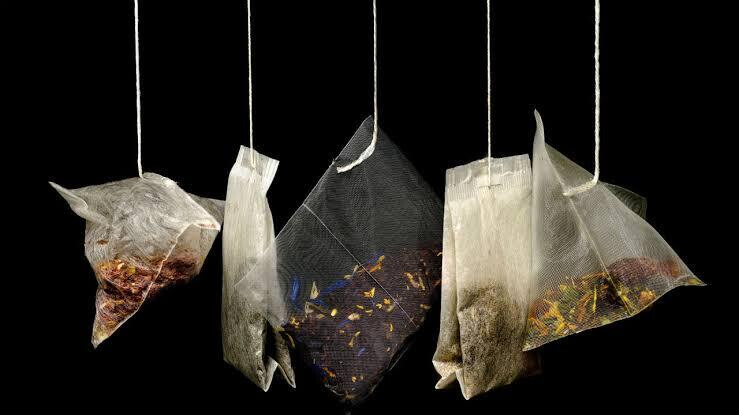
As cooler weather prompts more people to reach for a comforting cup of hot tea, recent scientific studies suggest that steeping a standard tea bag may release millions of microscopic plastic particles and chemical additives into the brew.
While tea bags offer unmatched convenience compared to loose-leaf tea, researchers have found that the materials used to construct and seal them—including those marketed as paper or eco-friendly—can shed significant amounts of microplastics when exposed to boiling water.
Paper and "Eco-Friendly" Tea Bags Are Not Exempt
Many consumers assume that switching from nylon or mesh tea bags to paper ones eliminates plastic exposure. However, a study published last September in the journal Scientific Reports by researchers at Kyungpook National University analyzed eight commercial tea bag products and detected suspected microplastic particles in every single sample.
In the experiment, researchers removed the tea leaves and steeped the empty bags in 95°C (203°F) water for 10 minutes. Fluorescence microscopy revealed that a single tea bag released between 1,200 and 13,700 suspected microplastic particles—an 11.5-fold difference depending on the product.
Notably, the highest particle count came from a paper tea bag coated with polylactic acid (PLA), a plant-based bioplastic derived from corn or sugarcane. Experts explain that even paper tea bags require heat-sealing along the edges to prevent tea leaves from escaping, a process that frequently relies on polypropylene (PP) or PLA coatings. Although PLA is biodegradable under specific industrial conditions, it remains a polymer capable of shedding microplastics in hot water.
Detection of Endocrine-Disrupting Chemicals
Beyond microplastics, additional chemical compounds have been identified in steeped tea. In October, researchers at Recep Tayyip Erdoğan University in Turkey published findings in npj Science of Food after examining 14 brands of bagged tea and 14 brands of loose-leaf tea.
When four brands utilizing plastic tea bags were steeped in 95°C water for three minutes, they released an average of 555 to 2,498 microplastic particles per cup. Furthermore, chemical analysis of the brewed water detected traces of bisphenol A (BPA) and phthalates—substances widely recognized as potential endocrine disruptors that can interfere with human hormone systems. While scientists note that the mere presence of these chemicals does not automatically confirm immediate health harm—as toxicity depends on dosage and cumulative exposure—the findings highlight an unintended route of chemical ingestion.
Steeping Habits Influence Exposure Levels
How a consumer prepares their tea also plays a critical role in particle release. A study published last year in Polymers tested eight tea bag materials, including nylon, polypropylene, and cellulose, and confirmed that higher water temperatures and longer steeping durations directly correlate with higher concentrations of released particles.
These findings align with a 2024 investigation by the Seoul Metropolitan Government Research Institute of Public Health and Environment, which tested 20 commercial tea bags. The institute found polypropylene and polyamide microplastics even in paper-based bags. Crucially, leaving a tea bag in 100°C (212°F) water for 20 minutes—a common habit among drinkers who leave the bag in their mug while sipping—resulted in two to four times more microplastics compared to following the manufacturer’s recommended steeping time.
How to Minimize Risk
The long-term physiological effects of ingesting microplastics remain under active investigation, though preliminary cellular and animal studies have linked microplastic exposure to gut inflammation, cellular damage, reduced lung function, and reproductive hormone alterations.
To reduce unnecessary exposure without giving up tea, researchers recommend two practical adjustments:
Remove the bag promptly: Steep the tea strictly for the duration indicated on the packaging and remove the bag before drinking, rather than letting it sit in the hot water.
Switch to loose-leaf tea: Using whole tea leaves with a stainless steel or glass infuser completely eliminates microplastic shedding originating from synthetic tea bag filters and sealants.
As Jeong Hee-jeong, a researcher at the Seoul Metropolitan Government Research Institute of Public Health and Environment, advised in the 2024 report, consumers should avoid leaving tea bags submerged while drinking and instead remove them immediately after the recommended brewing time.
[Copyright (c) Global Economic Times. All Rights Reserved.]