![[등록] 2026-09-01 15:48:31](/support/_updata/banner2/tl181982910_6749.png)


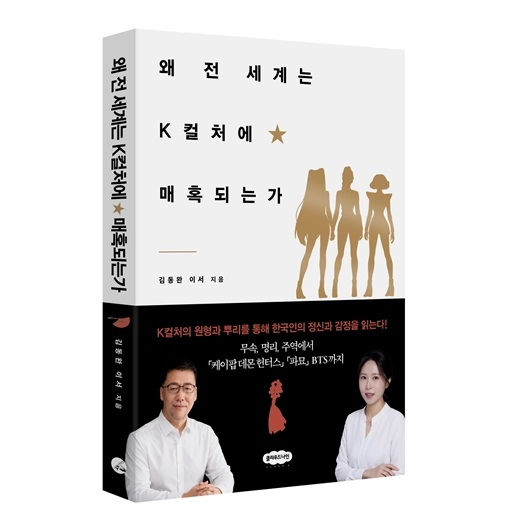
The explosive global success of K-culture, which has captivated fans worldwide, is often attributed to its glamorous production values and sophisticated visual aesthetics. However, beneath this polished exterior lies a deep well of accumulated cultural unconsciousness and traditional Korean sensibilities. In their new book, "Why Is the World Fascinated by K-Culture?", authors Kim Dong-wan and Lee Seo investigate the hidden roots of K-culture through core keywords such as shamanism, Myung-li (four pillars of destiny), I Ching, "Han" (a deep-seated sense of unresolved grief or resentment), and "Shinmyung" (ecstatic divine energy).
Analyzing works like the animated film "K-Pop: Demon Hunters"—which features idols utilizing traditional shamanic tools—alongside ancestor and grief-resolution narratives in "Exhuma" and "Guardian: The Lonely and Great God," the authors define the essence of Korean occultism as a dynamic of "relationships and the dissolution of Han." Just as traditional shamans used gut (shamanistic rituals) to calm communal anxiety, modern K-pop idols wave lightsticks and engage in "tteachang" (mass singing) alongside their fandoms on stage, binding scattered emotions into a unified rhythm. This structure mirrors how the sorrowful "Han" of a traditional ritual is sublimated into joyful "Shinmyung" through collective participation.
Furthermore, the authors shed light on the contemporary phenomenon of young adults turning to fortune-telling apps and YouTube tarot readings in the hyper-driven digital age. They argue that as data overflows, youths are actively seeking a specialized language to interpret and navigate their existential uncertainties. Ultimately, Kim Dong-wan and Lee Seo diagnose that the true power of K-culture stems from the enduring Korean mindset of transforming anxiety into compelling narratives and channeling blocked emotions into shared communal spaces for resolution.
[Copyright (c) Global Economic Times. All Rights Reserved.]