![[등록] 2026-09-01 15:48:31](/support/_updata/banner2/tl181982910_6749.png)


(C) Financial Times
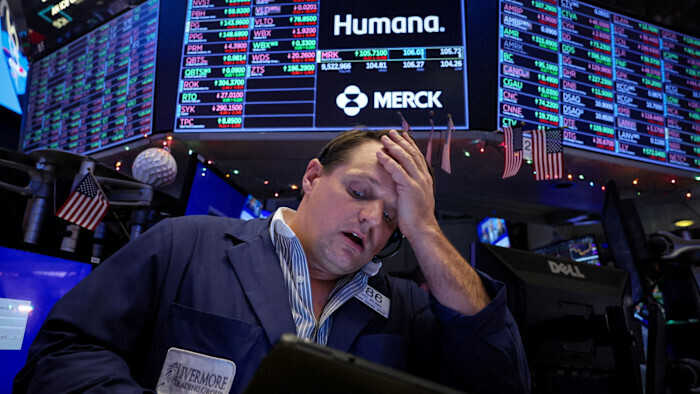
NEW YORK — As the smoke rises over Tehran following President Donald Trump’s decisive military intervention, the floor of the New York Stock Exchange remains surprisingly resilient. While the headlines scream of geopolitical upheaval and the end of Iran’s 37-year theocracy, the "smart money" in Manhattan is looking past the Tomahawk missiles. They are staring instead at a silent, $1.8 trillion ticking time bomb buried deep within the shadow banking system: Private Credit.
The Geopolitical Gambit: Trump’s "New World Order"
The 2026 Iran conflict is not merely a regional skirmish; it is a calculated strike at the heart of the China-Iran axis. By neutralizing the Iranian regime, the Trump administration has effectively choked off 15% of China’s oil imports in a single blow. "This is a feat no predecessor dared," Trump reportedly told aides, framing himself as the architect of a new global energy hegemony.
Despite a 14% spike in Brent crude, market veterans like Steve Eisman—the "Big Short" legend—are advising investors to ignore the war. "The fundamentals haven't changed," Eisman noted. "In two months, the oil premium will evaporate. The real story is the structural rot in credit."
The $1.8 Trillion Shadow in the Room
The true existential threat to the 2026 bull market lies in the Private Credit market. For a decade, private equity firms acted as "shadow banks," lending to mid-sized companies with little oversight. Now, as high interest rates persist and the "AI honeymoon" ends, the cracks are widening into canyons.
The warning signs are no longer subtle. The recent collapse of British mortgage lender MFS—amidst a £2.4 billion fraud scandal—has sent shivers through Wells Fargo and Jeffries. Meanwhile, Blackstone’s flagship private credit fund, BCRED, recently faced $3.8 billion in redemption requests, forcing insiders to step in to stabilize the ship.
"When you see one cockroach, there are usually many more," warned JPMorgan CEO Jamie Dimon, referring to the string of defaults hitting the sector.
The AI Connection and the "15% Default" Nightmare
The crisis is being fueled by a reversal in AI sentiment. Many private credit loans were extended to software firms whose valuations were predicated on infinite AI growth. As "AI Doom" theories suggest these companies may be disrupted rather than empowered by generative intelligence, their ability to service debt is vanishing.
UBS has issued a chilling forecast: in a worst-case scenario, default rates in private credit could surge to 15%—levels not seen since the 2008 Global Financial Crisis. Unlike 2008, however, this risk is now embedded in 401(k) plans and insurance portfolios, thanks to recent regulatory easing.
The Divergent Paths: Soft Landing or Systemic Collapse?
Wall Street remains split on the endgame. The "Optimists," led by Goldman Sachs CEO David Solomon and Blackstone’s Jon Gray, argue that the current distress is isolated to "bad actors" and that the broader credit market remains robust. They point to the Fed's historical willingness to provide liquidity during systemic shocks as the ultimate safety net.
Conversely, the "Realists" see a darker path. Bank of America’s Hartnett points out that Senior Loan ETFs have broken their 200-day moving averages—a technical signal that has preceded every major macro crisis in recent history. If the private credit market freezes, the "AI Revolution" could lose its funding, leading to a synchronized collapse of both tech valuations and credit stability.
The Final Verdict
As March 2026 unfolds, the "Iran Risk" is being priced in as a temporary inflationary spike. However, the "Credit Risk" is a structural nightmare. Whether the market experiences a "Reflation" boom under Trump’s aggressive fiscal policies or a "Big Short 2.0" depends entirely on whether the private credit titans can contain the rot before it reaches the retail investor.
For now, the message from the corner offices of Wall Street is clear: Watch the tankers in the Persian Gulf, but keep your eyes glued to the redemption gates of the private debt funds. That is where the real war will be won or lost.
[Copyright (c) Global Economic Times. All Rights Reserved.]