• 2025.12.09 (Tue)
  • All articles
  • LOGIN
  • JOIN
Global Economic Times
APEC2025KOREA가이드북
  • Synthesis
  • World
  • Business
  • Industry
  • ICT
  • Distribution Economy
  • Well+Being
  • Travel
  • Eco-News
  • Education
  • Korean Wave News
  • Opinion
  • Arts&Culture
  • Sports
  • People & Life
  • Column
    • Cho Kijo Column
    • Lee Yeon-sil Column
    • Ko Yong-chul Column
    • Cherry Garden Story
  • Photo News
  • New Book Guide
MENU
 
Home > Industry

South Korean Ferry Companies Receive Significant Tax Relief

Global Economic Times Reporter / Updated : 2024-12-31 17:25:50
  • -
  • +
  • Print


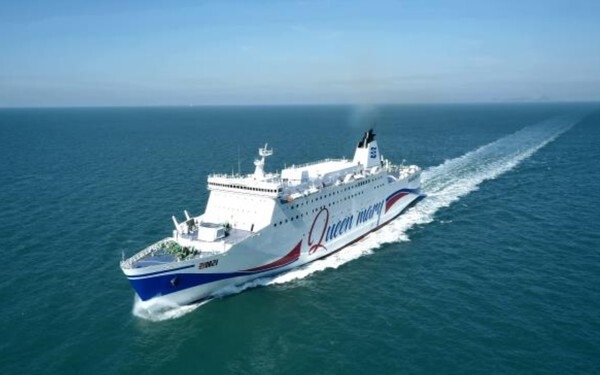
Seoul, South Korea – The South Korean Shipping Association (KSA) has secured a major victory for the nation's ferry industry, with the passage of a new law granting significant tax breaks to domestic passenger ships.

The newly amended Local Tax Special Act, which was co-sponsored by lawmakers Wi Seong-gon and Bae Jun-young, will provide tax relief on both acquisition and property taxes for passenger vessels operating on domestic routes. The tax benefits will be in effect for three years, from January 1, 2024, to December 31, 2027.

The KSA has been advocating for these tax breaks for some time, arguing that domestic passenger ships, which serve as a vital lifeline for many island communities, have been unfairly excluded from tax benefits previously granted to cargo ships and international vessels. The new law addresses this disparity, providing ferry companies with much-needed financial relief.

"This is a significant achievement for the ferry industry," said KSA Chairman Lee Chae-ik. "By reducing the financial burden on ferry companies, we can expect to see improvements in service quality, as well as investments in new, more environmentally friendly vessels."

The tax breaks are expected to save the ferry industry approximately 96 billion won (approximately US$72 million) over the next three years. With these savings, ferry companies can invest in upgrading their fleets, improving safety standards, and enhancing passenger comfort. Additionally, the reduced operating costs may allow companies to offer more competitive fares, attracting more passengers and stimulating tourism in coastal regions.

The new law is expected to have a positive impact on both the ferry industry and the communities it serves. By providing ferry companies with the financial resources they need to thrive, the government is investing in a more sustainable and resilient transportation system.

[Copyright (c) Global Economic Times. All Rights Reserved.]

  • #globaleconomictimes
  • #seoulkorea
  • #periodicoeconomico
  • #글로벌이코노믹타임즈
  • #GET
  • #GETtv
  • #대한민국
  • #중기청
  • #재외동포청
  • #외교부
  • #micorea
  • #my
Global Economic Times Reporter
Reporter Page

Popular articles

  • Kioxia Plunges to Daily Limit on Disappointing Earnings, Rattling Global Chip Stocks

  • Primera Edición de los 'MYKOREA Awards in Bangkok' Concluye con Éxito... Confirmando el Potencial de la Plataforma de Intercambio Global para Expandirse a Países de Todo el Mundo

  • Farewell to a Legend: South Korea Mourns the Passing of Esteemed Actor Lee Soon-jae

I like it
Share
  • Facebook
  • X
  • Kakaotalk
  • LINE
  • BAND
  • NAVER
  • https://globaleconomictimes.kr/article/1065601483702684 Copy URL copied.
Comments >

Comments 0

Weekly Hot Issue

  • Japan Police Deploy AI to Combat Illegal Job Postings on Social Media, Achieving Sixfold Efficiency
  • NYC Mayor-Elect Mamdani Affirms Immigrants' Right to Refuse Enforcement, Igniting Debate
  • Flare-Up on the Border: Thailand and Cambodia Clash Again Despite Trump-Brokered Truce
  • Sino-Japanese Conflict Escalates to Military Friction, Threatening Northeast Asia Stability
  • Ministry of Foreign Affairs, Ministry of Oceans and Fisheries, and Korea Coast Guard Ensure Flawless Protection of Citizens Even in Foreign Waters
  • U.S. Supreme Court Takes Up Challenge to Trump's Birthright Citizenship Policy

Most Viewed

1
Korean War Ally, Reborn as an 'Economic Alliance' Across 70 Years: Chuncheon's 'Path of Reciprocity,' a Strategic
2
A Garden Where the City's Rhythm Stops: Dongdaemun's 'Cherry Garden', Cooking Consideration and Diversity
3
The Sudden Halt of Ayumi Hamasaki's Shanghai Concert: Unpacking the Rising Sino-Japanese Tensions
4
Farewell to a Legend: South Korea Mourns the Passing of Esteemed Actor Lee Soon-jae
5
The Delivery Wars Intensify: Coupang Eats Triples Users on the Back of 'Free Delivery,' While Baemin and Yogiyo Decline
광고문의
임시1
임시3
임시2

Hot Issue

Musk's SpaceX Valuation Soars to Up to 800 Billion USD, Claiming Title as World's Most Valuable Private Company

Sino-Japanese Conflict Escalates to Military Friction, Threatening Northeast Asia Stability

Louvre Museum Rocked by New Crisis: Leak Damages Hundreds of Rare Egyptian Studies Texts

South Korea to Broaden Espionage Law to Combat Foreign Tech Theft

Let’s recycle the old blankets in Jeju Island’s closet instead of incinerating them.

Global Economic Times
korocamia@naver.com
CEO : LEE YEON-SIL
Publisher : KO YONG-CHUL
Registration number : Seoul, A55681
Registration Date : 2024-10-24
Youth Protection Manager: KO YONG-CHUL
Singapore Headquarters
5A Woodlands Road #11-34 The Tennery. S'677728
Korean Branch
Phone : +82(0)10 4724 5264
#304, 6 Nonhyeon-ro 111-gil, Gangnam-gu, Seoul
Copyright © Global Economic Times All Rights Reserved
  • 에이펙2025
  • APEC2025가이드북TV
  • 세종시
Search
Category
  • All articles
  • Synthesis
  • World
  • Business
  • Industry
  • ICT
  • Distribution Economy
  • Well+Being
  • Travel
  • Eco-News
  • Education
  • Korean Wave News
  • Opinion
  • Arts&Culture
  • Sports
  • People & Life
  • Column 
    • 전체
    • Cho Kijo Column
    • Lee Yeon-sil Column
    • Ko Yong-chul Column
    • Cherry Garden Story
  • Photo News
  • New Book Guide
  • Multicultural News
  • Jobs & Workers