![[등록] 2026-09-01 15:48:31](/support/_updata/banner2/tl181982910_6749.png)


(C) Euro Weekly News
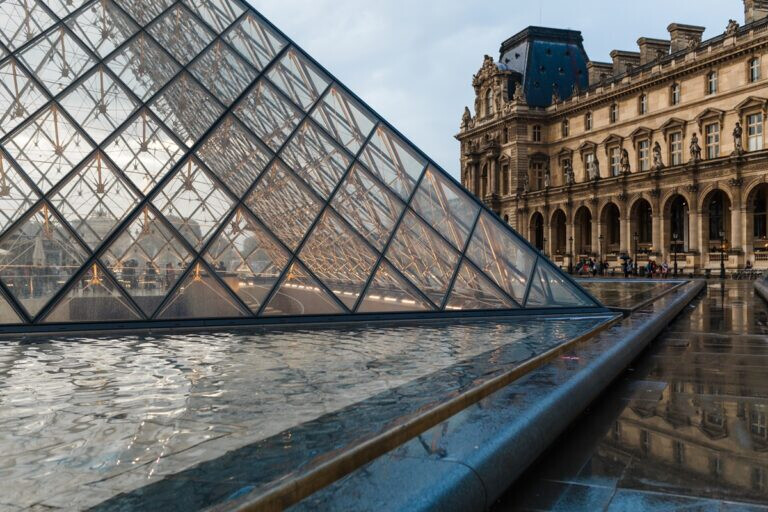
PARIS — Just weeks after a high-profile jewel theft exposed glaring security lapses, the world-renowned Louvre Museum in Paris is grappling with yet another crisis: a significant water leak that has damaged hundreds of valuable books and scientific documents held within its Department of Egyptian Antiquities. The incident has intensified scrutiny over the museum's deteriorating infrastructure and its ability to maintain its priceless collections.
Water Damage and Antiquity Concerns
The leak, which was discovered late last month but publicly confirmed by the museum on December 7 (local time), resulted in water seeping through the ceiling of a building housing the Egyptian department’s research library. The museum confirmed that between 300 and 400 books were affected.
According to the Louvre’s Deputy Director, François Saint-Bonnet, the damaged items consist of "Egyptology books and scientific documents" used by researchers. He specified that the texts date from the late 19th to the early 20th century.
Saint-Bonnet attempted to downplay the permanent loss, stating that the books, while "very useful," are "absolutely not unique." He added, "There is no clear, irreversible loss to the collection as of now," and confirmed the waterlogged items would undergo a drying and restoration process before being returned to the shelves.
However, the art specialist website La Tribune de l’Art contradicted the museum’s assurance, reporting that the leak had in fact damaged approximately 400 rare books, suggesting the loss might be more severe than officially disclosed. The discrepancy fuels public concern over the extent of the damage to the historical collection.
Infrastructure Failure and Management Oversight
The Louvre attributed the cause of the leak to aging pipework. An internal investigation is expected to be launched, but the preliminary assessment suggests that an obsolete valve in the museum’s heating and ventilation system was accidentally opened, allowing water to infiltrate the storage area.
Crucially, Saint-Bonnet admitted that the aging pipework was an already known problem, with repairs scheduled for as late as September next year. This revelation suggests a failure to prioritize necessary infrastructure repairs, particularly in areas storing irreplaceable collections.
The series of incidents has brought the Louvre's overall management and maintenance standards into sharp focus.
A String of Setbacks
The water damage follows a turbulent period for the institution:
October Jewel Theft: The museum was humiliated by a sophisticated break-in that saw a four-person gang steal eight jewels valued at approximately 100 million euros (149.9 billion Korean won). The incident led to widespread criticism regarding the museum’s insufficient security measures and staffing levels.
Campana Gallery Closure: Last month, the museum announced the closure of the Campana Gallery, a major exhibition space for ceramics, citing safety concerns related to the building's stability and maintenance.
In response to its mounting financial and infrastructure challenges, the Louvre announced a significant hike in admission fees last month, primarily targeting non-European Union tourists. The entry price is set to increase from the current 22 euros (about $24 USD) to 32 euros (about $35 USD) starting next year. The museum plans to channel the additional revenue generated by this fee increase directly into much-needed renovation and improvement projects.
The recent damage to the Egyptian texts underscores the urgency of these infrastructure investments. While the Louvre remains a global cultural icon, the recurring security breaches and infrastructural failures paint a concerning picture of a historical site struggling to cope with the demands of its massive scale and aging facilities. The international community is now watching to see if the museum can effectively utilize its increased funding to overhaul its operations and protect the treasures entrusted to its care.
[Copyright (c) Global Economic Times. All Rights Reserved.]