• 2026.11.10 (Tue)
  • All articles
  • LOGIN
  • JOIN
Global Economic Times
[등록] 2026-09-01 15:48:31
  • Synthesis
  • World
  • Business
  • Industry
  • ICT
  • Distribution Economy
  • Well+Being
    • Pet Life
    • Halal Horizon
  • Travel
  • Eco-News
  • Education
  • Korean Wave News
  • Opinion
  • Arts&Culture
  • Sports
  • People & Life
    • International Student Report
    • With Ambassador
  • Column
    • Cho Kijo Column
    • Cherry Garden Story
    • Ko Yong-chul Column
    • Kim Bong-seon's Photo Column
    • Kim Seul-Ong Column
    • Lee Yeon-sil Column
  • Photo News
  • New Book Guide
MENU
 
Home > Column > Cherry Garden Story

Duru-chigi: A Stir-Fried Korean Comfort Food

Hwang Sujin Reporter / Updated : 2024-12-22 17:16:01
  • -
  • +
  • Print


Duru-chigi, a beloved Korean dish, has a rich history and a simple yet flavorful profile. The name itself, roughly translating to "stir-fry," hints at the dish's preparation method. But what makes duru-chigi so special?

Origins of Duru-chigi

While the exact origins of duru-chigi are somewhat debated, there are two primary theories.

The Noble Banquet: One theory suggests that duru-chigi originated in the noble households of the Gyeongsang province. When unexpected guests arrived, the quick-cooking nature of this dish made it a perfect choice for a hastily prepared feast.
The Accidental Invention: Another tale comes from a restaurant in Daejeon. It's said that customers would frequently request a spicy, stir-fried dish with tofu, and the phrase "두부를 맛있게 매쳐라, 때려라, 매때려라, 두루쳐 내와 봐라" (roughly, "Stir-fry the tofu until it's spicy and delicious") was eventually shortened to duru-chigi.

How to Make Duru-chigi

Duru-chigi is incredibly versatile and can be made with a variety of ingredients. However, the core components typically include:

Meat: Pork belly is a popular choice, but beef, chicken, or even seafood can be used.
Vegetables: A mix of vegetables like onions, green peppers, and zucchini are common.
Seasoning: Gochujang (Korean red pepper paste) provides the heat and flavor, while soy sauce, garlic, and sesame oil add depth.
Tofu: Often added for a protein boost and a softer texture.

To make duru-chigi, simply:

Marinate: Marinate the meat in a mixture of gochujang, soy sauce, garlic, and sesame oil.
Sauté: Sauté the marinated meat until browned.
Add Vegetables: Add your chosen vegetables and cook until tender.
Simmer: Add a bit of water or broth, and simmer until the flavors meld.
Serve: Serve hot with steamed rice.
Duru-chigi is more than just a meal; it's a testament to Korean culinary ingenuity and a comforting dish enjoyed by many. Its simple preparation and adaptable nature have made it a staple in Korean households and restaurants worldwide.

[Copyright (c) Global Economic Times. All Rights Reserved.]

  • #globaleconomictimes
  • #koyongchul
  • #cherrylee
  • #seoulkorea
  • #periodicoeconomico
  • #글로벌이코노믹타임즈
  • #GET
  • #GETtv
  • #liderdel
Hwang Sujin Reporter

Popular articles

  • CGV Unveils October Tech Special Hall Lineup… From Films to K-Pop Live Concerts

  • November Shopping Festival Sparks Retail War in South Korea: Where to Find the Best Deals

  • First Snow and Freeze Hit Korea as Winter Officially Begins on 'Ipdeong'

I like it
Share
  • Facebook
  • X
  • Kakaotalk
  • LINE
  • BAND
  • NAVER
  • https://globaleconomictimes.kr/article/1065600901659050 Copy URL copied.
Comments >

Comments 0

Weekly Hot Issue

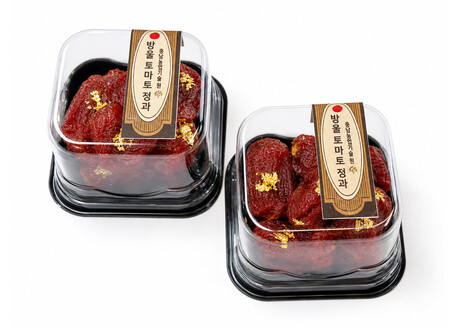
  • Chungnam Province Introduces Low-Calorie Cherry Tomato Confection Crafted with Allulose
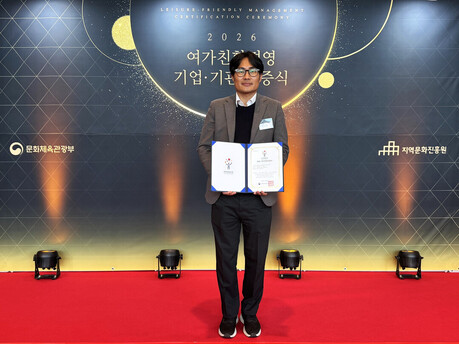
  • Chungnam Culture & Tourism Foundation Secures Leisure-Friendly Recertification from South Korea's Ministry of Culture
  • Andong Rebounds: JEO Food Launches State-of-the-Art Facility 595 Days After Wildfire
  • Gyeongsangbuk-do Pushes to Transform Yeongilman Port into Strategic Material and Eco-Friendly Energy Hub
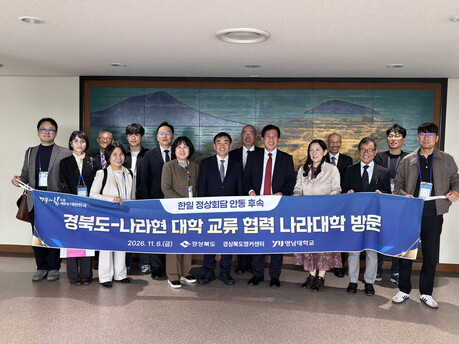
  • Gyeongbuk Province and Nara Prefecture Launch Permanent Academic Partnership
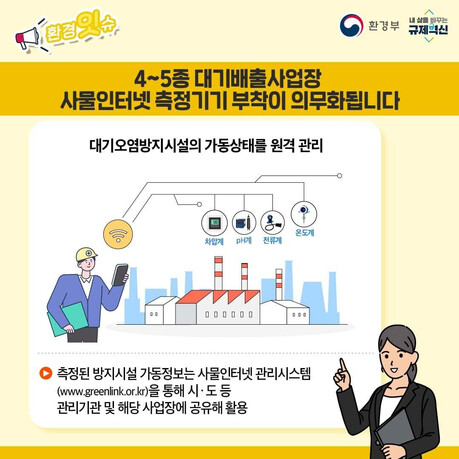
  • Chungnam Urges Class 4 & 5 Facilities to Install IoT Monitors by Year-End, Offering Subsidies

Most Viewed

1
Why Can't We Use 'Muse' in Korea?… Zuckerberg Says, "Due to a Lack of Data Centers"
2
US Army Conducts Rare Temporary Burial Drills to Prepare for Worst-Case Large-Scale War Scenarios
3
World Citizens are Flying Directly to Busan... The Era of 4 Million Foreigners is Just Around the Corner
4
Eating 100g of Baechu Kimchi Daily Linked to Lower High-Cholesterol Risks
5
November Shopping Festival Sparks Retail War in South Korea: Where to Find the Best Deals
체리가든 스토리
nutri huevos
로타리
동포저널

Hot Issue

Nvidia Faces Governance Scrutiny as CEO Jensen Huang Admits to Affair Linked to Security Probe 

Police investigating "Air Force One" personal info leak: "Investigating how it was uploaded"

Calls for Reform After Systemic Pressure and Bullying Uncovered at Naju Middle School

Fashion Runway Show 2026

Let’s recycle the old blankets in Jeju Island’s closet instead of incinerating them.

Global Economic Times
korocamia@naver.com
CEO : LEE YEON-SIL
Publisher : KO YONG-CHUL
Registration number : Seoul, A55681
Registration Date : 2024-10-24
Youth Protection Manager: KO YONG-CHUL
Singapore Headquarters
5A Woodlands Road #11-34 The Tennery. S'677728
Korean Branch
Phone : +82(0)10 4724 5264
#304, 6 Nonhyeon-ro 111-gil, Gangnam-gu, Seoul
Copyright © Global Economic Times All Rights Reserved
  • News K
  • 반달곰 프로젝트
  • 광고문의
Search
Category
  • All articles
  • Synthesis
  • World
  • Business
  • Industry
  • ICT
  • Distribution Economy
  • Well+Being 
    • 전체
    • Pet Life
    • Halal Horizon
  • Travel
  • Eco-News
  • Education
  • Korean Wave News
  • Opinion
  • Arts&Culture
  • Sports
  • People & Life 
    • 전체
    • International Student Report
    • With Ambassador
  • Column 
    • 전체
    • Cho Kijo Column
    • Cherry Garden Story
    • Ko Yong-chul Column
    • Kim Bong-seon's Photo Column
    • Kim Seul-Ong Column
    • Lee Yeon-sil Column
  • Photo News
  • New Book Guide
  • Overseas Koreans
  • Multicultural News