

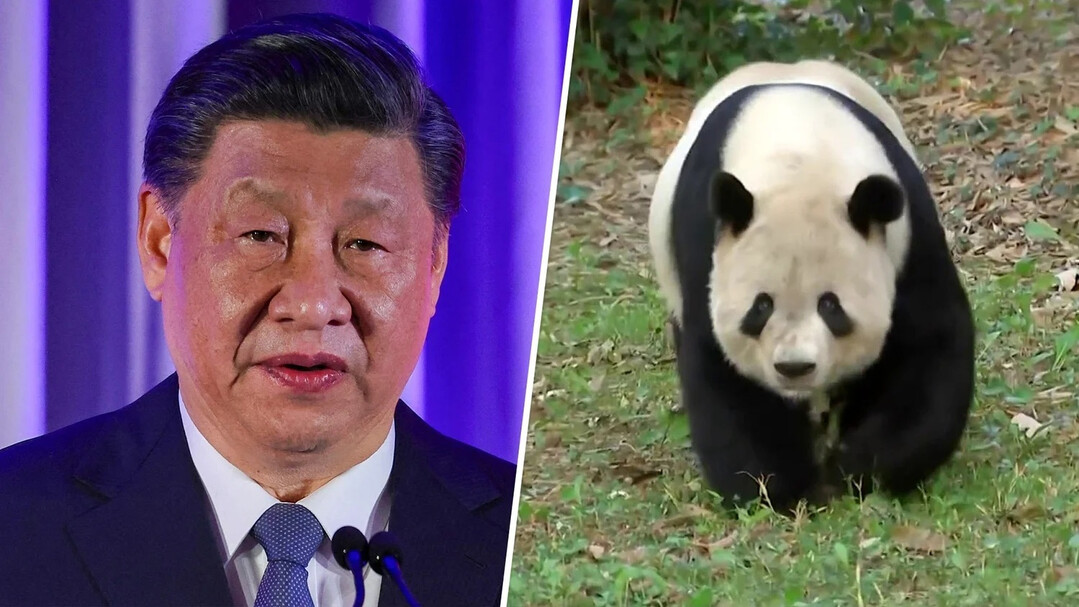
SEOUL — In a landmark meeting in Shenzhen, South Korean President Lee Jae-myung proposed introducing a new pair of giant pandas to South Korea during a summit with Chinese President Xi Jinping on November 18. The initiative aims to foster greater bilateral goodwill, with President Xi expressing positive alignment, signaling a potential new chapter in China's hallmark "panda diplomacy." The leaders also agreed to expand cultural and content collaboration, including joint film projects, which is expected to accelerate the phased relaxation of China's unofficial restrictions on South Korean cultural imports, known as the Hallyu ban.
According to a written briefing by Wi Sung-lac, Director of the National Security Office, following the summit at the Qilinshan State Guest House, the two leaders met for the third time—following previous meetings in Gyeongju last November and Beijing this January. Beyond merely restoring bilateral ties to normal, the two heads of state reached a consensus to deepen practical, comprehensive cooperation.
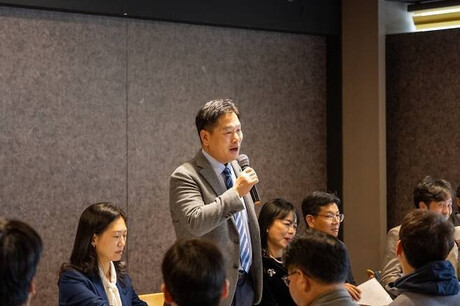
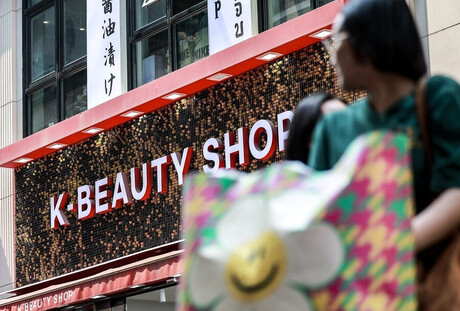
President Lee proposed a phased expansion of cultural and content exchanges, taking into account regional differences within China and varying degrees of sectoral receptivity. President Xi responded favorably, stating, "Let us progressively advance positive and beneficial cultural exchanges." As a concrete measure, the leaders agreed to promote co-productions in the film industry.
President Lee also emphasized the expansion of people-to-people exchanges. With bilateral exchanges projected to surpass 10 million this year, he suggested maintaining current immigration facilitation measures to help restore traveler numbers to the 2013 million peak recorded in 2016 before the THAAD (Terminal High Altitude Area Defense) diplomatic fallout.
The proposal to bring an additional pair of pandas to South Korea was framed as part of this effort to restore public affection and mutual goodwill. China has historically utilized "panda diplomacy" to strengthen bilateral bonds with friendly nations. South Korea previously welcomed Le Bao and Ai Bao in 2016, and their locally born cub, Fu Bao, became a national sensation before returning to China in 2024 under bilateral agreements. Twin pandas Rui Bao and Hui Bao, born in 2023, are also scheduled to return to China in due course.
On the economic front, the bilateral Free Trade Agreement (FTA) service and investment negotiations—which began in 2018—were successfully concluded after eight years, establishing a solid foundation for expanded mutual market entry by businesses from both nations. President Lee stressed the importance of developing a horizontal, reciprocal cooperative relationship centering on areas of comparative advantage while respecting each other's core concerns. President Xi concurred, emphasizing the need to solidify political trust and expand mutually beneficial economic cooperation following the conclusion of the FTA follow-up negotiations.
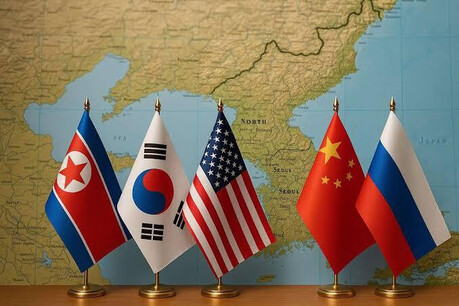
Regarding the Korean Peninsula, the leaders reaffirmed China's constructive role. President Lee remarked, "Peace and stability on the Korean Peninsula serve our mutual interests, and I hope we can work together to open an era of peaceful coexistence." He underscored that Peninsula issues represent vital national interests for South Korea and urged China's continued constructive engagement.
President Xi commended the South Korean government's efforts to ease inter-Korean tensions and pledged that Beijing would maintain its constructive role in resolving Peninsula issues. He shared insights into recent North-North-China diplomatic trends and expressed support for various initiatives aimed at reducing tensions on the peninsula, including renewed U.S.-North Korea dialogue.
Additionally, President Lee requested joint efforts for a fundamental resolution regarding Yellow Sea boundary concerns, the protection of South Korean citizens' rights and interests in China, and continued Chinese cooperation in preserving and managing historic sites related to the Korean independence movement.
President Xi agreed with President Lee's constructive proposals, stressing that maintaining the momentum of public goodwill is essential to anchoring a robust foundation for future bilateral relations.
[Copyright (c) Global Economic Times. All Rights Reserved.]