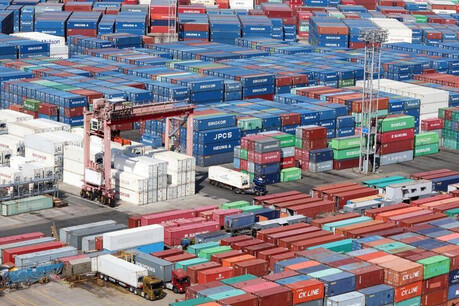
The International Monetary Fund (IMF) has projected South Korea’s annual economic growth to approach 4%, forecasting a 3.9% expansion for the year. This marks a 0.6 percentage point upward revision from its forecast a month prior (3.3%), positioning it among the highest predictions compiled by major global and domestic organizations, including the OECD and the Bank of Korea (BOK).
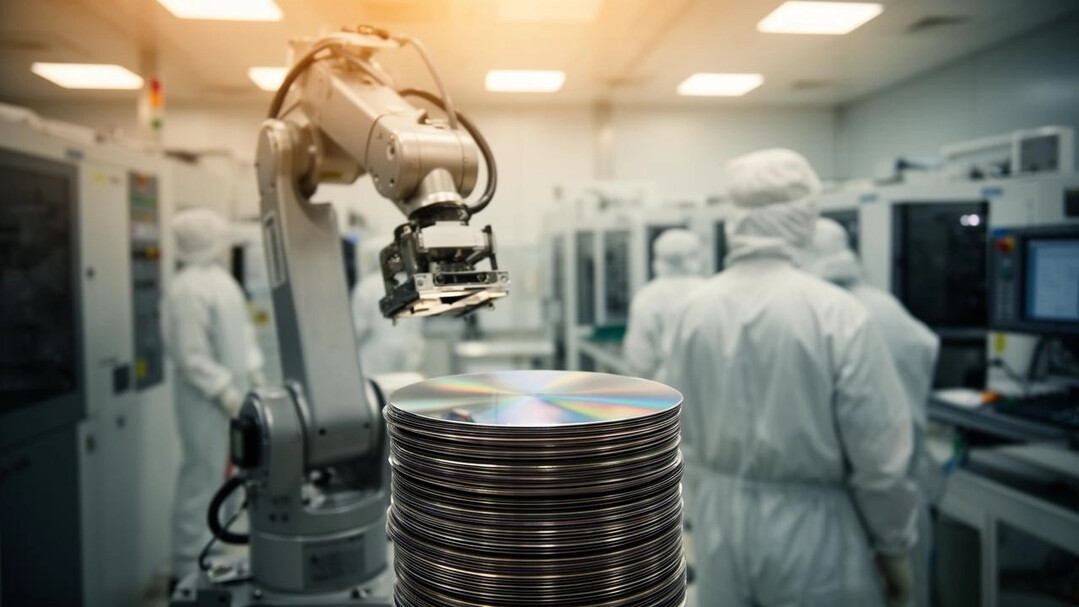
Attributing the upward revision to an AI-driven semiconductor export boom alongside rebounding investments and consumer spending, the IMF recommended a slightly tighter fiscal operation and additional monetary tightening to address high growth and inflationary pressures.
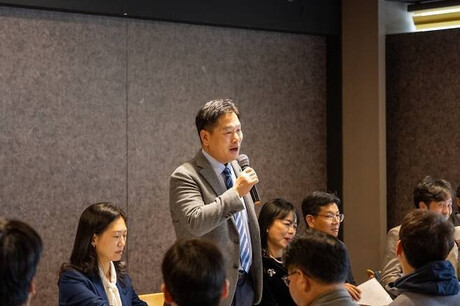
Corinne Deléchat, head of the IMF’s Korea mission, stated during a briefing on the "2026 Korea Article IV Consultation Results" held at the Government Seoul Complex on the 17th, "South Korea’s real GDP growth is projected to rise from 1.1% last year to 3.9% this year, buoyed by a surge in high-tech exports, a rebound in investment, and robust consumption." She added, "Next year, income growth from the high-tech sector is expected to spill over into consumption, while AI-driven transition investments accelerate, maintaining a solid growth trajectory of 3.3%." It is highly unusual for the IMF to revise its growth forecast during an Article IV consultation rather than its regular World Economic Outlook releases.
Deléchat noted that factoring in large-scale investments in AI facilities, machinery, and data centers could potentially raise South Korea's medium-term potential growth rate from the 2% range up to 2.5%. She also pointed out that productivity gains stemming from AI adoption and diffusion have not yet been factored in, hinting at further room for economic upside.
This growth upgrade also reflects stronger-than-expected third-quarter economic results. Explaining that prior forecasts were made before Q3 data became available, Deléchat cited strong semiconductor exports and expanded public investments as key upward revision factors. Following the IMF's World Economic Outlook release on October 13th, South Korea's Q3 growth came in at 1.0% quarter-on-quarter, significantly surpassing the Bank of Korea's projection of 0.3%. Other forecasting institutions are widely expected to upwardly adjust their figures as well. With both the BOK (3.3%) and the Korea Development Institute (KDI, 3.2%) relying on figures from August, KDI was scheduled to release its second-half economic outlook on the 18th, followed by the BOK's revised forecast on the 26th. Deléchat remarked that other organizations would likely revise their forecasts in the near future.
Growing Disparities Amid the Semiconductor Boom
Despite the semiconductor-led boom, disparities across industries, regions, and income brackets remain a central concern. According to an analysis by a task force (TF) on economic polarization launched by the government under Deputy Prime Minister Lee Hyung-il on the 11th, last year's wages for non-regular workers stood at only 61.1% of those of regular workers at large corporations. Furthermore, the net asset gap between households aged 60 and older and those in their 30s widened from 1.47 times in 2020 to 2.14 times last year. The IMF echoed these concerns, noting that "the fruits of growth are heavily concentrated in the high-tech sector," and urged policymakers to bridge regional imbalances and productivity gaps between firms and workers.
Shift in Macroeconomic Policy Recommendations
The IMF’s macroeconomic policy advice marked a departure from tone a year prior. While last year's consultation recommended focusing on fiscal consolidation once the economy recovered to potential levels, this year's assessment concluded that the economy is already operating above its potential. The IMF projects inflation at 2.7% this year and 2.3% next year, stating that "additional monetary tightening is appropriate." Regarding fiscal policy, it noted that while targeted support for vulnerable households and businesses must continue, "operating a somewhat restrictive stance will help curb aggregate demand pressures."
On the government's push to establish a future response fund, the IMF offered a positive evaluation. It deemed the mechanism "useful" as a buffer to reserve surplus tax revenues generated by the semiconductor boom and deploy them when revenues decline. While noting that the assessment was theoretical rather than tied to specific projects since detailed designs are not yet finalized, the IMF cautioned that "if revenue sources for the fund are volatile while expenditures are permanent or fixed, it could become a risk factor."
To sustain the benefits of the AI-driven boom, the IMF stressed the need for structural reforms, including raising labor force participation rates, narrowing wage gaps across employment types, and expanding social safety nets. It emphasized that fostering growth hubs outside the capital region and broadly diffusing AI technologies are crucial to ensuring that the rewards of growth are shared equitably across the entire economy.
[Copyright (c) Global Economic Times. All Rights Reserved.]