![[등록] 2026-09-01 15:48:31](/support/_updata/banner2/tl181982910_6749.png)


(C) Caspian Post.com
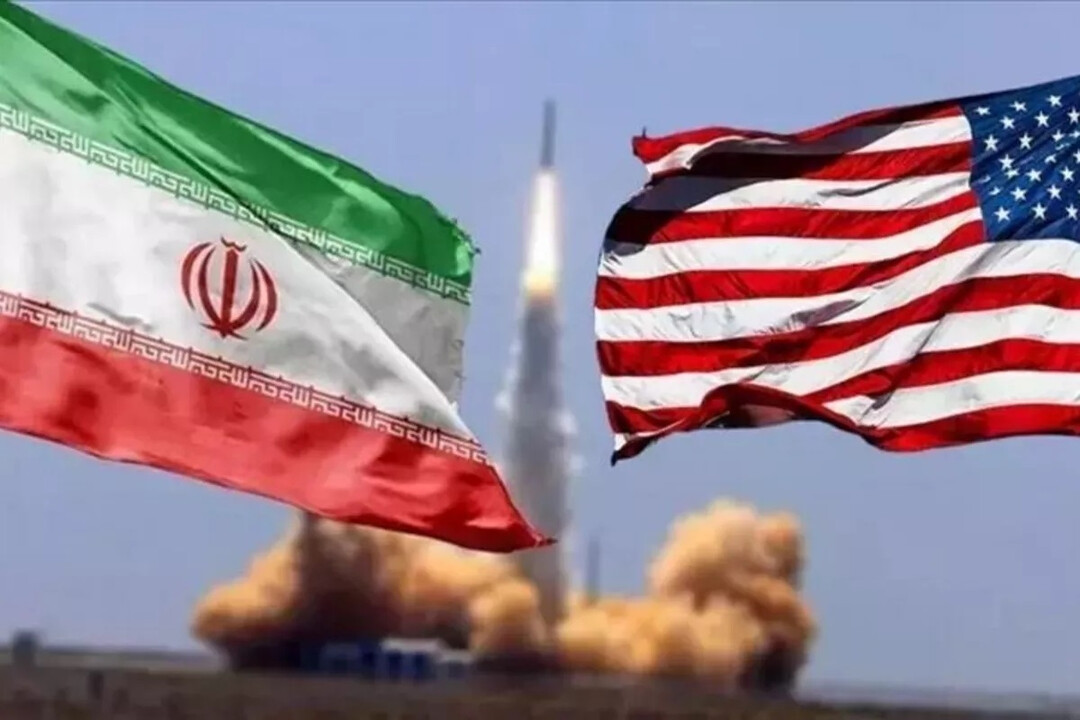
As military tensions between Washington and Tehran reach a fever pitch, the specter of a direct U.S. military intervention hangs over the Middle East. With the largest concentration of American airpower in the region since the 2003 invasion of Iraq, analysts and global markets are bracing for a spectrum of outcomes—ranging from a democratic transition to a catastrophic collapse of global energy security.
The current deadlock in nuclear negotiations, coupled with the buildup of the USS Abraham Lincoln Carrier Strike Group near Iranian waters, suggests that "surgical strikes" may no longer be a mere deterrent but an imminent reality.
The "Surgical" Gamble: Regime Change or Chaos?
The most optimistic scenario entertained by some in the West is a precision campaign targeting the Islamic Revolutionary Guard Corps (IRGC), ballistic missile hubs, and nuclear facilities. Proponents argue that a weakened clerical establishment could collapse, giving way to a pro-Western democracy.
However, historical precedents in Iraq and Libya cast a long shadow over this theory. While military intervention successfully toppled dictators in those nations, it simultaneously birthed power vacuums, years of sectarian bloodshed, and failed states. Experts warn that a strike intended to "liberate" Iran could instead trigger a "Syria-style" civil war, displacing millions and destabilizing neighbors like Qatar and Saudi Arabia.
The 'Venezuela Model' and the Rise of a Military Junta
A second possibility, dubbed the "Venezuela Model," suggests a scenario where the regime survives the initial onslaught but is forced to capitulate to U.S. demands. This would involve a drastic scale-back of Iran's regional proxy networks, the cessation of its missile programs, and a softening of domestic crackdowns.
Yet, given the IRGC’s deep-rooted control over the Iranian economy and its history of ideological resilience, a more likely internal shift would be the transition to a military-led government. If the clerical leadership falls, the IRGC—which remains the most organized and armed entity in the country—could seize total control to maintain order, potentially replacing a theocracy with a rigid military junta.
Asymmetric Retaliation: The Economic Time Bomb
Iran’s "retaliation options" remain the most significant variable for the global economy. Tehran has long signaled that any attack on its soil would result in the closure of the Strait of Hormuz, a vital chokepoint through which 20% of the world’s oil passes.
Naval Asymmetry: Iran is expected to utilize "swarm tactics," deploying high-speed torpedo boats and explosive-laden drones to overwhelm sophisticated U.S. naval assets.
Regional Infrastructure: Gulf nations, particularly the UAE and Saudi Arabia, fear they will become collateral damage. Both nations have already signaled they may deny the U.S. use of their airspace to avoid Iranian missile strikes on their critical infrastructure.
Mine Warfare: The deployment of sea mines in the Persian Gulf, a tactic used during the Iran-Iraq War, remains a potent threat that could paralyze international shipping for months.
A Region in Fear
While many Middle Eastern capitals would privately welcome the clipping of Iran's wings, the reality of a humanitarian crisis and a regional refugee wave is a nightmare scenario for the Gulf Cooperation Council (GCC). The prospect of Iran’s ethnic minorities—including Kurds, Baluchis, and Azerbaijanis—engaging in separatist conflicts further complicates the "day after" military strikes.
As the clock ticks and the carrier strike groups remain on high alert, the world watches to see if the U.S. will opt for a limited "surgical" correction or if the region is about to enter its most volatile chapter in decades.
[Copyright (c) Global Economic Times. All Rights Reserved.]