![[등록] 2026-09-01 15:48:31](/support/_updata/banner2/tl181982910_6749.png)


(C) Youtube
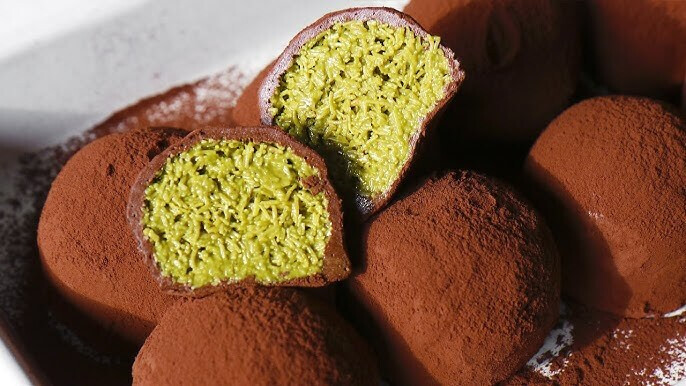
SEOUL — “Have you tried ‘Dujjonku’ (Dubai Sticky Cookie) yet?” This has become the ultimate small-talk icebreaker in Korea. Despite not actually originating from Dubai, this pistachio-spread and kataifi-filled dessert has paralyzed the retail scene. From blood donation centers using it as a "gift" to major franchises like Starbucks jumping on the bandwagon, the cookie has transcended being a mere snack—it is now a "social attendance check."
The Cycle of Conformity South Korea is no stranger to these feverish cycles. We saw it with Taiwan Castella, Honey Butter Chips, and Tanghulu. The pattern is predictable: a viral explosion on SNS, hours-long "open runs," and eventually, the quiet struggle of self-employed owners who joined the trend too late.
Why are Koreans so "diligent" in following trends? Experts point to FOMO (Fear of Missing Out). In a high-density, hyper-connected society, participation in a trend is often a survival instinct to avoid being "dropped" from the group. Ironically, as individualism grows and "eating alone" becomes the norm, our tastes remain strangely collective—replicated by influencers rather than discovered by ourselves.
The Power of 'Not Choosing' In contrast, "Slow Trend Consumption" is gaining traction in Northern Europe. There, waiting for a trend to cool down before deciding to engage is seen as a mark of rational, mature consumption. Similarly, the "tech boys" of Silicon Valley wear the same T-shirts not to lack personality, but to reclaim the mental energy spent on constant social validation.
True taste requires the "freedom not to choose." It takes courage to ignore the viral wave and head to a quiet, local bakery for a simple red bean bread instead. As the movie The Secret Life of Walter Mitty suggests, "Beautiful things don't ask for attention." Perhaps it is time we stop chasing the "Dubai" label and start finding what we truly love, away from the digital noise.
[Copyright (c) Global Economic Times. All Rights Reserved.]