![[등록] 2026-09-01 15:48:31](/support/_updata/banner2/tl181982910_6749.png)


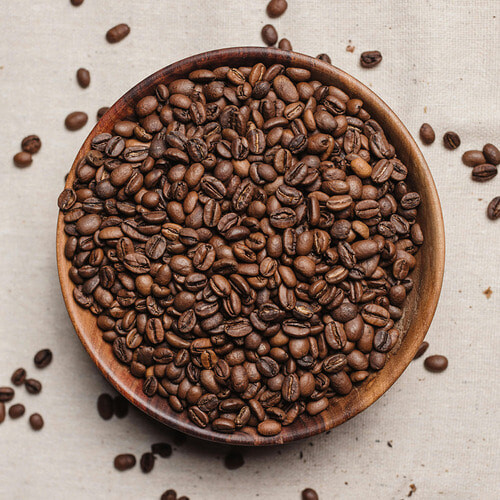
NEW YORK — The aroma of freshly brewed coffee, once a simple comfort, now carries the scent of economic turbulence for millions of Americans. Coffee prices in the United States have reached their highest level in 28 years, a sharp increase attributed to a perfect storm of climate-related harvest failures and new trade policies. This surge is creating a significant burden on both consumers and the food industry, forcing a re-evaluation of supply chains and a search for alternative sourcing.
According to an analysis by the Financial Times, the coffee consumer price index (CPI) rose by a staggering 21% over the past year, marking the steepest increase since 1997. The price of ground coffee sold in U.S. grocery stores has hit an all-time high, reaching $8.87 per pound. This price escalation is not just a statistical anomaly; it is a direct consequence of a complex interplay of global supply dynamics and a recent U.S. tariff policy.
The United States, a nation of avid coffee drinkers, is heavily dependent on imports to satisfy its demand. However, major coffee-producing nations have experienced poor harvests over the last year, leading to a significant contraction in global supply. This has driven international coffee prices to historic highs. The situation was further exacerbated when the Trump administration announced a 50% tariff on coffee imports from Brazil in July. Brazil is the world's largest producer of high-quality Arabica coffee and has historically supplied nearly one-third of the beans consumed in the U.S.
Data from the shipping intelligence service Vison reveals the immediate impact of the new tariff. Since the beginning of the year, shipments of Brazilian coffee to the U.S. have been cut in half, with an alarming 75% drop in August compared to the same period last year. The shortfall from Brazil has been difficult to compensate for, as other key producers like Vietnam and Colombia have been unable to fill the void.
While existing inventories have provided a temporary cushion, experts warn that this relief is short-lived. "If Americans continue to consume coffee as usual, there's a limit to what inventory can do," said Thijs Heyn, a senior economist for food and agriculture at ING. "Additional shipments are absolutely necessary, but the question is, where will that volume come from?"
The core of the supply problem lies in unpredictable weather patterns, a side effect of global climate change. In both Brazil and Vietnam, the two dominant forces in the coffee market, erratic weather has severely impacted harvests. Brazil, which leads the Arabica market, and Vietnam, the top producer of the lower-priced Robusta beans used in instant coffee, have both experienced crop failures. This dual blow has significantly reduced global supply, sending coffee futures prices on an upward trajectory even before the new tariffs were implemented.
The American grocery industry has been vocal in its opposition to the tariffs, lobbying the government for exemptions on products that cannot be produced domestically at a low cost. Their efforts may be bearing fruit. Last week, the White House released a list of items, including coffee, that could see reduced tariffs under new trade agreements with exporting countries. This move signals a potential shift in policy aimed at easing the financial strain on consumers and businesses.
In a broader economic context, the rise in coffee prices is part of a larger trend of increasing consumer costs. The U.S. Bureau of Labor Statistics (BLS) reported that the overall U.S. consumer price index rose by 2.9% year-on-year in August, the largest increase since January. This was supported by a 0.6% increase in the price of food at home in July, a reversal from the 0.1% decline observed between June and July. The climb in coffee prices is thus a microcosm of wider inflationary pressures facing the American economy.
As coffee shops and grocery stores grapple with the rising costs, consumers are left to weigh their options. Will they pay a premium for their daily brew, switch to more affordable alternatives, or simply cut back? The coming months will likely reveal how this confluence of geopolitical and environmental factors reshapes one of the world's most beloved daily rituals.
[Copyright (c) Global Economic Times. All Rights Reserved.]