TEHRAN — Grappling with acute energy shortages compounded by prolonged conflict and economic strain, the Iranian government has introduced nationwide power rationing and launched a high-profile conservation campaign led by its top officials.
In a state-broadcast video aimed at encouraging public austerity, Iranian President Masoud Pezeshkian was seen working in an unheated, dimly lit office wearing a winter coat. With overhead lights switched off and a desk thermometer showing 18.8°C, Pezeshkian relied solely on a single desk lamp, noting that full lighting was unnecessary and warning that government staff would be consolidated into smaller spaces if conditions worsen.
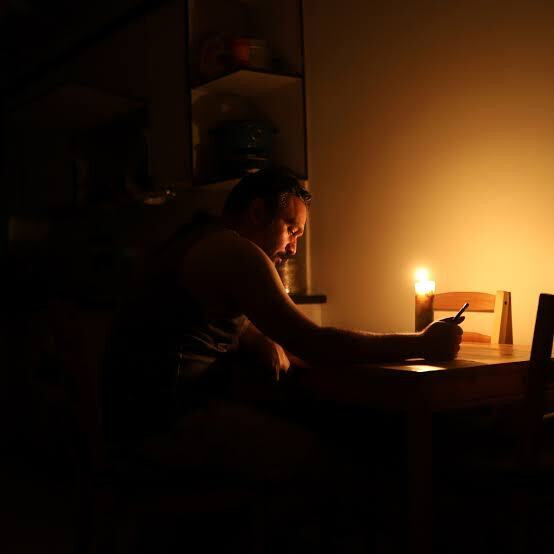
The symbolic gesture coincided with the rollout of scheduled power cuts by Tavanir, Iran’s state-owned utility company. Effective immediately, residential and commercial sectors across the country face two-hour rolling blackouts between 10:00 a.m. and 2:00 p.m. on a daily or alternate-day basis, though critical infrastructure like hospitals and food distribution centers remain exempt. Tavanir CEO Mohammad Allahdad attributed the rationing to declining natural gas output compared to the previous year, which has severely strained electricity generation.
The outages have already disrupted daily life, knocking out internet connectivity and municipal water systems in several regions, including schools in cities like Mashhad.
Iran’s energy grid has struggled to recover since key infrastructure sustained heavy damage during the conflict in February. As winter temperatures drive up heating demand, the widening gap between supply and consumption has become a pressing political concern. Parliament Speaker Mohammad Ghalibaf called energy consumption reform the country's top priority, as authorities seek to prevent a repeat of last winter's widespread anti-government demonstrations.
Meanwhile, economic frustrations are boiling over into labor unrest. Truck drivers nationwide have initiated a coordinated strike, with their national association citing years of runaway inflation and poor working conditions as the tipping point for the walkout.
[Copyright (c) Global Economic Times. All Rights Reserved.]