As meteorological forecasts warn of a severe El Niño event set to drive temperatures to record highs this December, animal welfare advocates and veterinary professionals are urging pet owners to rethink their summer care routines.
Unlike humans, companion animals cannot cool themselves efficiently through sweating. Dogs rely primarily on panting and releasing heat through their paw pads, while cats instinctively lower their activity levels to conserve energy. Applying human cooling logic—such as simply pointing an electric fan at a dog—often fails to lower their core body temperature and can leave them dangerously exposed to heatstroke.
To keep pets safe during extreme heatwaves, experts recommend adopting the following preventative measures:
Upgrade Hydration Habits
Animals typically wait until they are already dehydrated before seeking water. Owners should place multiple water bowls in shaded indoor and outdoor areas, refreshing them frequently so the water never warms up in the sun. Adding ice cubes or floating pet-safe treats like cucumber slices and blueberries can entice reluctant drinkers. Incorporating wet food into daily meals is another effective way to boost overall fluid intake.
Rethink Walk Times and Test the Pavement
Midday asphalt absorbs intense solar heat and can severely blister a dog’s unprotected paw pads within seconds. Before stepping outside, press the back of your hand firmly against the ground for a full 20 seconds; if the surface is too hot for your skin, it is unsafe for your pet. Shift walks and exercise strictly to early mornings or after sunset. When walking near trails or dense brush, keep dogs on a leash to prevent encounters with heat-seeking snakes, and always carry fresh water.
Avoid Shaving Double Coats and Skip Festive Outfits
While trimming a thick coat might seem helpful, shaving double-coated breeds such as Huskies or Malamutes destroys the natural insulation that protects them from both heat and sunburn. Light-colored animals with exposed skin on their noses are particularly prone to sunburn and require shaded indoor rest. Additionally, experts advise against dressing pets in holiday costumes or novelty apparel, as extra layers trap dangerous amounts of body heat.
Cool from the Ground Up and Engage Minds Indoors
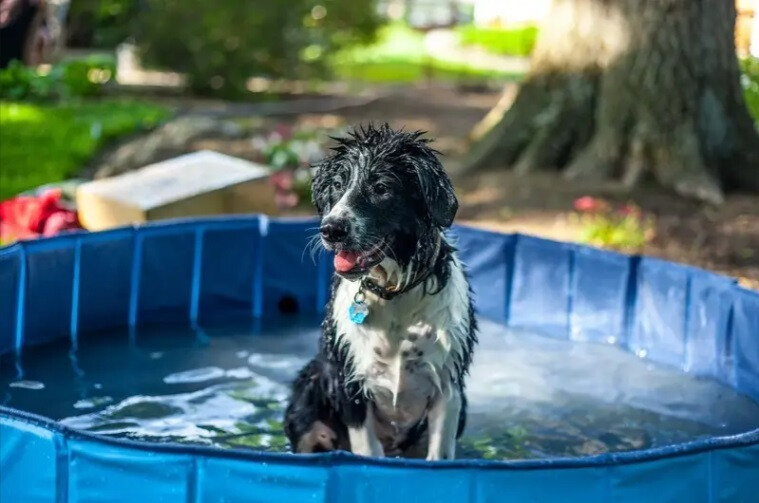
Because dogs regulate heat through their paws, laying a damp, frozen towel on the floor or setting up a shallow plastic wading pool offers far better relief than a standard fan. To prevent boredom without physical overexertion, swap outdoor fetch for frozen enrichment toys—such as layering plain Greek yogurt, kibble, water, and chopped vegetables in a container and freezing it for hours of cooling mental stimulation. While slightly reduced activity is normal in hot weather, an abrupt loss of appetite should never be dismissed and warrants a veterinary checkup.
Protect Vulnerable Pets and Watch for Warning Signs
Flat-faced (brachycephalic) breeds like Pugs, Bulldogs, and Pekingese have compromised airways that make panting inefficient, meaning they must be kept indoors in climate-controlled spaces. Very young puppies also struggle to regulate their body temperature. Never tether dogs outdoors where shifting shadows can leave them exposed to direct sunlight, avoid heat-trapping plastic kennels, and never leave an animal inside a parked vehicle, even for a minute.
Pet owners should stay alert for early indicators of heat exhaustion, including rapid, shallow panting, heavy drooling, lethargy, vomiting, or sudden behavioral changes in cats. If overheating is suspected, immediately move the animal to a cool, well-ventilated room, gently apply cool water to their paws and coat, and contact a veterinarian without delay.
[Copyright (c) Global Economic Times. All Rights Reserved.]