Kakao has developed 'Kanana-o', an on-device multimodal artificial intelligence (AI) model that can run directly on devices such as smartphones. It is expected to be applied to key KakaoTalk AI services, including 'Kanana Space'. Following its vision encoder, Kakao plans to release its audio encoder within the year. Attention is focused on whether Kakao will accelerate the era of multimodal AI where users can input via voice and understand via images, moving beyond text.
According to the industry on the 25th, Kakao is continuing its work on developing and advancing the on-device Kanana-o model. Kanana-o is an omni-model that processes text, images, and voice. Kakao has already secured a version of this model capable of running within smartphones.
The technology of the on-device Kanana-o is expected to be applied in the long term to Kakao's AI services such as Kanana Space. Kanana Space is an AI service where swiping down with two fingers on the KakaoTalk screen brings up the character 'Ryan' to receive user requests through voice and text. Kakao plans to launch a closed beta test (CBT) this coming December.
Initially, Kakao will operate server-based models for the launch of the Kanana Space service. However, in the long term, the company plans to increase efficiency by applying on-device models so that simple tasks are handled directly within the smartphone while complex tasks are handled by frontier models.
In particular, on-device AI runs AI models directly on devices like smartphones, which can lower server dependency and increase response speeds. It is also advantageous for privacy and security by reducing the scope of user information transmitted to external servers.
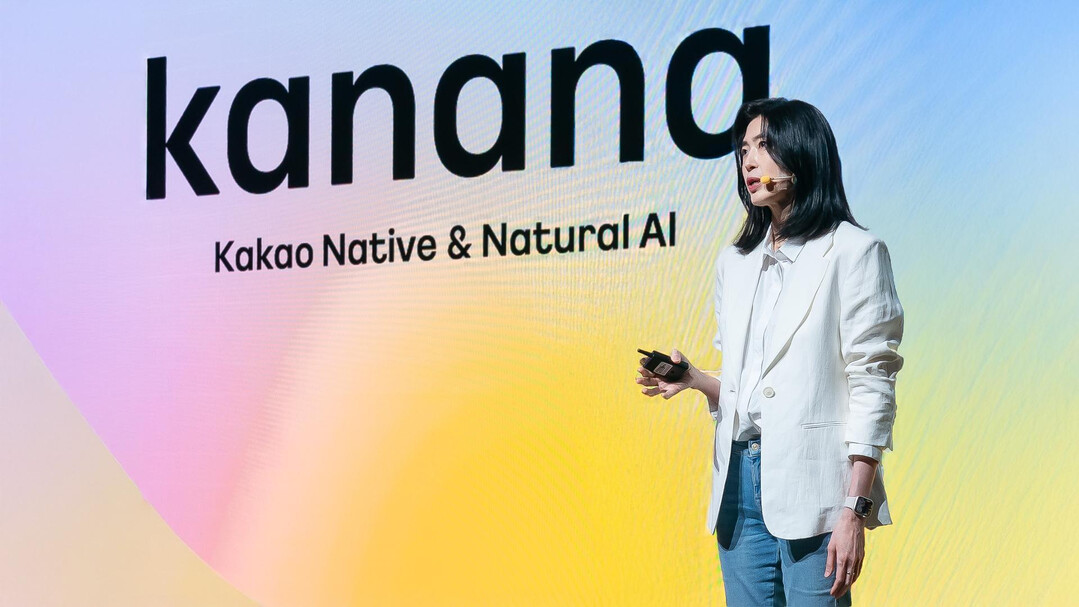
Noh Byung-seok, performance leader for Kakao's Unified Foundation Model, explained at the "if(kakao)26" event held on the 13th, "Requests that can be processed on the terminal are handled first on the user's smartphone before being sent to the server. This provides fast responses and reduces the scope of sensitive information transmitted externally."
Kakao plans to strengthen its multimodal competitiveness by continuously developing AI models and the encoders that support them. On the 21st, Kakao open-sourced its proprietary vision encoder. Furthermore, it plans to release its speech encoder as open source within the year. The initiative aims to support technology utilization and service development by domestic and international researchers and companies based on its self-developed AI models and core technologies like the vision encoder.
A Kakao official stated, "Moving forward, we will continue to enhance both model performance and efficiency based on our understanding of the Korean language and user context, advance the foundational technology for AI agent services, and consistently share our research outcomes."
[Copyright (c) Global Economic Times. All Rights Reserved.]