![[등록] 2026-09-01 15:48:31](/support/_updata/banner2/tl181982910_6749.png)


SEOUL — Following nearly two months of a relentless upward rally that has severely strained the pockets of Korean drivers, domestic pump prices for both gasoline and diesel have finally turned downward, marking the first weekly decline in eight weeks.
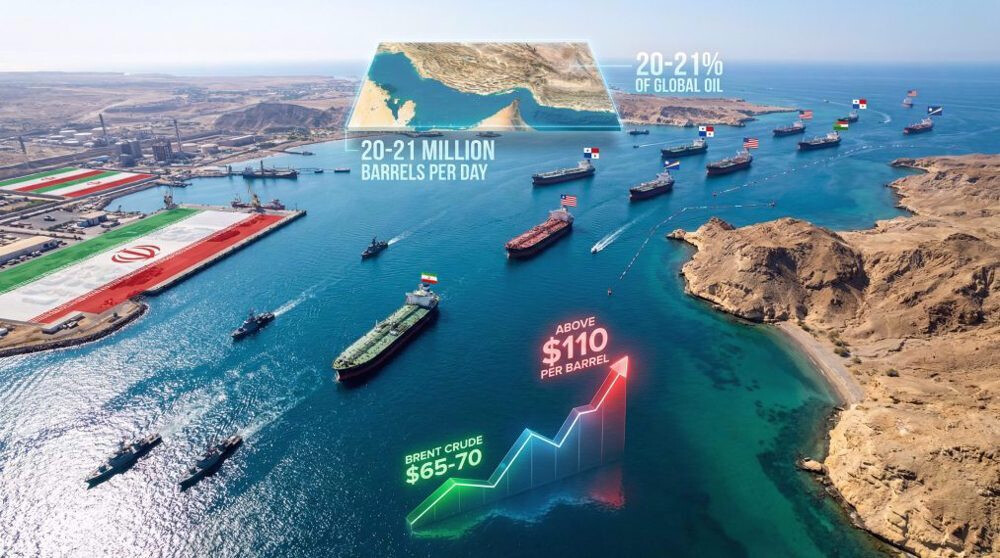
The minor retreat in retail fuel costs comes on the heels of major geopolitical shifts halfway across the globe. Reports that peace negotiations between the United States and Iran are making tangible progress have effectively cooled down what was previously a boiling international crude market.
According to data released on Saturday, May 23, by Opinet, the oil price information service operated by the state-run Korea National Oil Corporation (KNOC), the average retail price of regular gasoline at gas stations nationwide during the third week of May (May 17–21) stood at 2,011.3 won per liter. This represents a modest decrease of 0.4 won compared to the preceding week.
Regional Disparities and Brand-Specific Pricing
A closer look at the geographical data reveals that energy costs remain heavily dependent on location, with Seoul maintaining its reputation as the most expensive zone in the country.
The Highest Costs: Retail gasoline in the capital city of Seoul averaged 2,051.4 won per liter, down a fractional 0.4 won from the previous week, yet remaining comfortably above the national average due to higher land values and operating costs.
The Most Affordable: Conversely, motorists in the southeastern city of Daegu enjoyed the lowest prices in the nation, where the average gasoline price shed 1.4 won to settle at 1,994.4 won per liter, dipping below the psychologically significant 2,000-won threshold.
When broken down by gas station brands, corporate-backed premium stations sat at the top of the pricing tier, while government-subsidized options offered relief at the bottom:
Meanwhile, diesel consumers also saw a slight easing of their financial burdens. The nationwide average price for automotive diesel dropped by 0.3 won over the same period, landing at 2,005.9 won per liter, indicating a slow but steady stabilization of the market.
Global Markets Tattered Between Conflict and Diplomacy
The trajectory of domestic fuel prices is inextricably linked to global macroeconomic currents. Throughout the week, international oil benchmarks experienced heavy intraday volatility, initialing spiking upward on fears surrounding U.S. President Donald Trump's hawkish rhetoric and potential military posturing against Iran.
However, the momentum shifted dramatically as market anxieties were offset by emerging reports pointing toward a breakthrough in a potential end-of-war agreement between Washington and Tehran.
Despite the late-week stabilization, overall global averages for the week still registered net gains. Dubai crude, which serves as the primary benchmark for South Korea's crude imports due to its heavy reliance on Middle Eastern supplies, closed the weekly trading cycle at $106.3 per barrel, up $1.5 from the prior week.
On the refined product side, international gasoline prices rose by $2.3 to settle at $135.3 per barrel, while international automotive diesel increased by $1.8 to close at $163.1 per barrel.
"Because fluctuations in international oil markets typically take a two- to three-week time lag to mirror onto domestic retail prices at local pumps, we must closely monitor how the recent caps on global price gains will alter domestic oil price trends in the weeks ahead," a representative from the domestic refining industry stated on the condition of anonymity.
Government Steps In: Price Caps Frozen to Protect Consumers
As the cost of living remains a paramount socio-economic issue, the South Korean government has moved aggressively to shield working-class families and small business owners from devastating energy shocks.
In an emergency measure aimed at minimizing consumer distress, economic authorities announced that they will freeze the "6th Petroleum Maximum Price Cap," which officially went into effect on May 22.
Under this emergency regulatory framework, the legal maximum retail prices for domestic petroleum products will remain strictly locked at the following thresholds:
Gasoline Maximum Cap: 1,934 won per liter
Diesel Maximum Cap: 1,923 won per liter
Kerosene Maximum Cap: 1,530 won per liter
This price stabilization measure mirrors the exact limits enforced during the second through fifth price cap iterations, demonstrating the administration's firm resolve to prevent a speculative spiral at local gas stations while global diplomatic efforts play out. Local economists note that while the current market averages still technically sit slightly above these government-mandated baseline ceilings due to lag times and regional anomalies, the freezing of the cap ensures that fuel retailers cannot push costs any higher, effectively placing a hard roof over the heads of vulnerable consumers.
[Copyright (c) Global Economic Times. All Rights Reserved.]