![[등록] 2026-09-01 15:48:31](/support/_updata/banner2/tl181982910_6749.png)


Money is deeply intertwined with our lives. While it is merely a convenient tool and a medium of exchange, it makes many people weep and laugh. The moment the shroud of complexity surrounding "money" is lifted, we can find economic issues truly fascinating. In this column, we examine current economic trends through various money-related stories unfolding in our society.
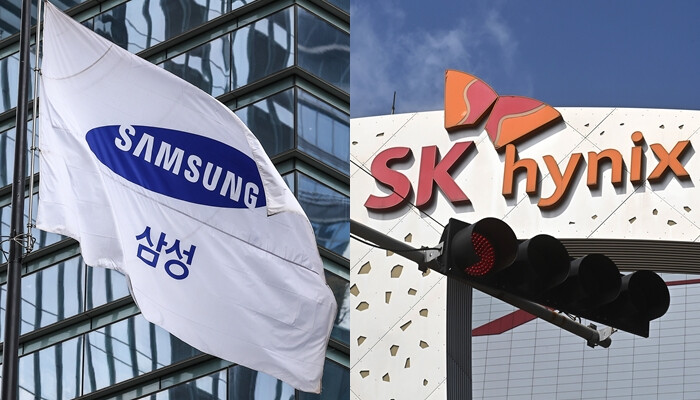
When Samsung Electronics hit its "160,000 won" milestone in late January this year, Kim (35), an acquaintance of mine, hesitated to buy and ultimately missed the window. Four months later, he lamented, "If I had invested even a little back then, the returns would have been substantial. Now, I spend every day staring at the stock charts in deep regret." With brokerages recently pushing Samsung Electronics’ target price as high as 590,000 won, he is once again agonizing over whether to jump in.
Another acquaintance, Park (42), finds himself in a similar predicament. "I thought SK Hynix had soared too high, so I waited for a correction, but it keeps breaking all-time highs day after day," he shared. "I’m left watching from the sidelines without a single share. I’m completely torn between buying in now or waiting out of fear that this might be the absolute peak."
As the semiconductor rally driving the domestic stock market intensifies, retail investors—locally dubbed "ants"—are facing a grueling dilemma. With Wall Street and domestic brokerages projecting target prices of 590,000 won for Samsung Electronics and 4 million won for SK Hynix, a pervasive wave of FOMO (Fear of Missing Out) is rapidly spreading, tempting investors to board what could be the "last train."
Projections Involving Unprecedented Target Prices
Recently, global investment banks (IBs) and domestic brokerages have triggered a domino effect of aggressive target price upgrades for the two tech giants.
Nomura Securities set a jaw-dropping target of 590,000 won for Samsung Electronics and 4 million won for SK Hynix. Nomura forecast that artificial intelligence (AI) infrastructure—spanning conventional memory, High Bandwidth Memory (HBM), power equipment, Energy Storage Systems (ESS), and nuclear energy—will generate sustainable Return on Equity (ROE) over the next five years.
Domestic institutions quickly followed suit. Shinhan Securities raised Samsung Electronics’ target to 550,000 won while doubling its target for SK Hynix to 3.8 million won. Mirae Asset Securities and Korea Investment & Securities also lifted their targets for Samsung Electronics to 480,000 won and a street-high 570,000 won, respectively.
Driven by the relentless AI investment race centered around Nvidia, expectations for a "supercycle" in the memory semiconductor industry have been thoroughly revitalized. Market analysts evaluate that SK Hynix is rapidly accelerating earnings growth based on its dominant leadership in the HBM market. Meanwhile, Samsung Electronics is drawing a massive influx of foreign capital, fueled by expectations of a turnaround in foundry competitiveness and expanded investments in AI memory.
Market Heating Up: Expert Advice vs. Retail Frenzy
The real issue lies within the psychology of retail investors. Online investment communities are currently flooded with conflicting sentiments, with some posting, "Are we never going to see Samsung in the 50,000-won range again?" or "If I don't buy SK Hynix now, I’ll regret it for the rest of my life." Conversely, a strong undercurrent of caution warns, "Chasing the rally after such a massive surge could leave us trapped at the peak."
Indeed, semiconductor stocks have maintained a steep upward trajectory over the past few months. While AI-driven growth expectations are lifting shares, a significant portion of this optimism may already be priced in. Furthermore, macro factors such as the trajectory of U.S. interest rates and risks of a global economic slowdown could trigger sudden volatility.
While broadly agreeing on the long-term growth potential of the sector, financial analysts urge extreme caution regarding short-term overheating. Experts emphasize that target prices merely reflect future earnings expectations and should never be misconstrued as guaranteed destination prices. With retail panic-buying showing signs of speculative overheating, adopting a split-purchase strategy and strict risk management has never been more critical.
[Copyright (c) Global Economic Times. All Rights Reserved.]