• 2026.06.05 (Fri)
  • All articles
  • LOGIN
  • JOIN
Global Economic Times
fashionrunwayshow2026
  • Synthesis
  • World
  • Business
  • Industry
  • ICT
  • Distribution Economy
  • Well+Being
  • Travel
  • Eco-News
  • Education
  • Korean Wave News
  • Opinion
  • Arts&Culture
  • Sports
  • People & Life
    • International Student Report
    • With Ambassador
  • Column
    • Cho Kijo Column
    • Cherry Garden Story
    • Ko Yong-chul Column
    • Kim Seul-Ong Column
    • Lee Yeon-sil Column
  • Photo News
  • New Book Guide
MENU
 
Home > Synthesis

South Korea Passes Landmark Bills: Up to 50x Fine for Ticket Scalping and Tougher Measures Against Illegal Streaming

Hwang Sujin Reporter / Updated : 2025-11-29 11:39:16
  • -
  • +
  • Print


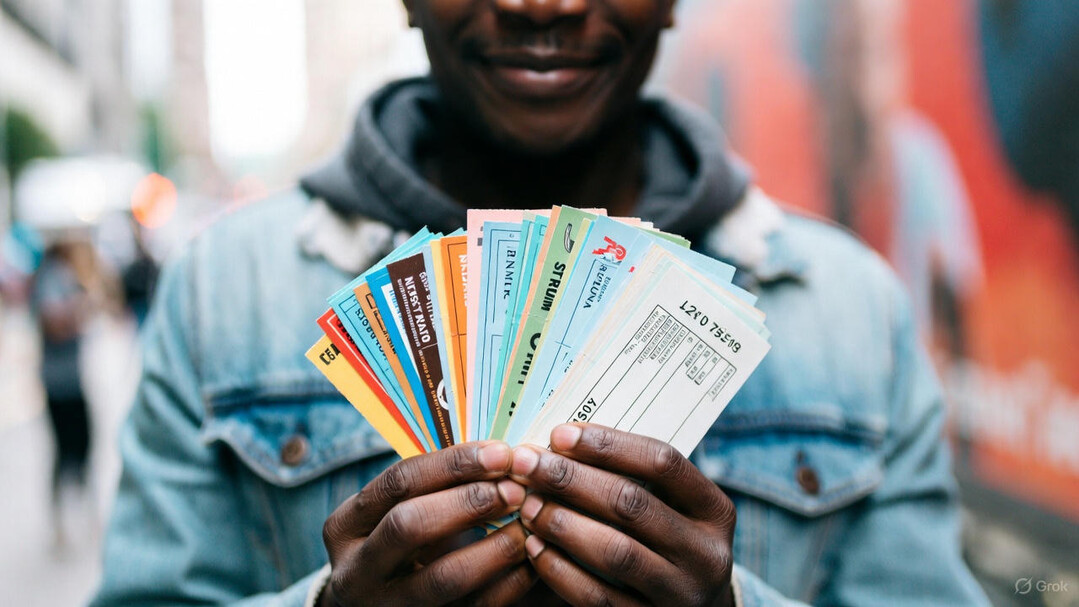
 (C) Grok


SEOUL, South Korea — South Korea’s National Assembly has taken decisive legislative action against widespread digital piracy and pervasive ticket scalping, approving key amendments that introduce punitive fines and strengthen government enforcement powers. On November 28, the National Assembly's Culture, Sports, and Tourism Committee (CSTC) passed several significant bills, including the "Ticket Scalping Prevention Act," which levies fines up to 50 times the original ticket price, and the so-called "Noonoo TV Blocking Act," designed to immediately counter illegal streaming services.

Drastic Fines Approved to Combat Ticket Scalping 

The rising phenomenon of “dark tickets” (암표), where organized individuals or bots buy up tickets for popular events like K-pop concerts, musicals, and major sporting events only to resell them at inflated prices, has long frustrated the public and damaged the culture industry.

To curb this activity, the CSTC approved revisions to the Performance Act and the National Sports Promotion Act. The key provisions of the newly approved legislation include:

Prohibition of Illegal Sales: The amendment strictly prohibits the unauthorized purchase and resale of admission tickets.
Punitive Fines: Individuals engaging in the illicit resale of tickets will be subject to punitive surcharges (과징금) of up to 50 times the original ticket price. This severe financial penalty is intended to eliminate the profit incentive that drives large-scale scalping operations.
Confiscation of Profits: Any profits derived from illegal ticket sales can be confiscated or reclaimed by the state through collection proceedings.
Whistleblower Incentives: The law also includes a provision to incentivize reporting by allowing for rewards to be paid to individuals who report illegal ticket purchasing and selling activities.
This legislative move represents a significant shift from previous, weaker penalties, establishing a truly deterrent measure against professional scalpers who often use sophisticated bots and multiple identities to corner the market.

'Noonoo TV Blocking Act' Targets Digital Piracy 

In parallel with the anti-scalping efforts, the CSTC also passed a critical amendment to the Copyright Act, commonly dubbed the "Noonoo TV Blocking Act," named after a notoriously large-scale illegal streaming site that previously operated with impunity, causing massive losses to content creators.

This amendment significantly enhances the government's ability to combat digital piracy:

Direct Blocking Authority: The Minister of Culture, Sports, and Tourism is now empowered to take immediate action to block access to websites that distribute illegally duplicated materials, including videos, films, and webtoons. This gives the Ministry a quicker, more decisive tool to shut down pirate operations without lengthy court procedures.
Fivefold Punitive Damages: The bill introduces a system of punitive damages for copyright infringement, allowing victims to seek compensation of up to five times the actual damages incurred. This measure moves beyond simple compensatory damages, aiming to severely penalize repeat or malicious infringers and deter corporate piracy.
 Getty Images

A New Era for Content Protection 

The passage of these bills marks a legislative victory for artists, event organizers, and content producers who have suffered substantial financial harm due to rampant illegal activity. While the "Ticket Scalping Prevention Act" aims to restore fair access to cultural events, the "Noonoo TV Blocking Act" provides essential legal firepower to protect the intellectual property that fuels South Korea’s globally influential cultural industry. Both acts signify the government's commitment to creating a fair and secure environment for both consumers and creators.

[Copyright (c) Global Economic Times. All Rights Reserved.]

  • #globaleconomictimes
  • #micorea
  • #mykorea
  • #Lifeplaza
  • #nammidonganews
  • #singaporenewsk
  • #Samsung
  • #Daewoo
  • #Hyosung
  • #A
Hwang Sujin Reporter

Popular articles

  • SK hynix CEO Kwak Noh-jung Meets Bill Gates and Satya Nadella to Solidify AI Memory Alliance

  • Hyundai Mobis Completes Independent EV 'Heart' Lineup: A Major Leap Toward Global Leadership in Power Electric Systems

  • "Singer of Filial Piety" Hyun Sook: "I Visit the Marginalized to Honor My Mother’s Memory"

I like it
Share
  • Facebook
  • X
  • Kakaotalk
  • LINE
  • BAND
  • NAVER
  • https://globaleconomictimes.kr/article/1065580580492999 Copy URL copied.
Comments >

Comments 0

Weekly Hot Issue

  • Samsung Electronics Super-Enterprise Union Loses Majority Status Amid Backlash Over Bonus Disparities
  • Samsung to Embed Vital Signs and Heart Health Scores in Upcoming Galaxy Watch9 Lineup
  • Apple Honors Digital Excellence: 12 Exceptional Apps and Games Celebrated at the 2026 Design Awards
  • Nexon Revamps Signature Youth Coding Competition into AI-Driven 'Nexon Young Programmers Cup'
  • Tech University of Korea Gathers 200 Game and AI Researchers to Discuss Industrial Expansion
  • Major Korean Telcos Trim Online-Exclusive Plans by Up to 50% Amid Shift to Unified Mobile Tariffs

Most Viewed

1
From a moment of collective sacrifice to a moment of collective democracy: The Timing of the Election in Ethiopia and Korea
2
U.S. Holds Off on Immediate Comprehensive Semiconductor Tariffs, but Pressure Mounts for Samsung and SK Hynix to Accelerate Domestic Investments
3
[Interview] "Halal is Not a Religious Regulation, but a 'Trust Infrastructure'… Creating a Premium 'K-Halal' Centered on Data and Platforms"
4
‘600 Million Won Bonus’ at Samsung Electronics Triggers Deep Sense of Relative Deprivation Among Korean Workers
5
Bomb Attack Targets Moving Train in Pakistan: At Least 29 Dead, 102 Injured
광고문의
임시1
임시3
임시2

Hot Issue

Murata Unveils Next-Gen Resin Electrode MLCC for Automotive Applications

Samsung to Embed Vital Signs and Heart Health Scores in Upcoming Galaxy Watch9 Lineup

L&F Plus Secures KRW 220 Billion from National Growth Fund to Anchor South Korea’s First Mass LFP Cathode Production

Samsung Electronics Super-Enterprise Union Loses Majority Status Amid Backlash Over Bonus Disparities

Fashion Runway Show 2026

Global Economic Times
korocamia@naver.com
CEO : LEE YEON-SIL
Publisher : KO YONG-CHUL
Registration number : Seoul, A55681
Registration Date : 2024-10-24
Youth Protection Manager: KO YONG-CHUL
Singapore Headquarters
5A Woodlands Road #11-34 The Tennery. S'677728
Korean Branch
Phone : +82(0)10 4724 5264
#304, 6 Nonhyeon-ro 111-gil, Gangnam-gu, Seoul
Copyright © Global Economic Times All Rights Reserved
  • 에이펙2025
  • APEC2025가이드북TV
  • 반달곰 프로젝트
Search
Category
  • All articles
  • Synthesis
  • World
  • Business
  • Industry
  • ICT
  • Distribution Economy
  • Well+Being
  • Travel
  • Eco-News
  • Education
  • Korean Wave News
  • Opinion
  • Arts&Culture
  • Sports
  • People & Life 
    • 전체
    • International Student Report
    • With Ambassador
  • Column 
    • 전체
    • Cho Kijo Column
    • Cherry Garden Story
    • Ko Yong-chul Column
    • Kim Seul-Ong Column
    • Lee Yeon-sil Column
  • Photo News
  • New Book Guide
  • Multicultural News
  • Jobs & Workers