![[등록] 2026-09-01 15:48:31](/support/_updata/banner2/tl181982910_6749.png)


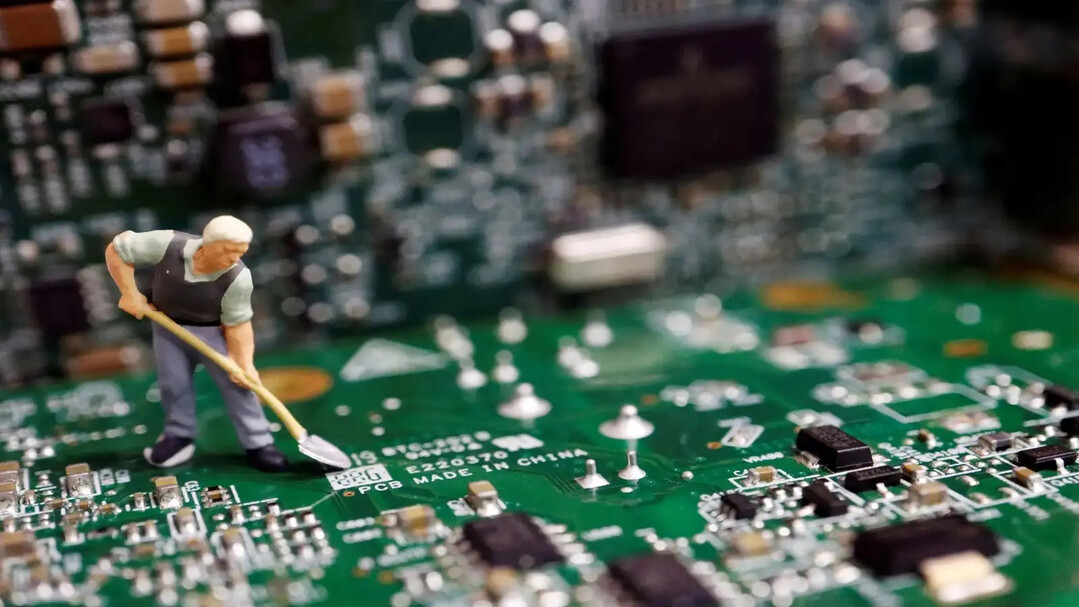
SEOUL — South Korea’s exports during the first 20 days of May surged to a historic high for the period, driven by an explosive, triple-digit growth in semiconductor shipments. The robust performance highlights a strong recovery in the global information technology (IT) sector, fueled by skyrocketing demand for Artificial Intelligence (AI) chips. However, escalating energy import costs due to prolonged geopolitical tensions in the Middle East present a lingering shadow over the trade-dependent economy.
According to data released by the Korea Customs Service on Thursday, the country’s outbound shipments from May 1 to 20 reached $52.7 billion, marking a staggering 64.8% increase compared to the same period last year. This figure easily surpassed the previous mid-May record of $38.6 billion set in 2022.
Accounting for working days, which increased by one day to 13.5 days compared to last year, the daily average exports stood at $3.9 billion—a 52.6% year-on-year jump.
Semiconductor Dominance and Shifting Product Trends
The stellar performance was overwhelmingly led by the semiconductor sector. Chip exports skyrocketed by 202.1% year-on-year to reach $22.0 billion, setting a new milestone for the first 20 days of May. This massive surge expanded semiconductors' share of South Korea’s total exports to 41.7%, up 19.0 percentage points from a year earlier, reaffirming the industry's role as the primary engine of the nation's economy.
Other tech-related sectors also enjoyed exponential growth; computer peripheral exports expanded by 305.5%. Traditional heavy industries showed solid gains as well, with petroleum products rising 46.3% and steel products climbing 14.3%.
Conversely, the automotive sector—traditionally the nation's second-largest export pillar—showed signs of cooling. Passenger car exports contracted by 10.1%, marking the second consecutive month of decline amid shifting global demand dynamics.
Explosive Rebound in Key Markets
Geographically, South Korea experienced broad-based export growth across its major trading partners. Shipments to China, the country's largest trading partner, nearly doubled with a 96.5% surge, reflecting a substantial recovery in demand.
Exports to the United States grew by 79.3%, while shipments to Vietnam and the European Union rose by 70.2% and 21.7%, respectively. Notably, exports to Taiwan skyrocketed by 110.4%, likely driven by interconnected supply chains in the global semiconductor ecosystem. Combined, the top three destinations—China, the U.S., and Vietnam—accounted for 51.8% of the total export volume.
Rising Energy Costs and Trade Surplus
While export engines fired on all cylinders, South Korea's import bill also expanded significantly. Total imports during the 20-day period rose 29.3% year-on-year to $41.6 billion.
Imports of chips and semiconductor manufacturing equipment surged by 55.5% and 116.2%, respectively, signaling that domestic tech giants are aggressively investing to expand production capacity. Machinery (11.9%) and petroleum products (58.6%) also posted gains.
However, the most pressing concern lies in the energy sector. Total energy imports—including crude oil, gas, and coal—jumped 23.9%. Crude oil imports alone, which had hovered in the $4 billion range from December last year to April, surpassed $6 billion this month, marking a 26.4% increase.
"The prolonged conflict in the Middle East has driven up international crude prices, and when coupled with the weakness of the Korean won against the U.S. dollar, the financial burden of energy imports is escalating rapidly," an industry analyst noted.
By country, imports from China rose 42.1%, while those from the EU (41.9%), Vietnam (43.9%), the U.S. (24.6%), and Japan (23.8%) also increased.
Despite the growing burden of energy bills, the explosive growth in exports comfortably outpaced the rise in imports. As a result, South Korea recorded a substantial trade surplus of $11.0 billion for the first 20 days of May, offering a positive outlook for the country's macroeconomic health in the second quarter.
[Copyright (c) Global Economic Times. All Rights Reserved.]