![[등록] 2026-09-01 15:48:31](/support/_updata/banner2/tl181982910_6749.png)


(C) Linkedin
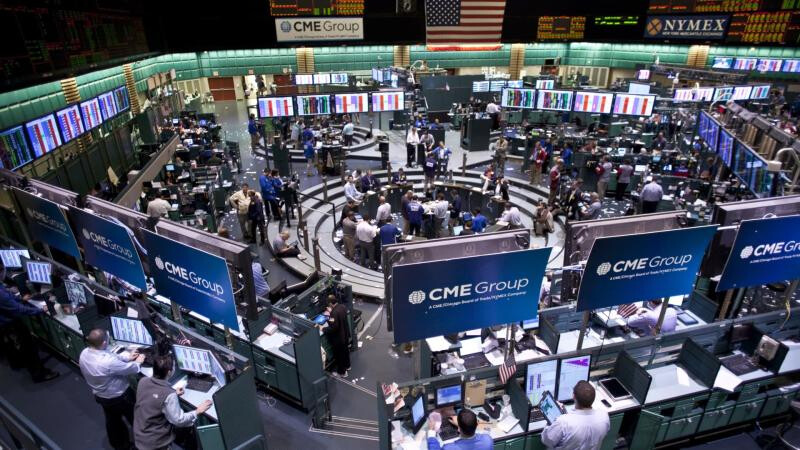
CHICAGO, U.S. — The world's largest derivatives exchange operator, CME Group, experienced a massive system failure on November 28, 2025, bringing trading of stock indexes, foreign exchange, and energy, bond, and metal futures and options to a standstill. The unprecedented disruption, attributed to a cooling problem at a data center, exposed critical systemic vulnerabilities in the global financial infrastructure.
Catastrophic System Failure Triggers Global Trading Chaos
The electronic trading platform, Globex, operated by CME Group, suffered a complete outage early in the day, halting all futures and options contracts across a vast array of core assets. The disruption immediately froze key financial indicators, including futures contracts for the S&P 500, Dow, and Nasdaq indices, alongside commodities like West Texas Intermediate (WTI) crude oil, gold, and copper. Foreign exchange platforms also ceased operation, stopping updates for crucial currency pairs such as the Euro/Dollar and Yen/Dollar.
WTI crude oil futures, for instance, were last executed at 11:47 AM KST (9:47 PM Chicago time the day before) and were stuck at $59 per barrel, according to the ICE platform.
The incident is considered one of the worst financial infrastructure failures on record, surpassing a 2014 CME agricultural futures outage. Given that CME Group oversees trading for major exchanges, including the Chicago Board of Trade (CBOT) and the New York Mercantile Exchange (NYMEX), and processes an average of 28.3 million contracts daily, the chain reaction was immediate and widespread.
The Source of the Meltdown: Data Center Overheating
CME Group confirmed that the trading halt was caused by a technical issue related to the cooling system at one of its data centers. The failure led to servers overheating and the eventual system shutdown. CME's data centers are operated by CyrusOne, headquartered in Dallas, Texas, and span 55 locations across the U.S., Europe, and Japan.
IT experts pointed out that this event validates long-standing warnings about the systemic risk inherent in highly centralized digital infrastructure. The incident demonstrated the system's fragility, where a single equipment failure at one data center could simultaneously freeze liquidity across a large segment of the global market.
Market Impact and Price Distortion Fears
The timing of the outage amplified its potential impact. The system failure occurred just before the anticipated opening of the New York stock market, following the Thanksgiving holiday closure and preceding the Black Friday short-trading day, a period already characterized by thin liquidity.
Financial strategists warned that even a brief trading suspension during periods of low liquidity can lead to severe price distortion in commodities, foreign exchange, and government bond markets. The major risk identified was the explosive volatility expected upon the resumption of trading as the market rushed to catch up on lost price movements.
Trader Chaos: Institutional investors were plunged into chaos, with critical price information suddenly unavailable for hours. Brokers were forced to delist certain products, and traders were left exposed to position risk, resorting to rudimentary, pre-2000s self-calculation methods to manage their holdings.
Derivatives Market Fallout: The disruption inevitably affected derivative products built on CME-traded futures, such as Exchange Traded Funds (ETFs) and Exchange Traded Notes (ETNs) linked to S&P 500 futures, gold futures, U.S. Treasury futures, and crude oil futures. In South Korea alone, 26 ETFs publicly announced that the inability to receive underlying index data had caused errors in calculating their real-time estimated Net Asset Value (NAV), leading to a large potential discrepancy (괴리율) between the estimated NAV and the market price.
Moving Forward: Reassessing Infrastructure Resilience
Following the initial crisis, CME Group began sequentially resuming trading for select sectors, including foreign exchange, Treasury bonds, and some stock futures, starting after 9:00 PM KST. However, the company cautioned that even after the technical fix, it could take time for the full price movements of the affected contracts to be reflected.
This comprehensive and extensive failure underscores the urgent need for a global reassessment of the resilience and redundancy of core financial trading infrastructure. As technology rapidly advances, ensuring the stability and security of the systems that handle millions of contracts daily is paramount to maintaining market trust and stability. This incident serves as a stark reminder that the smooth functioning of global finance is inextricably linked to the reliable operation of the physical infrastructure of the digital age.
[Copyright (c) Global Economic Times. All Rights Reserved.]