![[등록] 2026-09-01 15:48:31](/support/_updata/banner2/tl181982910_6749.png)


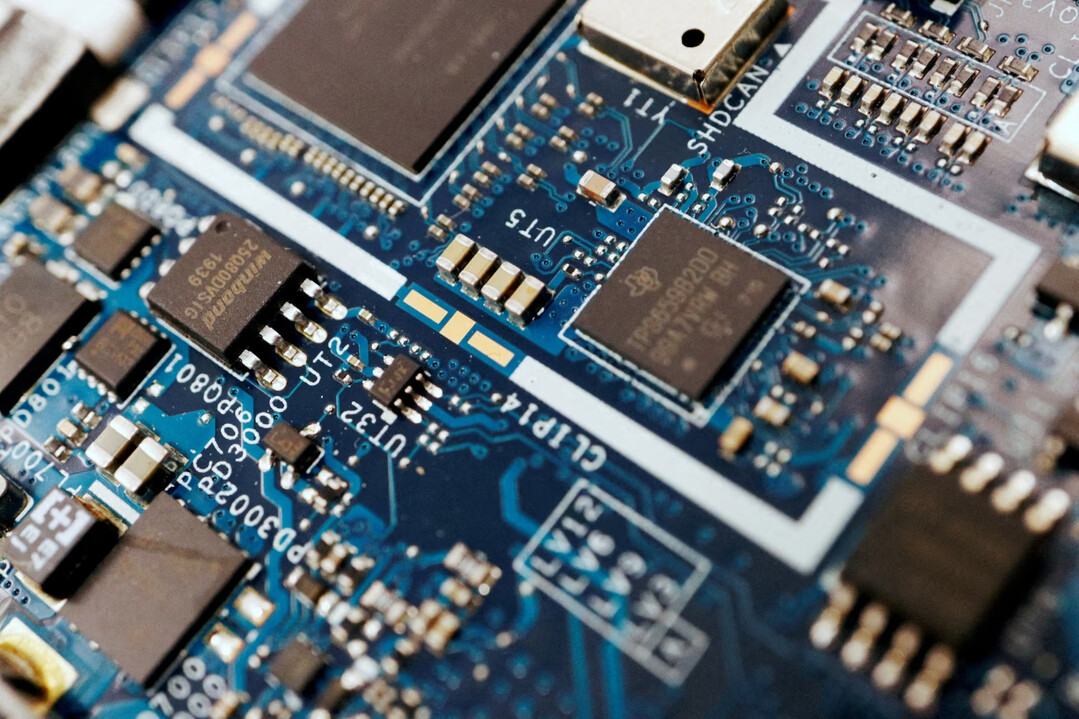
WASHINGTON — In a dramatic move aimed at revitalizing domestic manufacturing, President Donald Trump announced on Wednesday a sweeping new tariff policy that will impose a 100% duty on all imported semiconductors and integrated circuits. The announcement, made from the Oval Office with Apple CEO Tim Cook present, signals a significant escalation of the administration's "America First" trade agenda. The policy, however, includes a major exemption: companies that are building or have committed to building semiconductor fabrication facilities in the United States will be exempt from the tariff.
The president framed the measure as a critical step toward securing the nation's supply chain and reducing its dependency on foreign-made components, particularly those from Asia. He cited the semiconductor shortages experienced during the COVID-19 pandemic as a prime example of the vulnerabilities of relying on overseas production, noting that the scarcity of chips drove up prices for cars and other consumer goods.
"We'll be putting a very large tariff on chips and semiconductors," Trump stated. "But the good news for companies like Apple is, if you're building in the United States, or have committed to build, without question, committed to build in the United States, there will be no charge."
This announcement comes on the heels of a new $100 billion investment pledge from Apple toward U.S.-based chip and component manufacturing, a move seen by many as a strategic effort to preemptively avoid the punitive tariff. Other major tech companies, including chip giants like NVIDIA and Intel, have also made significant commitments to expand their U.S. operations, and are expected to qualify for the exemption.
Global Repercussions and South Korea's Predicament
The proposed tariff is a stark departure from the previous administration's approach, which focused on subsidies and incentives through the CHIPS and Science Act. Instead, Trump's policy uses the threat of steep tariffs to compel companies to reshore production. This "stick-and-carrot" strategy is a direct challenge to the global semiconductor supply chain, which is heavily concentrated in East Asia.
The policy is expected to have a particularly significant impact on countries that are major exporters of semiconductors to the U.S., such as Taiwan and South Korea. For South Korea, semiconductors are its second-largest export to the American market, after automobiles. In 2024, the nation shipped over $10 billion worth of chips to the U.S., making it a critical part of its economy.
While South Korean giants like Samsung and SK Hynix have already committed to massive investments in American facilities—Samsung is currently constructing a $45 billion fabrication plant near Austin, Texas—the new tariff still poses a significant threat. The new policy puts pressure on these companies to accelerate their U.S. investments and could disrupt their existing global manufacturing models. Experts worry that a full-scale tariff could lead to a massive realignment of production, potentially raising costs for American consumers and intensifying global trade tensions. It is unclear if South Korea's existing trade agreements with the U.S. will provide any relief from the new tariff, as the measure is being pursued under a Cold War-era statute that allows tariffs on imports deemed a threat to national security.
The move marks the first time semiconductors would be subject to tariffs since the 1997 World Trade Organization Information Technology Agreement (ITA), which committed signatory nations, including the U.S. and South Korea, to tariff-free trade in IT goods. This development suggests a profound shift in the global trade landscape and could lead to a new era of protectionism.
[Copyright (c) Global Economic Times. All Rights Reserved.]