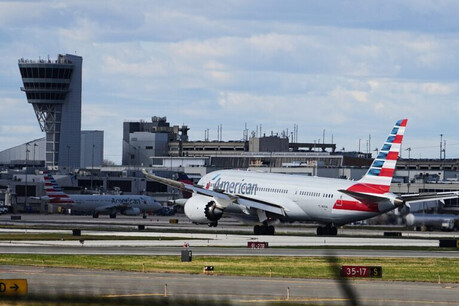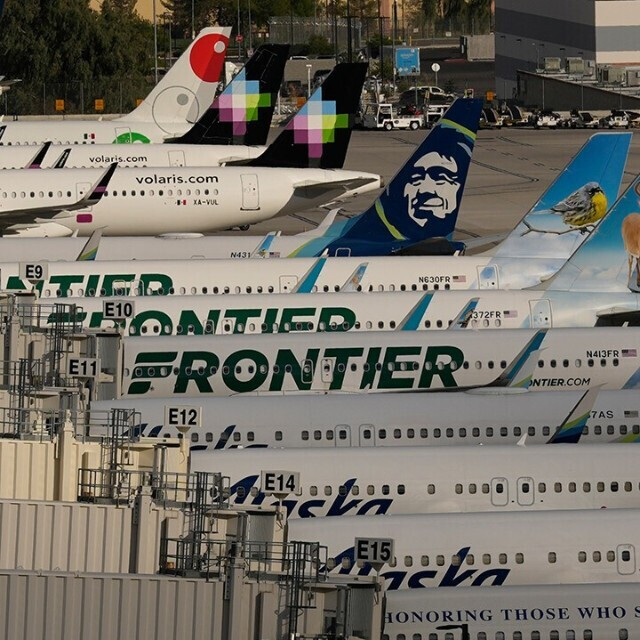
A severe aviation crisis paralyzed American airspace for three consecutive days last week, marking the longest nationwide ground stop since the September 11 terrorist attacks. The Federal Aviation Administration (FAA) enforced a sweeping nationwide freeze on departures, forcing millions of travelers to face massive delays and cancellations.
According to aviation tracking data, over 2,000 flights were canceled and thousands more were delayed across the United States as the crisis unfolded. Major carriers experienced cascading disruptions, with regional and major airlines reporting significant operational setbacks.
U.S. Transportation Secretary addressed the public to clarify that investigators have found no indications of foul play or cyber terrorism. Instead, officials traced the root cause to routine maintenance involving air traffic control hardware.
The malfunction began when technicians replaced a router at a remote FAA installation in Arkansas. The newly updated network node unexpectedly triggered a massive loop with another recently upgraded router in Texas, flooding nationwide control hubs with over 1,000 connection requests every five seconds. The sudden data surge completely overwhelmed communication pipelines across regional control centers.
Both units involved in the glitch have been shipped to a laboratory in Florida for forensic analysis, and the FAA has temporarily disabled similar functions on roughly 60 other routers nationwide. Despite these precautionary measures, aviation officials remain baffled as to how a standard maintenance procedure—executed safely thousands of times in the past—led to such a catastrophic failure. Equipment manufacturers maintain that the hardware functioned precisely according to the installer's configuration parameters.
The incident has sharply highlighted the vulnerability of America’s aging aviation infrastructure. Decades-old hardware, persistent communication hurdles, and critical staffing shortages continue to strain the national airspace network. The specific router responsible for the meltdown was originally purchased in 2001 and discontinued in 2006.
In the wake of the crisis, the administration pushed for a substantial expansion of modernization funding, requesting a total of $50 billion to completely overhaul the crumbling framework. However, political friction has immediately surfaced. Lawmakers from the opposition party expressed deep skepticism, noting that a significant portion of previously allocated funds remains unspent and demanding greater accountability before any new appropriations are approved.
As political debates intensify in Washington, the recent disruption serves as a stark warning about the risks of delaying critical technological updates in vital national infrastructure.
[Copyright (c) Global Economic Times. All Rights Reserved.]