![[등록] 2026-09-01 15:48:31](/support/_updata/banner2/tl181982910_6749.png)


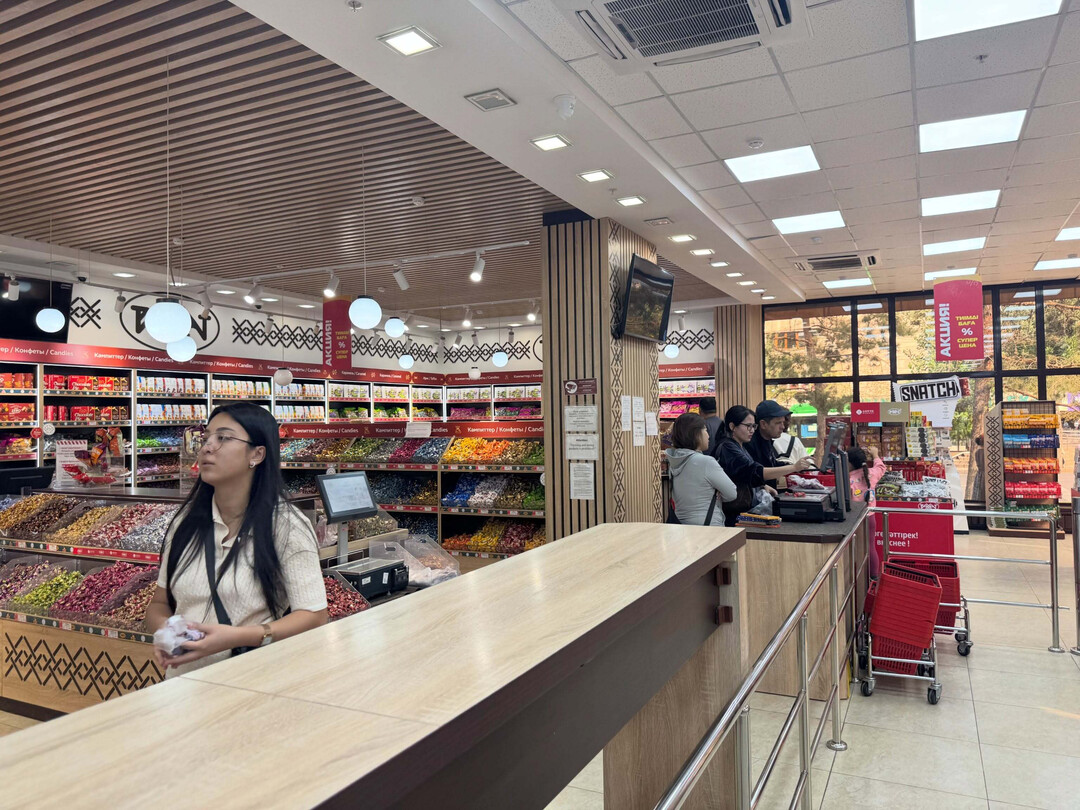
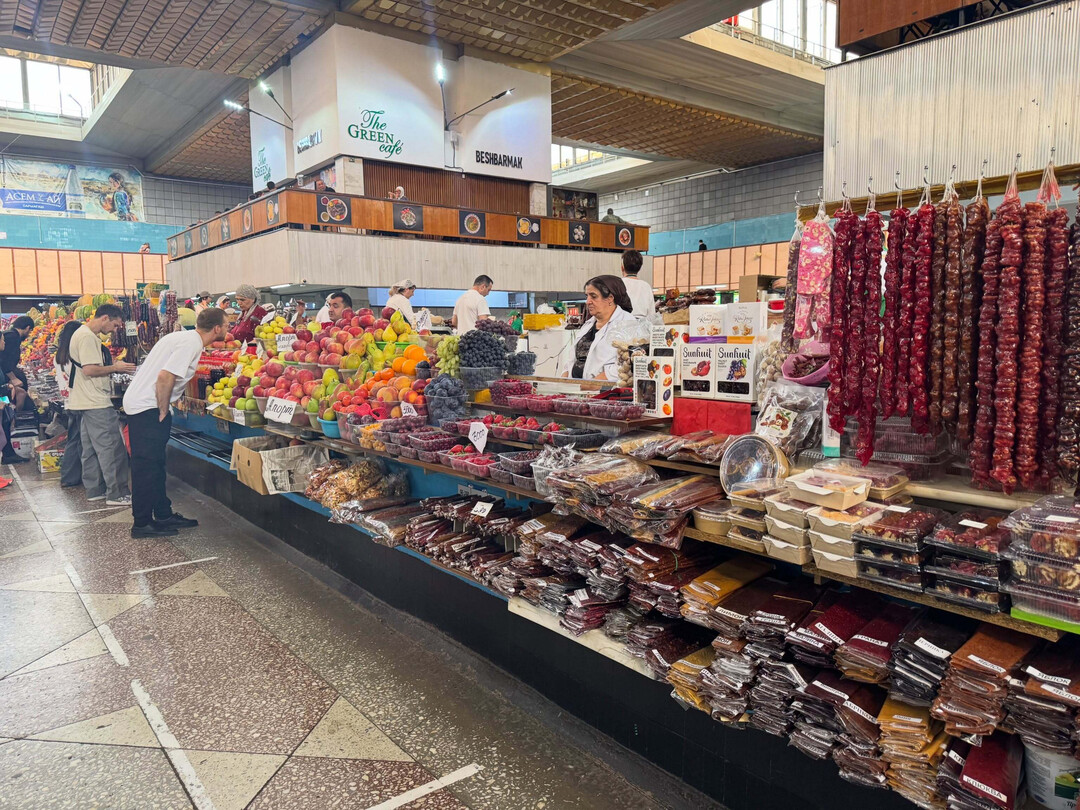
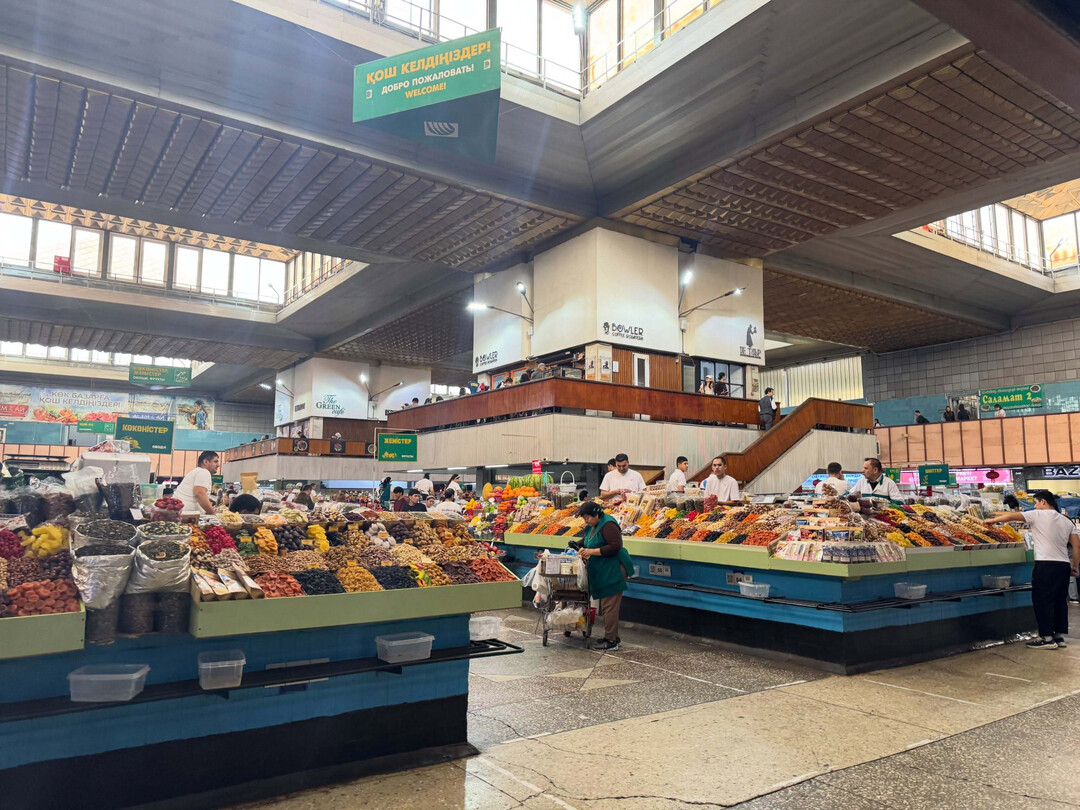
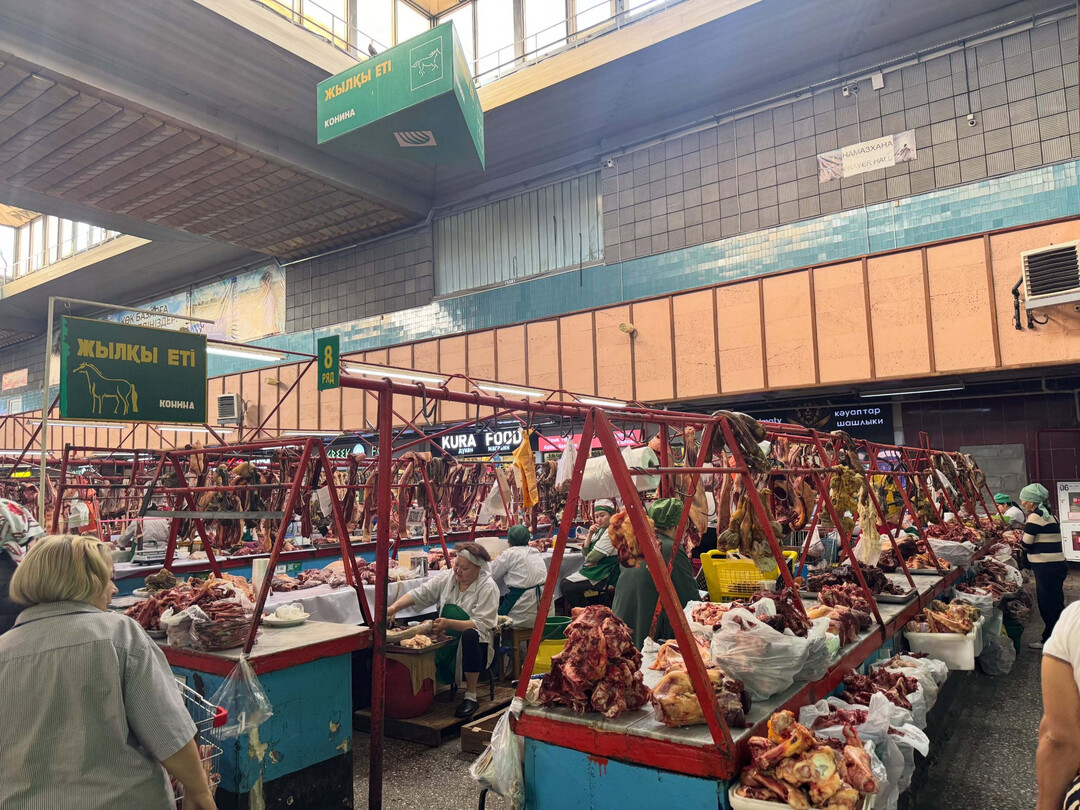
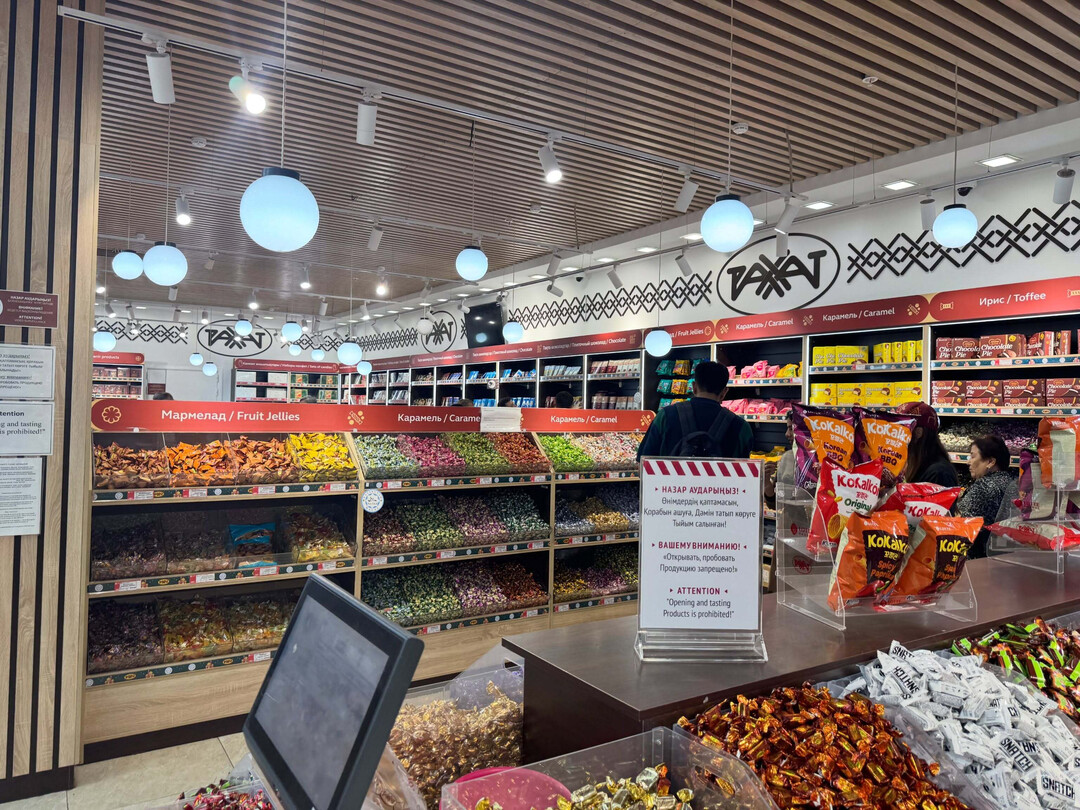
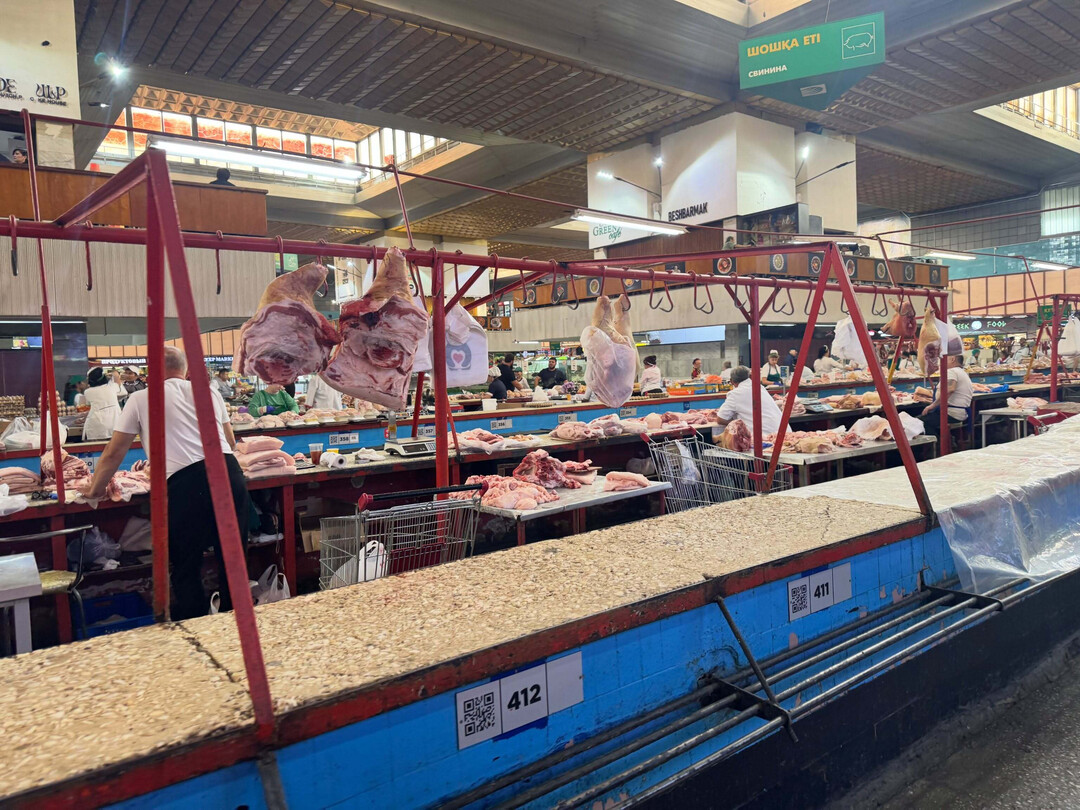
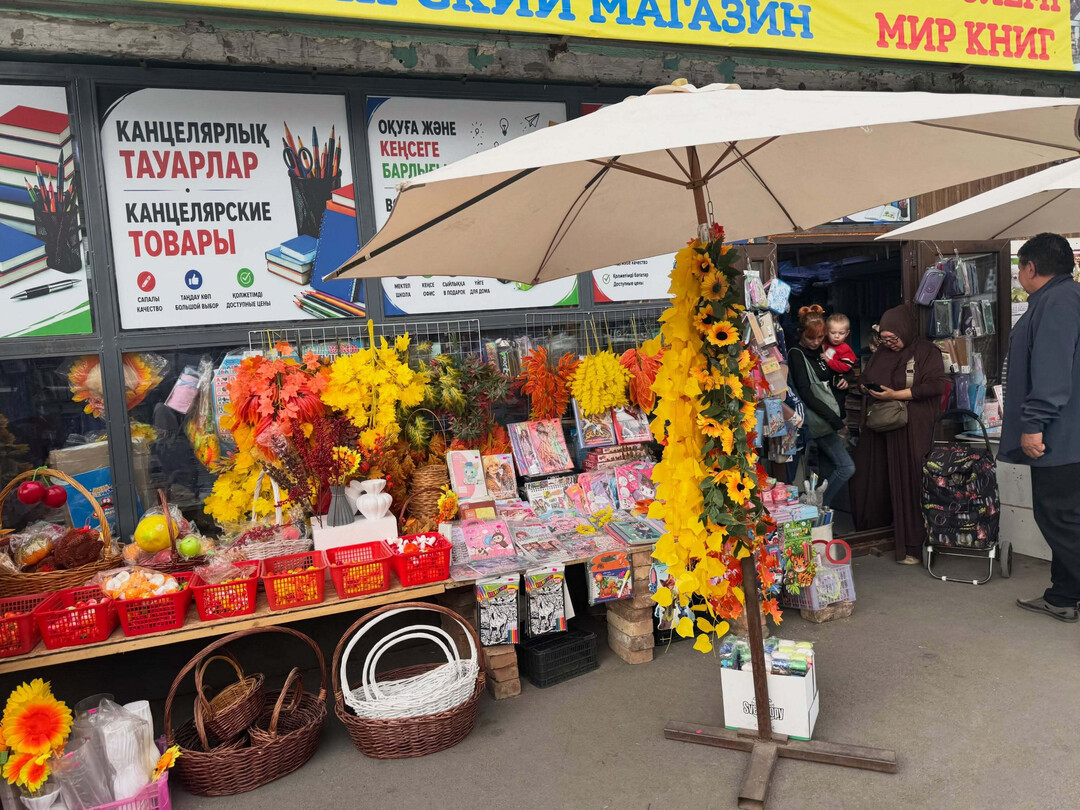
Several years ago, I visited Almaty, Kazakhstan in Central Asia, with acquaintances on a business trip. It is famously known as the birthplace of apples. Ahead of our return to Korea, my companions and I went to that market. The fresh and colorful fruits were impressive, and Almaty's famous chocolates were being sold in abundance.
I wanted to buy a few souvenirs, but after being scammed out of money by an English academy, I had no spare cash. Most of my companions carried wallets filled with crisp 100-dollar bills. Not knowing my situation, they took turns asking, "Cherry, why aren't you buying any souvenirs?" I wanted things to buy, too, but I didn't even have 10,000 won to spare in my pocket.
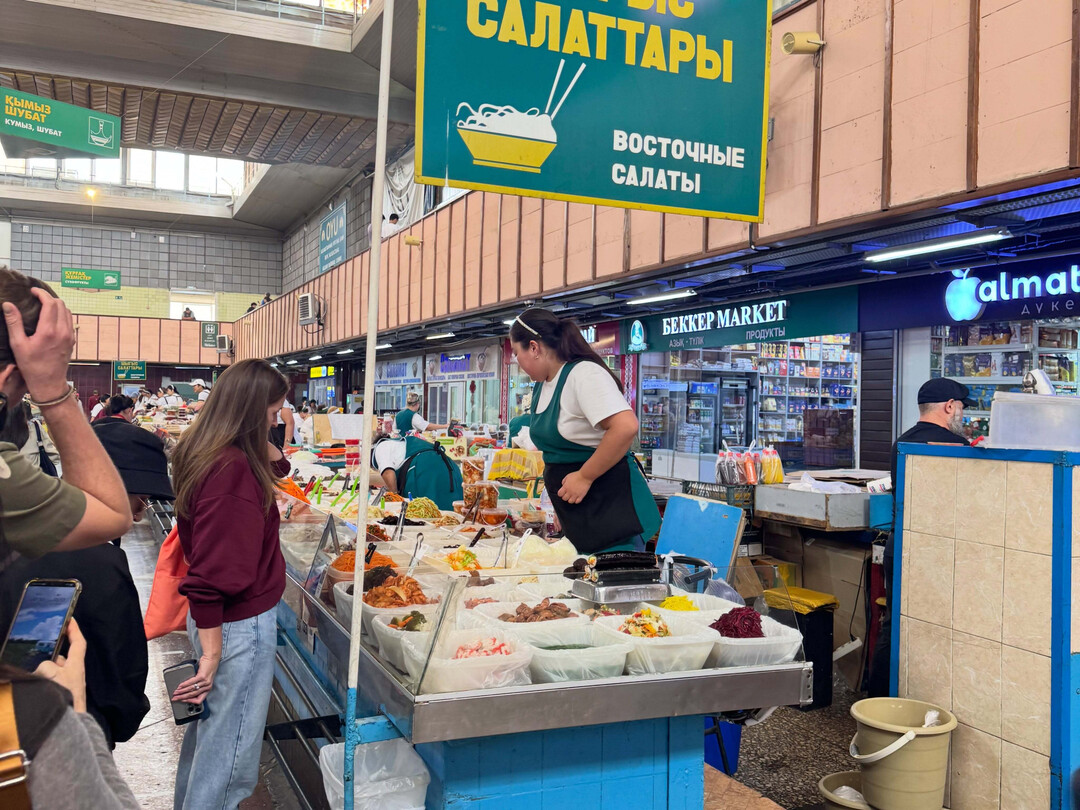
They kept encouraging me, saying, "Aren't there any souvenirs you like?" and "Why don't you buy something?" As I replied, "There's nothing I want to buy," sudden tears burst forth, and I hurried into the restroom. I remember turning on the tap water and crying before coming back out.
Even if you live comfortably with financial stability, falling victim to a scam can leave you without even 10,000 won. Even now, many people around me fall victim to fraud. They are people who were once very famous or doing extremely well. Most of them were model students back in school. Anyone must be cautious of fraudsters. Now, if I go on a business trip or travel to Almaty, Kazakhstan again, I think I'll finally be able to buy some souvenirs.
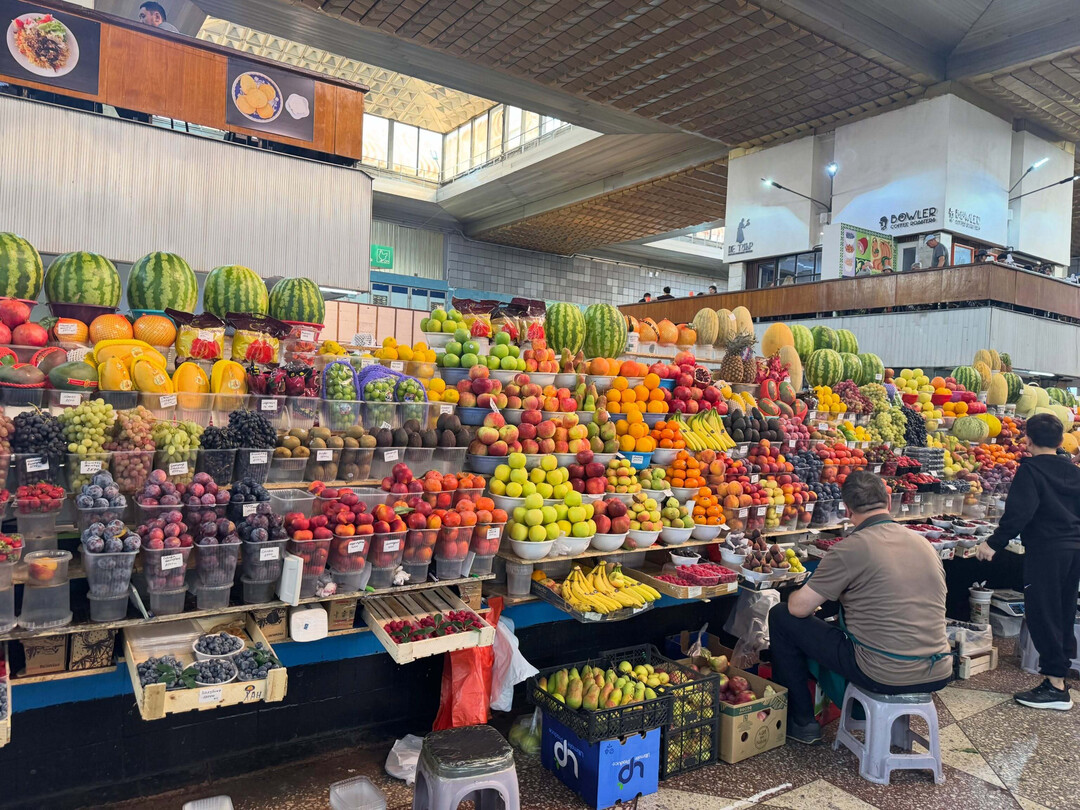
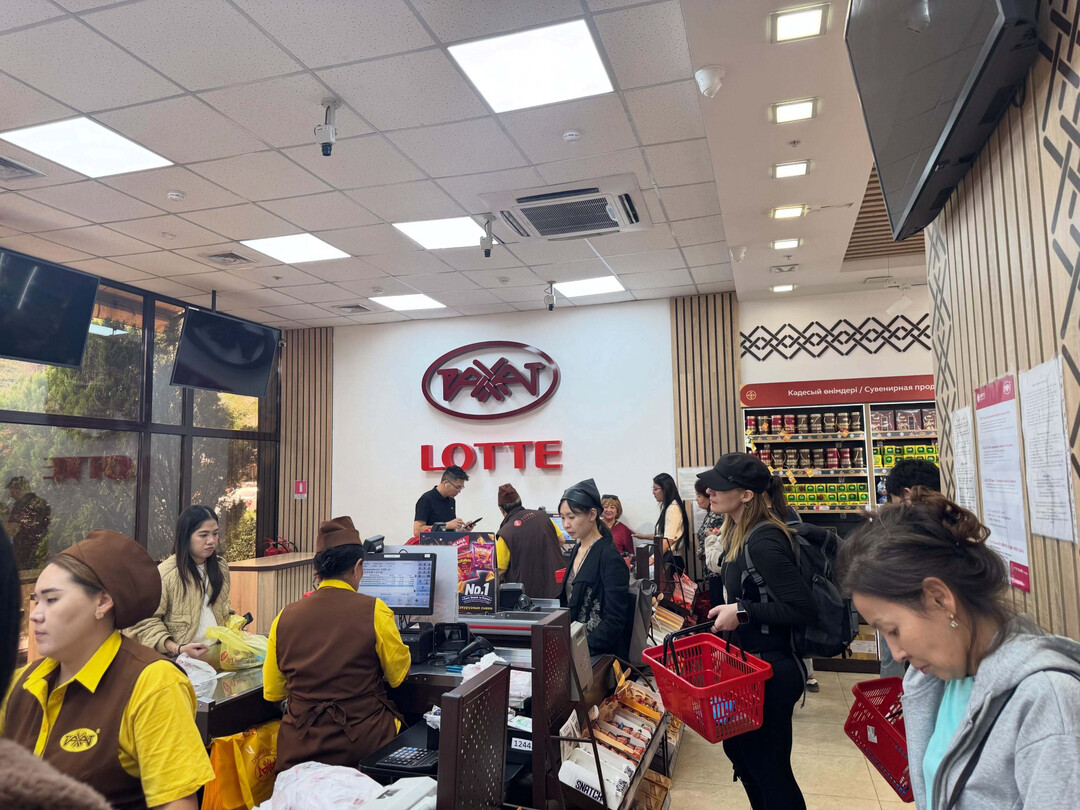
[Copyright (c) Global Economic Times. All Rights Reserved.]