
• 2026.10.23 (Fri)
  • All articles
  • LOGIN
  • JOIN
Global Economic Times
[등록] 2026-09-01 15:48:31
  • Synthesis
  • World
  • Business
  • Industry
  • ICT
  • Distribution Economy
  • Well+Being
    • Pet Life
    • Halal Horizon
  • Travel
  • Eco-News
  • Education
  • Korean Wave News
  • Opinion
  • Arts&Culture
  • Sports
  • People & Life
    • International Student Report
    • With Ambassador
  • Column
    • Cho Kijo Column
    • Cherry Garden Story
    • Ko Yong-chul Column
    • Kim Seul-Ong Column
    • Lee Yeon-sil Column
  • Photo News
  • New Book Guide
MENU
 
Home > World

Canada Also Gripped by Bear Fear as Attacks Follow Japan's Woes

Yim Kwangsoo Correspondent / Updated : 2025-11-24 10:22:53
  • -
  • +
  • Print


 (C) Global News


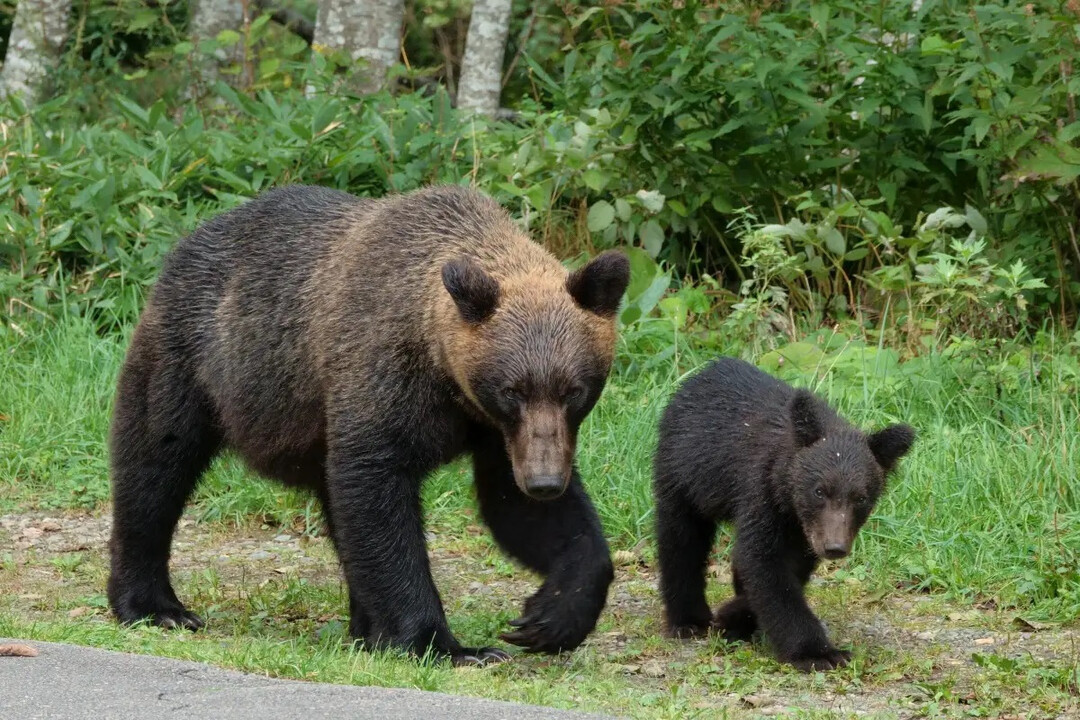
VANCOUVER, B.C. - Following a wave of bear-related incidents in Japan, parts of Canada are now facing a similar surge in bear encounters, highlighted by a harrowing attack on a school field trip that has reignited a fierce debate over hunting bans. The recent spate of aggressive encounters, particularly in British Columbia, suggests a growing crisis involving wildlife-human interactions.

The most shocking incident occurred on November 20 in Bella Coola, a community in British Columbia's western region. A group of approximately 20 children and teachers on a field study excursion were abruptly attacked by a bear, resulting in injuries to eleven people. Of those injured, two were reported to be in serious condition. The group was taking a break on a trail when the attack took place. Multiple teachers bravely used bear repellent spray to drive the animal away, a quick action that likely prevented further tragedy.

Authorities strongly suspect the aggressor was a grizzly bear, or $Ursus arctos horribilis$, a species whose hunting has been banned in British Columbia since 2017.

The incident has immediately galvanized calls to reconsider the provincial hunting moratorium. The Canadian public broadcaster CBC reported, citing local municipal authorities, that the region has seen a troubling increase in bears breaking into homes this year, compounding the public's fear.

The controversy surrounding the ban is underscored by statistics concerning grizzly bear sightings and conflicts. Data indicates a dramatic increase in reported incidents following the 2017 ban. In the decade preceding the moratorium, reports of grizzly-related issues ranged annually from 300 to 500. Since the ban's implementation, however, the annual number of reported grizzly incidents has surged to an estimated 1,000.

This recent field trip attack is not an isolated event. British Columbia has experienced several serious bear encounters this year, creating a palpable sense of apprehension among residents and outdoor enthusiasts. In October, two hikers were injured in a bear attack. In July, a couple riding bicycles was assaulted by two bears, leaving one person severely injured. Tragically, on November 12, a hunter succumbed to injuries sustained during a grizzly attack, marking a fatal peak in this year's string of incidents.

The escalating frequency and severity of these attacks are forcing provincial officials to confront a difficult dilemma. Conservationists argue that the hunting ban is crucial for protecting the grizzly population, a cornerstone of the province's natural heritage. However, local communities and some officials are now pressing for a partial or complete lifting of the ban, arguing that the increasing bear population, coupled with habitat encroachment, poses an unacceptable risk to public safety.

The debate centers on finding a sustainable balance between wildlife management and human security. While experts continue to investigate the specific factors driving the bears' increased aggression and proximity to human settlements—potentially including resource scarcity or a habituation to human food sources—the province must urgently address the growing "bear fear" that is impacting everyday life, from field trips to recreational activities. The outcome of the current discussion on the hunting ban will determine the future of human-grizzly coexistence in British Columbia.

[Copyright (c) Global Economic Times. All Rights Reserved.]

  • #globaleconomictimes
  • #micorea
  • #mykorea
  • #Lifeplaza
  • #nammidonganews
  • #singaporenewsk
  • #Samsung
  • #Daewoo
  • #Hyosung
  • #A
Yim Kwangsoo Correspondent

Popular articles

  • LG CNS Partners with General Atlantic to Co-Invest in Enterprise Software and AI

  • Business Circles Express Deep Concern Over Newly Passed Occupational Safety and Health Act Amendment

  • Mechanization Makes Garlic Planting Season Easier!

I like it
Share
  • Facebook
  • X
  • Kakaotalk
  • LINE
  • BAND
  • NAVER
  • https://globaleconomictimes.kr/article/1065576088631833 Copy URL copied.
Comments >

Comments 0

Weekly Hot Issue

  • "We'll be your ambassadors"
  • Daejeon City and Office of Education Agree on 311.4 Billion Won for Educational Cooperation Projects
  • Bucheon City Hall Athletic Team Wins 10 Medals at National Sports Festival, Highest in 3 Years
  • Jeonbuk Culture and Tourism Foundation & W Museum to Host ‘Project A.I.M.’ Exploring the Coexistence of Humans and AI
  • 33 Chungnam Young Artists Connect Through Art on Seoul StageChungnam Culture and Tourism Foundation Successfully Concludes the "2026 Chungnam Youth Art Festa"
  • This Weekend, from K-Performances to K-Dramas... Enjoy Them at HiKR Ground

Most Viewed

1
US Pushes to Deploy Special Task Force to the Korean Peninsula—Is It Also Targeting China?
2
Samsung Electronics Enters the 100 Trillion Won Quarterly Operating Profit Era
3
McDonald's Korea Expands and Relocates Headquarters to Booyoung Taepyeong Building in Taepyeong-ro
4
HMM Relocates Headquarters to Busan: A New Era for South Korea's Flagship Carrier
5
Cheonan Secures 'Excellence' Award at South Chungcheong Province's 13th Cadastral and Drone Surveying Competition
체리가든 스토리
nutri huevos
로타리
동포저널

Hot Issue

US Eighth Army Commander Signals Shift: US Forces in South Korea Ready for Regional Deployments Beyond Peninsula

"Too Popular for Our Own Good": Japan's Matcha Boom Brings Surging Exports and Looming Industry Crises

Democrats Lead GOP by 10 Points Ahead of Midterms as Trump’s Approval Hits Record Low 

Fashion Runway Show 2026

Let’s recycle the old blankets in Jeju Island’s closet instead of incinerating them.

Global Economic Times
korocamia@naver.com
CEO : LEE YEON-SIL
Publisher : KO YONG-CHUL
Registration number : Seoul, A55681
Registration Date : 2024-10-24
Youth Protection Manager: KO YONG-CHUL
Singapore Headquarters
5A Woodlands Road #11-34 The Tennery. S'677728
Korean Branch
Phone : +82(0)10 4724 5264
#304, 6 Nonhyeon-ro 111-gil, Gangnam-gu, Seoul
Copyright © Global Economic Times All Rights Reserved
  • 향기네무료급식
  • APEC2025
  • 반달곰 프로젝트
Search
Category
  • All articles
  • Synthesis
  • World
  • Business
  • Industry
  • ICT
  • Distribution Economy
  • Well+Being 
    • 전체
    • Pet Life
    • Halal Horizon
  • Travel
  • Eco-News
  • Education
  • Korean Wave News
  • Opinion
  • Arts&Culture
  • Sports
  • People & Life 
    • 전체
    • International Student Report
    • With Ambassador
  • Column 
    • 전체
    • Cho Kijo Column
    • Cherry Garden Story
    • Ko Yong-chul Column
    • Kim Seul-Ong Column
    • Lee Yeon-sil Column
  • Photo News
  • New Book Guide
  • Overseas Koreans
  • Multicultural News