![[등록] 2026-09-01 15:48:31](/support/_updata/banner2/tl181982910_6749.png)


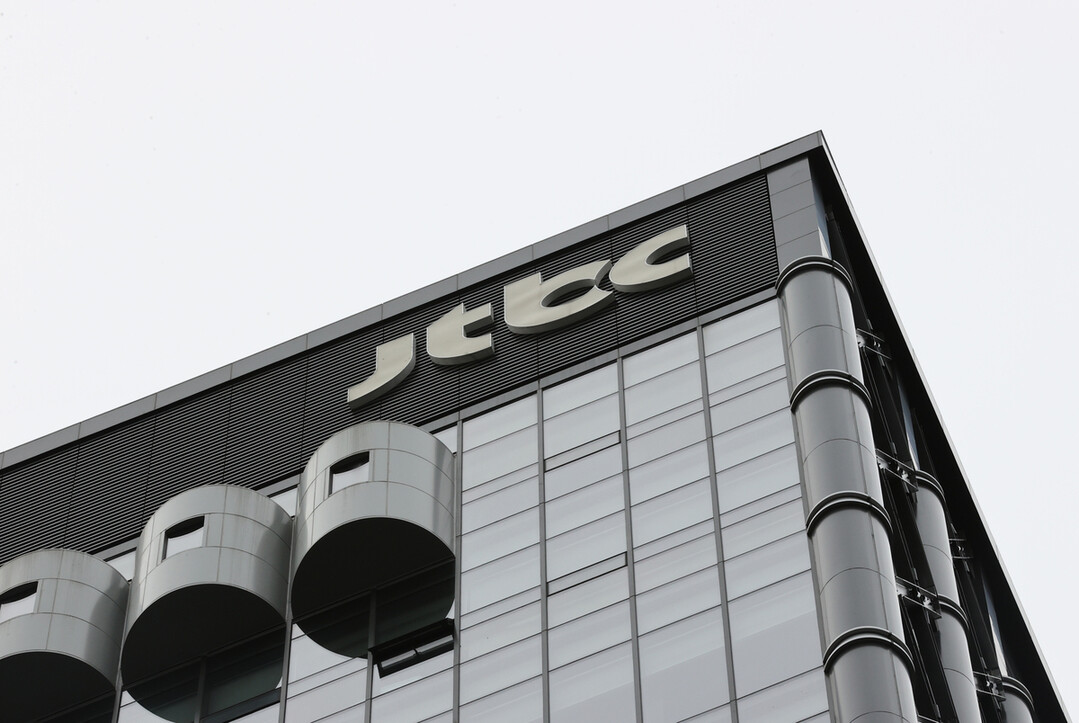
SEOUL — JoongAng Ilbo, one of South Korea's premier newspapers, officially filed for a creditor-led workout program on June 19, 2026, as a severe liquidity crisis continues to engulf its parent organization, JoongAng Group. This move marks a significant escalation in the group's financial distress, following the earlier decision by major affiliates, including JTBC and holding company JoongAng Holdings, to seek court-supervised corporate rehabilitation.
Escalation of Financial Distress
The crisis reached a critical inflection point when JoongAng Ilbo failed to meet an early repayment demand for 22 billion KRW (approximately 16.3 million USD) in commercial paper (CP) held by Hanyang Securities.
Although the original maturities for these notes were scheduled for late 2026 and early 2027, the ongoing volatility within the group triggered "Events of Default" (EOD) clauses in the issuance contracts, allowing Hanyang Securities to call for immediate settlement. Following a shortage of available deposits, the newspaper was unable to fulfill the obligation, leading to a "first bill default" status as of June 18.
A Stance on Equity and Fairness
In a statement issued on Friday, JoongAng Ilbo addressed the demands for early repayment, asserting that individual settlements would be inequitable given the broader financial situation.
"As the workout process gains traction, fair and consistent debt adjustment must be carried out for all creditors," the company stated. "It is difficult to accept only a specific creditor's request for early repayment before maturity, as it violates the principles of fairness". The newspaper emphasized its commitment to working closely with its main creditor, Hana Bank, to devise a comprehensive plan for debt restructuring and management normalization.
Root Causes of the Crisis
The rapid unraveling of JoongAng Group’s financial stability is attributed to a confluence of structural and market-driven challenges:
Aggressive Investment Miscalculations: The group had previously undertaken large-scale investments in content production and broadcasting rights (including major sporting events), which failed to yield the anticipated revenue growth.
Macroeconomic Headwinds: A worsening global and domestic economic climate has squeezed corporate margins and tightened credit markets.
Credit Downgrades: Declining credit ratings have exacerbated the group's "liquidity crunch," making it increasingly difficult to refinance maturing debt.
Structural Media Challenges: Experts point to the broader structural limitations of traditional media models, which are struggling to adapt to rapidly changing digital consumption habits and fragmented advertising revenue.
Future Outlook
The total debt subject to rehabilitation and workout processes across the group's affiliates is estimated to reach approximately 2.8 trillion KRW. Vice Chairman Hong Jeong-do of JoongAng Group publicly apologized for the turmoil during a recent press conference, stating that the group's priority is the recovery of losses for creditors and shareholders.
As the group now navigates the complex dual paths of court-supervised rehabilitation for several key entities and creditor-led workouts for others, the path to normalization remains fraught with uncertainty. The financial industry is watching closely to see whether these measures will provide the breathing room necessary for the iconic media group to restructure its operations and stabilize its finances.
[Copyright (c) Global Economic Times. All Rights Reserved.]