![[등록] 2026-09-01 15:48:31](/support/_updata/banner2/tl181982910_6749.png)


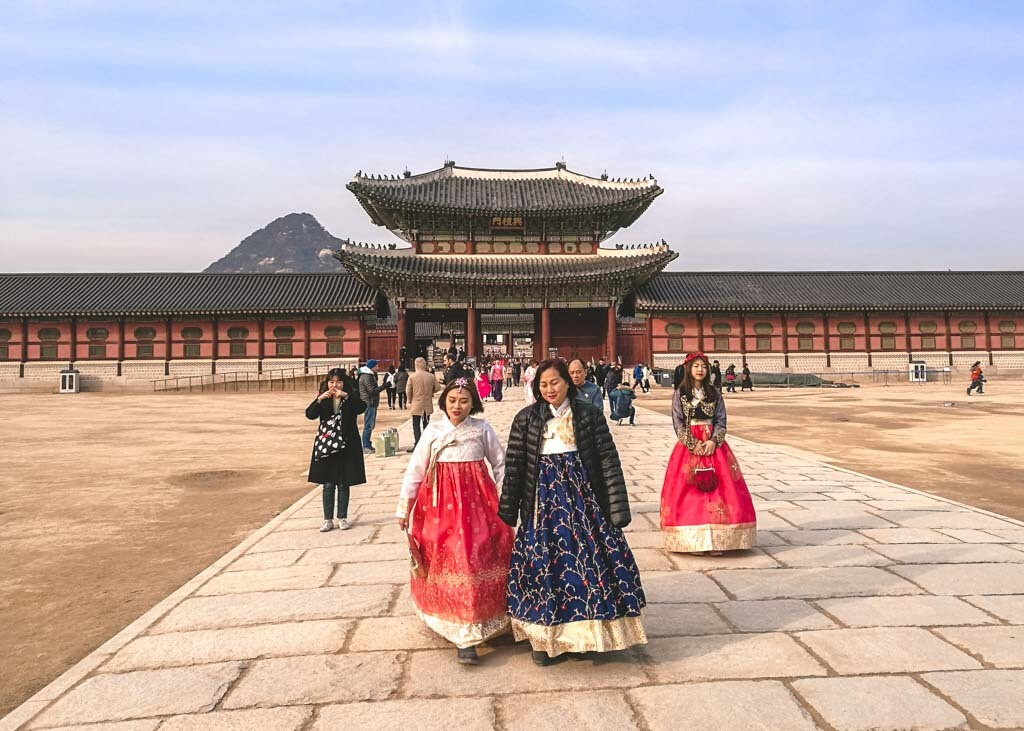
With the Chuseok holiday coinciding with the '2026 World Korean Week'—which features events such as the World Korean Community Leaders Convention, the Americas Federation Night, the National Unification Advisory Council Americas Conference, the World Korean Business Convention, and the World Korean Women's Conference—many overseas Koreans are returning to their homeland.
Visitors are setting a new trend of 'one-stop homecoming,' not only attending events, but also taking care of residence ID card applications, health check-ups, ophthalmology and dental treatments, skin care, and hair care all at once.
The change most welcomed by overseas Koreans is the immigration screening process.
Even overseas Koreans with foreign nationalities who qualify for the exclusive screening lane can use the domestic screening lane, allowing them to choose the shorter line between the foreign and domestic queues to significantly reduce waiting times. In addition, foreign nationals can make their entry even more convenient at the airport by filling out the electronic arrival card (e-Arrival Card) in advance instead of a paper arrival card.
If you plan to stay in South Korea for 91 days or longer, applying for an F-4 Overseas Korean Residence ID Card is worth considering. Applications must be submitted at an Immigration Office within 90 days of entry, requiring basic documents such as a passport, photo, and proof of residence. Having a residence ID card makes long-term stays and various administrative tasks much smoother.
Overseas citizens aged 65 or older can also apply for dual citizenship (restoration of nationality). After reporting the loss of nationality and completing residence registration in Korea, individuals must apply for the restoration of nationality themselves. The screening process usually takes about 8 months. While overseas travel is permitted during the screening period, it can affect your status of stay and schedule, so it is safe to check with the responsible agency before departure.
You must also check regulations regarding bringing pharmaceuticals into the country upon return. CBD products such as gummies, chocolates, and oils that are legally sold overseas may be classified as narcotics in South Korea, making them subject to confiscation or punishment. Most regular vitamins are allowed if they are for personal consumption, but sleeping pills, tranquilizers, ADHD medications, and narcotic painkillers require approval from the Ministry of Food and Drug Safety or additional verification depending on their ingredients.
In particular, even ordinary vitamins and health supplements may be subject to customs inspection if brought in excessive quantities or if their ingredients are unclear.
Experts advise, “Visiting the motherland is a great opportunity to take care of administrative and medical services alongside events,” adding, “Simply making advance reservations for residence ID cards, completing electronic declarations, and checking prescribed medication ingredients beforehand can greatly reduce inconveniences at the airport and during your stay.”
[Copyright (c) Global Economic Times. All Rights Reserved.]