• 2025.12.30 (Tue)
  • All articles
  • LOGIN
  • JOIN
Global Economic Times
APEC2025KOREA가이드북
  • Synthesis
  • World
  • Business
  • Industry
  • ICT
  • Distribution Economy
  • Well+Being
  • Travel
  • Eco-News
  • Education
  • Korean Wave News
  • Opinion
  • Arts&Culture
  • Sports
  • People & Life
  • Column
    • Cho Kijo Column
    • Lee Yeon-sil Column
    • Ko Yong-chul Column
    • Cherry Garden Story
  • Photo News
  • New Book Guide
MENU
 
Home > Korean Wave News

S. Korea to Add Kimchi-Derived 'K-Lactic Acid Bacteria' to Official Food Ingredients List

Hwang Sujin Reporter / Updated : 2025-12-30 09:43:54
  • -
  • +
  • Print

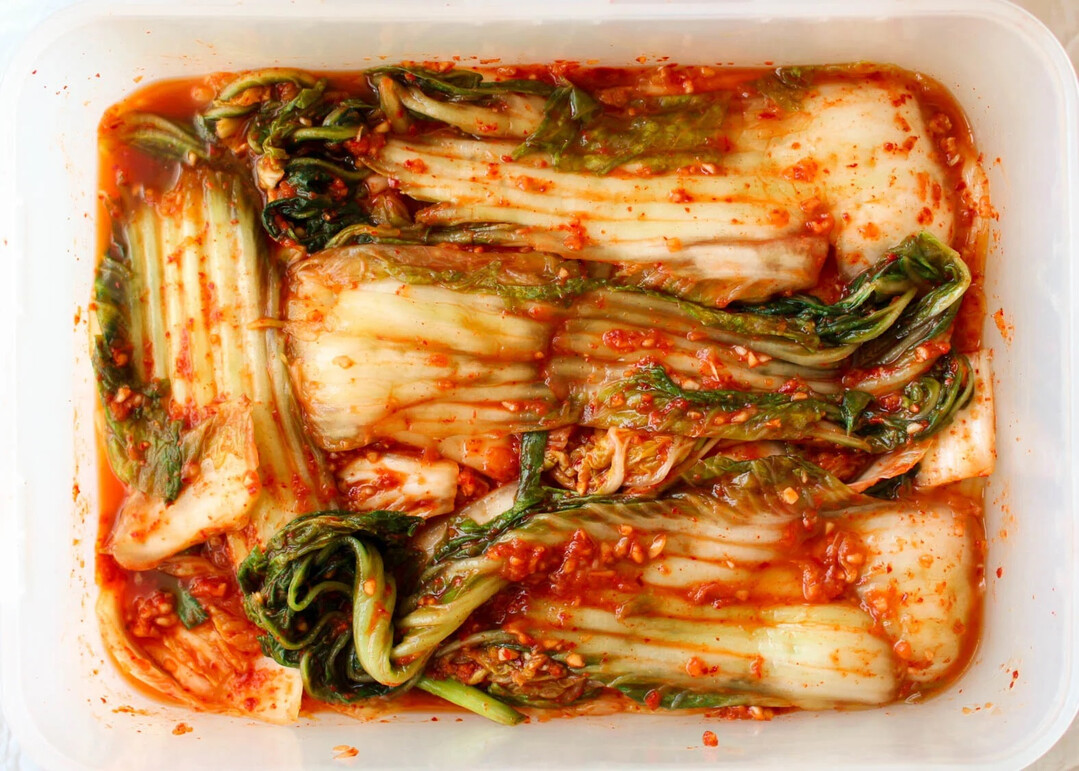
(C) Ahnest Kitchen


SEOUL – The Ministry of Food and Drug Safety (MFDS), in collaboration with the Rural Development Administration (RDA), announced on Tuesday that two strains of lactic acid bacteria derived from traditional Korean fermented foods, such as Kimchi and soybean paste, will be added to the national list of approved food ingredients.

The move aims to foster the development of diverse fermented products by providing a stable regulatory foundation for domestic microbial resources. Following extensive reviews by a consultative body of experts from industry, academia, and government, the authorities identified Leuconostoc lactis and Pediococcus inopinatus as safe for general consumption.

The Profile of Two New 'K-Microbes'
Leuconostoc lactis: Commonly found in Kimchi and traditional sauces like doenjang (soybean paste). It produces lactic acid, acetic acid, and carbon dioxide, which contribute to the unique, refreshing tang of fermented foods.
Pediococcus inopinatus: A key microbe found in aged Kimchi and gajami-sikhae (fermented flatfish). It is known for its dominance in well-ripened "Mukeunji," playing a vital role in determining deep fermentation flavors.

Global Competitiveness and Safety
Beyond traditional Korean cuisine, these indigenous microbes are expected to be utilized in the production of cheese, butter, beer, and wine. The MFDS confirmed that both strains met rigorous safety standards regarding biosafety levels, toxin production, and antibiotic resistance. They are already recognized as food ingredients by international bodies such as the European Food Safety Authority (EFSA).

"This expansion of the food ingredient list will support the growth of the K-traditional fermented food industry and enhance its competitiveness in the global market," the MFDS stated. The government plans to continue discovering and domesticating diverse microbial resources to lead the future food tech industry.

[Copyright (c) Global Economic Times. All Rights Reserved.]

  • #Globaleconomictimes
  • #Korea
  • #Seoul
  • #Samsung
  • #LG
  • #Bitcoin
  • #Meta
  • #Business
  • #Economic
  • #The Woori Bank
  • #Elon Musk
Hwang Sujin Reporter

Popular articles

  • From Court to Content: French Tennis Star Océane Dodin Trades Racquet for OnlyFans, Eyes $5M in a Year

  • 10th Cheonan World Christmas Festival Opens, Runs Until Dec. 25

  • R.E.D. Sectors Poised for Growth in 2026, the Year of the 'Red Horse,' Driven by AI Investment Boom

I like it
Share
  • Facebook
  • X
  • Kakaotalk
  • LINE
  • BAND
  • NAVER
  • https://globaleconomictimes.kr/article/1065573717788589 Copy URL copied.
Comments >

Comments 0

Weekly Hot Issue

  • Diplomatic Row Ignites as Panama Demolishes Chinese Monument Near Canal
  • From Symbol of Decline to Epicenter of Revival: Hanwha Philly Shipyard Emerges as the Cornerstone of Trump’s Naval Ambitions
  • Ukraine Strikes Russian 'Shadow Fleet' Tanker in Unprecedented Mediterranean Drone Attack
  • China Launches Massive Encirclement Drill Following Record U.S. Arms Sale to Taiwan
  • Russia Accuses Ukraine of Drone Strike on Putin’s Residence, Casting Shadow Over Peace Talks
  • Euisun Chung’s ‘Innovative Leadership’ Proven by String of Guinness World Records

Most Viewed

1
K-Consumables Pop-up Strategy Targets Central Japan Distribution Hub, K-Beauty Popularity Spreading
2
GS25 Retains Operating Rights for "Gold Mine" Convenience Stores at Jamsil Baseball Stadium
3
Moon Jun-hyuk: A 20-Year Journey to the 'Stage of Dreams' – "I Want to Be a Golfer of Hope like Choi Kyoung-ju"
4
Return Home After a Long Wait… 82 Sakhalin Koreans Return for Permanent Settlement via Donghae Port
5
Embassy of the Republic of Korea in Paraguay Successfully Hosts '2025 IGA Korean Cooking Course' in Collaboration with the Gastronomic Institute of the Americas (IGA)
광고문의
임시1
임시3
임시2

Hot Issue

SoftBank to Acquire AI Infrastructure Giant DigitalBridge in $4 Billion Deal

Hyundai Motor Casts Doubt on Russian Plant Reacquisition as Buyback Deadline Looms

China to Transition Digital Yuan into 'Deposit Currency' with Interest Payments Starting 2025

U.S. Residential Electricity Rates Set to Surge Further in 2026, Emerging as Key Midterm Election Variable

Let’s recycle the old blankets in Jeju Island’s closet instead of incinerating them.

Global Economic Times
korocamia@naver.com
CEO : LEE YEON-SIL
Publisher : KO YONG-CHUL
Registration number : Seoul, A55681
Registration Date : 2024-10-24
Youth Protection Manager: KO YONG-CHUL
Singapore Headquarters
5A Woodlands Road #11-34 The Tennery. S'677728
Korean Branch
Phone : +82(0)10 4724 5264
#304, 6 Nonhyeon-ro 111-gil, Gangnam-gu, Seoul
Copyright © Global Economic Times All Rights Reserved
  • 에이펙2025
  • APEC2025가이드북TV
  • 독도는우리땅
Search
Category
  • All articles
  • Synthesis
  • World
  • Business
  • Industry
  • ICT
  • Distribution Economy
  • Well+Being
  • Travel
  • Eco-News
  • Education
  • Korean Wave News
  • Opinion
  • Arts&Culture
  • Sports
  • People & Life
  • Column 
    • 전체
    • Cho Kijo Column
    • Lee Yeon-sil Column
    • Ko Yong-chul Column
    • Cherry Garden Story
  • Photo News
  • New Book Guide
  • Multicultural News
  • Jobs & Workers