![[등록] 2026-09-01 15:48:31](/support/_updata/banner2/tl181982910_6749.png)


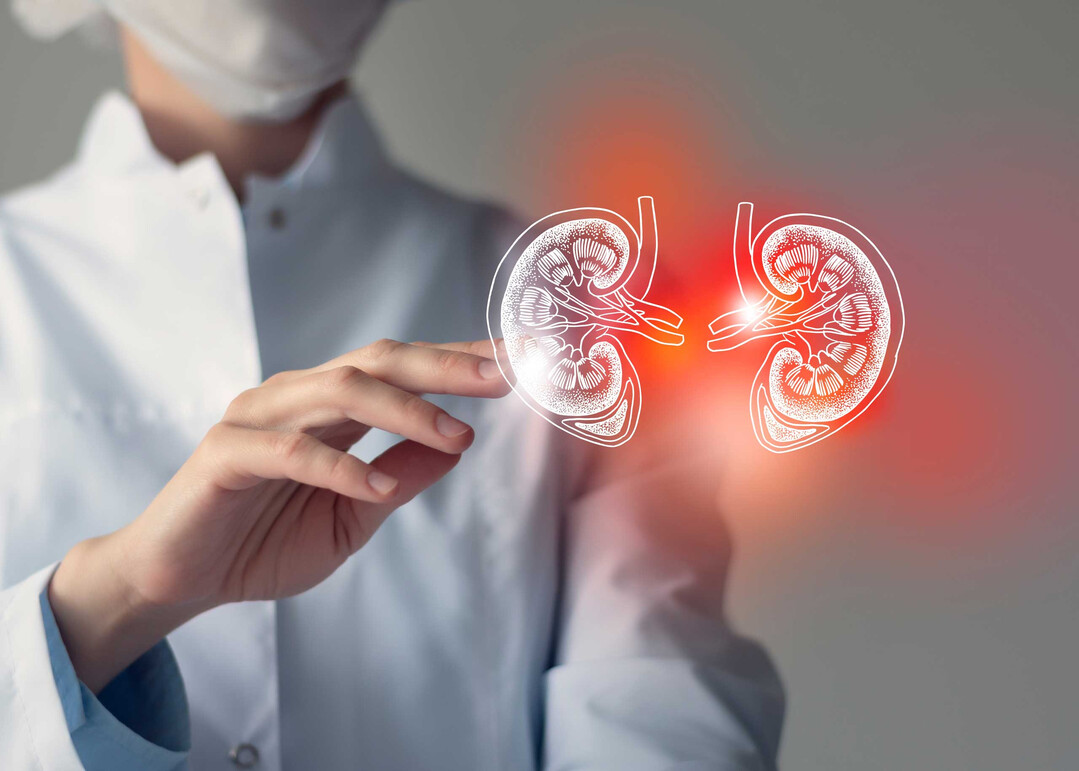
(C) Medeor Hospital
A recent case highlights a critical medical confusion: what feels like a severe flu might actually be a dangerous kidney infection. Mr. A, a 30-year-old office worker, recently sought medical attention after a high fever and chills persisted despite taking over-the-counter antipyretics at home. He initially suspected the prevalent influenza, but after several tests, he was ultimately diagnosed with Pyelonephritis, an upper urinary tract infection, and prescribed antibiotics.
Understanding Pyelonephritis: More Than Just a Cold
Pyelonephritis occurs when bacteria invade the kidney and renal pelvis. It typically starts with E. coli bacteria entering the urinary tract through the urethra and causing inflammation, often in the bladder first (cystitis). The risk of infection significantly increases when the immune system is weakened due to stress or overwork. While E. coli is the most common culprit, other bacteria like Klebsiella, Proteus, and Enterococcus are also major causes.
Key symptoms often mimic the flu, including high fever and chills, but a distinguishing feature is the almost complete absence of respiratory symptoms like coughing. Crucially, patients often experience pain in the flank or back area, discomfort during urination (dysuria), cloudy urine, or even blood in the urine (hematuria).
Higher Risk for Women and Lifestyle Factors
Medical experts note that pyelonephritis is significantly more common in women. This is attributed to the fact that the female urethra is shorter and closer to the anus than in men, making it easier for bacteria to enter the urinary tract.
Furthermore, lifestyle choices can exacerbate the risk. Wearing tight-fitting underwear or jeans that restrict ventilation can promote bacterial growth, leading to cystitis, which can then ascend and worsen into pyelonephritis if left untreated.
The Danger of Delayed Treatment
Unlike a common cold, pyelonephritis will not naturally resolve with rest and fever reducers. Experts strongly advise seeking proper treatment, which almost always involves antibiotics.
Dr. Yoon Jin-goo, a professor in the Division of Infectious Diseases at Korea University Guro Hospital, stressed the urgency. "Pyelonephritis is not a disease that recovers naturally like a cold; antibiotic treatment is almost always essential," he stated. "If left untreated, the inflammation can worsen, leading to serious complications such as sepsis or kidney damage. Therefore, early diagnosis and appropriate antibiotic treatment are crucial when symptoms are suspected."
Failing to treat the infection promptly can lead to life-threatening complications, including chronic pyelonephritis, sepsis, and kidney failure. Furthermore, the risk of recurrence is high.
To prevent the infection, individuals should drink plenty of water and avoid the habit of holding urine for extended periods.
[Copyright (c) Global Economic Times. All Rights Reserved.]