![[등록] 2026-09-01 15:48:31](/support/_updata/banner2/tl181982910_6749.png)


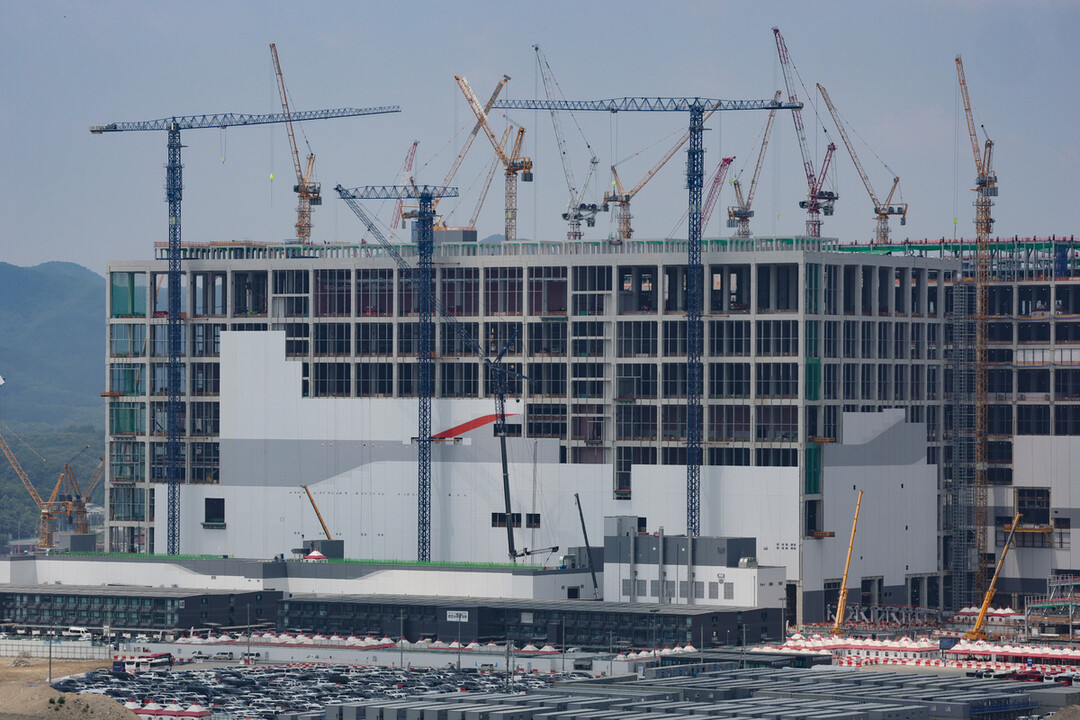
South Korea has officially unveiled a landmark restructuring of its national industrial electricity pricing system, introducing regional rate differentiation to reward power-producing regions and encourage corporate decentralization away from the capital area.
New Regional Industrial Electricity Scheme During a public hearing held by the Ministry of Climate, Energy, and Environment at the Korea Electric Power Corporation (KEPCO) Nambu Seoul Headquarters, authorities announced a tiered pricing structure that accounts for local power self-sufficiency, balanced regional growth, and transmission costs.
The country is divided into four pricing zones: The Southern Region (including Honam) receives a 7% to 10% rate reduction (13–18 KRW/kWh), while the Central Region gets 5–8%, and Northern Capital Region 3–8%. The Southern Capital Region remains virtually unchanged.
Massive Relief for the Honam Semiconductor Cluster This policy is expected to significantly boost the upcoming Honam semiconductor cluster at the Gwangju military airport site. With four major fabs projected to consume ~55.19 TWh annually, total electricity costs would approach 10.04 trillion KRW under previous averages. The 10% discount yields estimated annual savings between 700 billion and 1 trillion KRW, dramatically enhancing regional industrial competitiveness.
Industry Acclaim and Structural Skepticism Major business federations and industrial associations welcomed the move, emphasizing its potential to curb corporate overhead, stimulate regional investments, and foster balanced growth. However, energy experts caution that electricity rates alone may not drive corporate relocation unless accompanied by robust infrastructure, tax incentives, and regulatory support. Furthermore, KEPCO faces an estimated annual revenue shortfall of up to 3 trillion KRW, raising ongoing debates regarding utility fiscal stability.
[Copyright (c) Global Economic Times. All Rights Reserved.]