• 2025.12.11 (Thu)
  • All articles
  • LOGIN
  • JOIN
Global Economic Times
APEC2025KOREA가이드북
  • Synthesis
  • World
  • Business
  • Industry
  • ICT
  • Distribution Economy
  • Well+Being
  • Travel
  • Eco-News
  • Education
  • Korean Wave News
  • Opinion
  • Arts&Culture
  • Sports
  • People & Life
  • Column
    • Cho Kijo Column
    • Lee Yeon-sil Column
    • Ko Yong-chul Column
    • Cherry Garden Story
  • Photo News
  • New Book Guide
MENU
 
Home > Distribution Economy

South Korea's 2nd-Tier Lenders See Surge in Loans Amidst Tightening Credit

ONLINE TEAM / Updated : 2024-11-11 06:45:37
  • -
  • +
  • Print


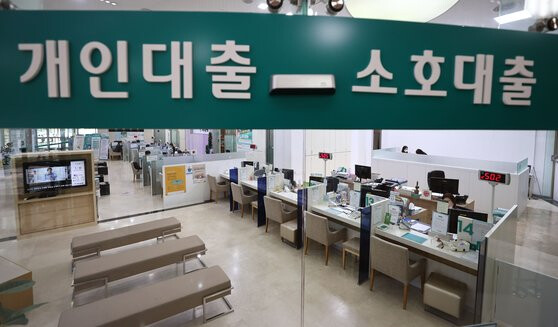
Seoul, South Korea - South Korea's second-tier lenders, including credit card companies, savings banks, and insurance companies, have reported a significant surge in loans over the past month. This surge is attributed to a "balloon effect" where borrowers, facing tighter lending conditions from major banks, are turning to these alternative lenders for credit.

According to financial industry sources, credit card loans, cash advances, and personal loans offered by credit card and capital companies increased by more than KRW 900 billion (approximately USD 675 million) last month. Savings banks also saw a surge in personal loans, with an increase of KRW 400 billion. Notably, insurance policy loans, often considered a sign of economic hardship, grew by around KRW 300 billion.

The combined increase of over KRW 1.5 trillion in loans from second-tier lenders is the largest since July 2021, when there was a surge in demand for loans due to public offerings of shares.

Factors Driving the Surge

Tightening credit conditions at major banks: As major banks have tightened their lending standards to comply with regulatory measures and manage risk, borrowers have sought alternative sources of credit.
Aggressive marketing by second-tier lenders: In an effort to capture market share, credit card and capital companies have been more aggressive in their lending practices, offering more flexible terms and lower interest rates.
Economic hardship: The economic downturn has led to increased demand for credit among individuals and small businesses.
Regulatory Response

Concerned about the potential risks associated with the rapid growth of lending at second-tier lenders, the financial authorities are stepping up their oversight. The Financial Supervisory Service (FSS) is conducting on-site inspections of savings banks and agricultural cooperatives this week to assess their lending practices and ensure compliance with regulations. The FSS will pay particular attention to large-scale loans for residential complexes.

Implications

The surge in lending at second-tier lenders raises concerns about potential risks to the financial system, such as increased household debt and a higher risk of loan defaults. The financial authorities will need to carefully monitor the situation and take appropriate measures to mitigate these risks.

[Copyright (c) Global Economic Times. All Rights Reserved.]

ONLINE TEAM
ONLINE TEAM
Reporter Page

Popular articles

  • Seoul Prosecution Joint Investigation Team Clears 'Drug Probe External Pressure' Allegations, Sparking Fierce Backlash from Police Superintendent

I like it
Share
  • Facebook
  • X
  • Kakaotalk
  • LINE
  • BAND
  • NAVER
  • https://globaleconomictimes.kr/article/1065563083510890 Copy URL copied.
Comments >

Comments 0

Weekly Hot Issue

  • Won-Dollar Exchange Rate Rises to 7-Month High: South Korean Authorities Scramble to Stabilize Currency as Overseas Investment Surges
  • South Korea Confirmed as Co-Host of 2028 UN Ocean Conference (UNOC)
  • Netflix Stock Plummets 10% on Credit Downgrade Fears Following Blockbuster Warner Bros. Acquisition
  • Tech Tensions Flare: DeepSeek Allegedly Smuggles Banned NVIDIA Blackwell Chips for New AI Model
  • From Court to Content: French Tennis Star Océane Dodin Trades Racquet for OnlyFans, Eyes $5M in a Year
  • Alibaba's AI Ascent: Stock Soars 70% as Tech Giant Pivots Beyond E-commerce

Most Viewed

1
Korean War Ally, Reborn as an 'Economic Alliance' Across 70 Years: Chuncheon's 'Path of Reciprocity,' a Strategic
2
A Garden Where the City's Rhythm Stops: Dongdaemun's 'Cherry Garden', Cooking Consideration and Diversity
3
The Sudden Halt of Ayumi Hamasaki's Shanghai Concert: Unpacking the Rising Sino-Japanese Tensions
4
Alliance in a Dilemma: The Fallout of Trump's Advice to Takaichi Not to 'Provoke Taiwan' 
5
The Paradox of the 'Juvenile Offender' (Chokbeop Sonyeon): Impunity or Unfinished Rehabilitation?
광고문의
임시1
임시3
임시2

Hot Issue

Tech Tensions Flare: DeepSeek Allegedly Smuggles Banned NVIDIA Blackwell Chips for New AI Model

Samsung SDI Secures Multi-Trillion Won LFP Battery Deal, Marking Full-Scale Entry into US ESS Market

Netflix Stock Plummets 10% on Credit Downgrade Fears Following Blockbuster Warner Bros. Acquisition

LG Innotek Develops Eco-Friendly Next-Gen Smart IC Substrate, Reducing Carbon Emissions by Half

Let’s recycle the old blankets in Jeju Island’s closet instead of incinerating them.

Global Economic Times
korocamia@naver.com
CEO : LEE YEON-SIL
Publisher : KO YONG-CHUL
Registration number : Seoul, A55681
Registration Date : 2024-10-24
Youth Protection Manager: KO YONG-CHUL
Singapore Headquarters
5A Woodlands Road #11-34 The Tennery. S'677728
Korean Branch
Phone : +82(0)10 4724 5264
#304, 6 Nonhyeon-ro 111-gil, Gangnam-gu, Seoul
Copyright © Global Economic Times All Rights Reserved
  • 에이펙2025
  • APEC2025가이드북TV
  • 독도는우리땅
Search
Category
  • All articles
  • Synthesis
  • World
  • Business
  • Industry
  • ICT
  • Distribution Economy
  • Well+Being
  • Travel
  • Eco-News
  • Education
  • Korean Wave News
  • Opinion
  • Arts&Culture
  • Sports
  • People & Life
  • Column 
    • 전체
    • Cho Kijo Column
    • Lee Yeon-sil Column
    • Ko Yong-chul Column
    • Cherry Garden Story
  • Photo News
  • New Book Guide
  • Multicultural News
  • Jobs & Workers