![[등록] 2026-09-01 15:48:31](/support/_updata/banner2/tl181982910_6749.png)


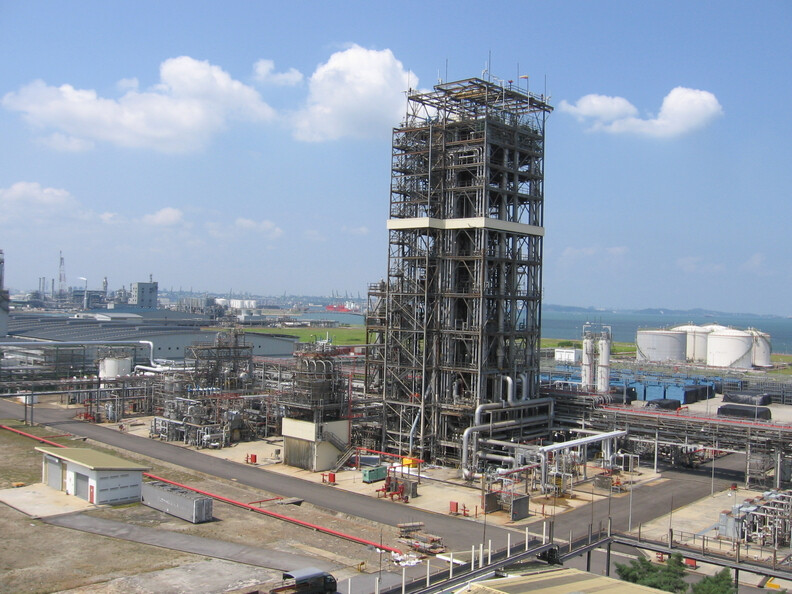
U.S. petrochemical giant Chevron Phillips Chemical Co. (CPChem) has officially announced the sale of its entire Singapore business unit to Aster Chemicals & Energy. The transaction includes a high-density polyethylene (HDPE) resin plant with an annual production capacity of 430,000 tons. The sale price has not been disclosed.
This decision is analyzed as a significant shift in CPChem's strategy for the Asian market. CPChem has been supplying HDPE products to the region through its Singapore plant; however, this sale indicates a withdrawal from this business and a focus on securing other growth engines.
The buyer, Aster Chemicals & Energy, is a Singapore-based petrochemical and energy company. This acquisition will allow Aster to strengthen its polyethylene business portfolio and expand its presence within the Asian market. In particular, securing CPChem's existing customer network and production facilities could lead to an increase in market share in the short term.
CPChem's Singapore business unit is located on Jurong Island and includes not only the HDPE production plant but also related logistics and auxiliary facilities. The plant, which has been in operation since 1997, has served as a major HDPE supply base for the Asian region, securing a broad customer base across various industries.
Regarding the sale, CPChem stated, "This transaction is part of a strategic decision to optimize our global asset portfolio and focus on our long-term growth strategy." The company added, "We are confident that Aster Chemicals & Energy will successfully operate and develop the Singapore business unit."
On the other hand, Aster Chemicals & Energy commented, "This acquisition marks a significant milestone in our growth strategy." The company further stated, "By securing CPChem's excellent production facilities and skilled workforce, we expect to grow into a more competitive player in the Asian market." Aster also emphasized its commitment to maintaining relationships with existing customers and exploring new growth opportunities.
This sale reflects a trend of business restructuring among global petrochemical companies in response to intensifying competition and market changes. While the Asian market holds high growth potential, it also faces various challenges, including fierce competition and regulatory changes. Consequently, global chemical companies are increasingly focusing on their strengths and core competencies, and divesting non-core assets to enhance efficiency.
HDPE is a versatile resin widely used as a raw material for various plastic products such as pipes, films, and containers. Singapore is a major petrochemical hub in Southeast Asia, with a large-scale petrochemical complex centered on Jurong Island. Leveraging its geographical advantages and infrastructure, Singapore's petrochemical industry plays a crucial role in the region.
The sale of CPChem's Singapore HDPE plant is expected to have some impact on the Singaporean petrochemical industry. However, with Aster Chemicals & Energy taking over the business, major disruptions in production and supply are not anticipated. In fact, active investment and business expansion by Aster could potentially inject new vitality into Singapore's petrochemical industry.
Looking ahead, CPChem is expected to focus its investment on expanding its business in the United States and developing high-value-added chemical products, utilizing the proceeds from this sale. The recent expansion of shale gas development in the U.S. has increased the price competitiveness of petrochemical raw materials such as ethylene, presenting new growth opportunities for U.S. chemical companies, including CPChem.
In conclusion, the sale of CPChem's Singapore HDPE plant can be interpreted not merely as a disposal of assets but as a strategic move to respond to the rapidly changing global market environment and secure a long-term competitive advantage. The industry will be watching closely to see if Aster Chemicals & Energy's acquisition will serve as a stepping stone to strengthen its position in the Asian market, and what new growth engines CPChem will create by leveraging the proceeds from the sale.
[Copyright (c) Global Economic Times. All Rights Reserved.]