![[등록] 2026-09-01 15:48:31](/support/_updata/banner2/tl181982910_6749.png)


- A new 'Troika' emerges in medical tourism: Dermatology, Plastic Surgery, and Pharmacies.
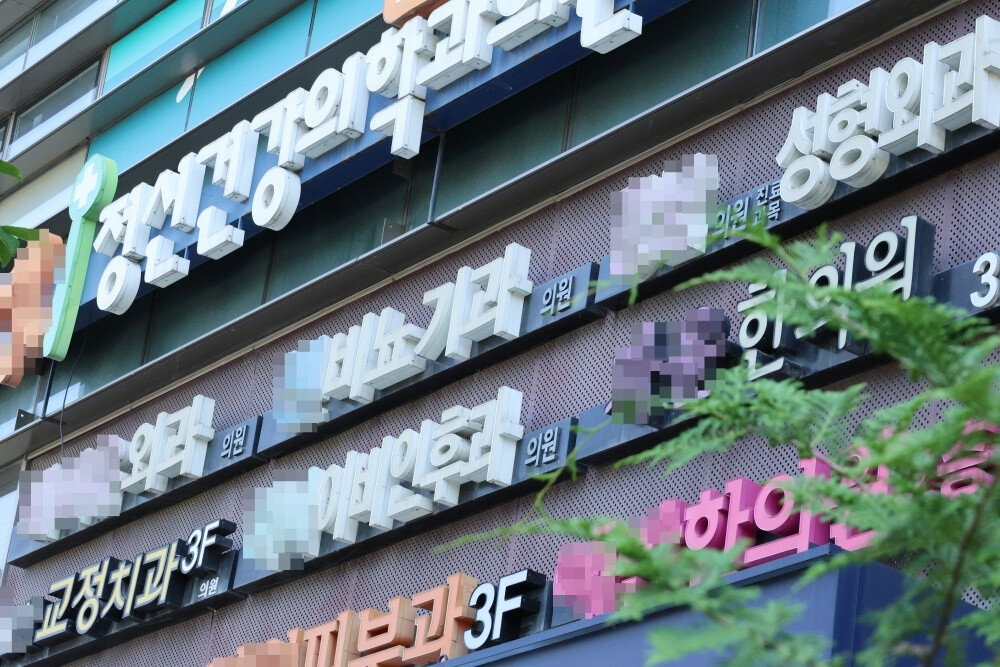
- Over-the-counter items like skin regeneration creams, acne treatments, and traditional pain-relief patches fuel the retail boom.
SEOUL — Foreign tourists visiting South Korea are rapidly expanding their shopping lists from conventional cosmetics to over-the-counter (OTC) pharmaceuticals. Driven by this surging interest in "K-Medicine," foreign medical expenditure in South Korea reached an all-time high last month, breaking the 250 billion won mark for the first time in history.
According to data released on June 14, 2026, by the Korea Tourism Data Lab under the Korea Tourism Organization (KTO), foreign medical spending in May amounted to 251.15 billion won (approximately USD 181 million). This represents a 0.5% increase from the previous month and a staggering 74.6% surge compared to the same period last year.
This milestone marks the third consecutive month that foreign medical spending in South Korea has surpassed the 200 billion won threshold, showcasing a powerful and sustained upward trajectory. The figure is estimated by aggregating total expenditures based on foreign credit card transaction data.
By nationality, Chinese tourists led the spending with 63.6 billion won. They were followed by visitors from the United States (46.2 billion won), Japan (32.9 billion won), Taiwan (29.7 billion won), and Singapore (14.5 billion won).
Geographically, the vast majority of this spending remained concentrated in the capital city, with Seoul accounting for 88.4%. Busan followed at 5.0%, Gyeonggi Province at 3.1%, and Jeju Island at 2.0%.
The Birth of a New 'Troika' in Medical Tourism
Industry analysts attribute this exponential growth to a fundamental structural shift in the medical tourism market. While dermatology and plastic surgery have traditionally dominated the sector, local pharmacies have rapidly emerged as a major pillar, establishing a new "Troika" system in foreign medical consumption.
In May, dermatology maintained the largest share of foreign medical spending at 57.8%, followed by plastic surgery at 18.0%. Strikingly, pharmacies secured the third spot at 12.9%, outperforming major university/general hospitals (5.3%), dental clinics (3.4%), and ophthalmology clinics (1.4%).
The rapid ascent of pharmacies is particularly noteworthy. In January last year, pharmacies accounted for a meager 4.9% of the market share, overshadowed by dermatology (50.8%) and plastic surgery (27.3%). However, the sector broke through the 10% barrier in January this year and climbed to its record-high share of 12.9% last month.
More impressively, pharmacies accounted for a whopping 69.8% of the total number of foreign medical transactions last month. This means nearly seven out of every ten medical-related card swipes by foreign tourists occurred at a pharmacy cash register.
Bulk Buying and Unattended Money Changers at Pharmacies
The shifting landscape is highly visible on the streets of Seoul’s major tourist districts, such as Hongdae and Myeongdong. Pharmacies in these areas are increasingly adopting features typically seen in major fashion retail stores or health and beauty chains.
At a pharmacy near the Hongik University Station exit in Mapo-gu, Seoul, an automated kiosk stands prominently at the entrance. "We recently installed an unattended money changer because of the steady rise in foreign customers," the chief pharmacist explained. Inside, product labels and descriptions are prominently displayed in multiple languages, including English and Chinese.
"An increasing number of overseas tourists come here to buy specific products that aren't sold at nearby beauty franchise stores, such as artificial teardrops, acne ointments, and Antiphlamin (a traditional Korean medicated pain-relief patch)," the pharmacist added. "Many show us photos on their smartphones, and we frequently see 'big spenders' buying hundreds of thousands of won worth of medicine at once."
A similar scene unfolded at a large pharmacy in the Myeongdong underground shopping center, where foreign visitors were seen filling large shopping bags with medical-grade mask packs and skin regeneration creams. Some tourists were on video calls, broadcasting the shelves to friends and family back home to take custom orders.
"It has become completely normal to see tourists clearing out shelves and spending upwards of 400,000 won (approx. USD 290) on popular medicines to take home as gifts before leaving the country," said a Chinese-speaking clerk working at the Myeongdong store.
Diversifying Marketing and Promoting Regional Expansion
In response to these evolving consumption patterns, the Korea Tourism Organization plans to diversify its marketing strategies tailored to the unique behaviors of different nationalities to further boost medical tourism.
Furthermore, the government is actively working to decentralize the heavily Seoul-centric medical tourism traffic. To encourage foreign patients and shoppers to explore other regions, the KTO has formed specialized medical tourism councils in cooperation with regional municipalities, including Busan and Goyang City in Gyeonggi Province.
By leveraging the global popularity of Korean healthcare products alongside advanced clinical procedures, South Korea aims to solidify its position as a comprehensive, world-class medical and wellness tourism destination.
[Copyright (c) Global Economic Times. All Rights Reserved.]