![[등록] 2026-09-01 15:48:31](/support/_updata/banner2/tl181982910_6749.png)


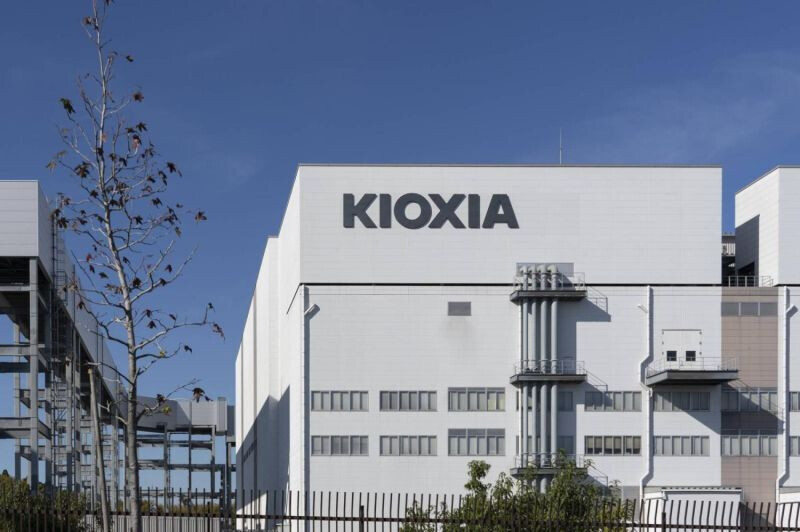
TOKYO — In an extraordinary turn of events that has captured the attention of the Japanese financial market, approximately 600 employees at Kioxia Holdings, the nation's leading NAND flash memory manufacturer, have seen their personal wealth soar to unprecedented levels. Following a massive surge in the company's stock price, driven by the global artificial intelligence (AI) infrastructure boom, these employees are now estimated to hold equity worth more than 1 billion yen (approximately $6.7 million) each.
This remarkable windfall traces back to 2018, when Kioxia, formerly known as Toshiba Memory, was acquired by a consortium led by the U.S.-based private equity firm Bain Capital. Unlike typical Japanese corporate practices where stock-based compensation is reserved exclusively for high-level executives, Bain Capital took the unconventional step of distributing stock options to rank-and-file employees as part of its strategy to incentivize key personnel.
According to reports from the Nihon Keizai Shimbun, roughly 600 employees received a combined total of approximately 7 million shares. Since the company’s successful listing on the Tokyo Stock Exchange in December 2024, its stock price has experienced explosive growth. Bolstered by the sustained demand for memory chips in AI data centers, Kioxia’s share price reached an intra-day high of 112,700 yen on June 22, 2026.
Based on these valuations, analysts estimate the total unrealized gains for these employees to be approximately 778 billion yen. Assuming these individuals have retained their holdings, this equates to a pre-tax valuation gain exceeding 1 billion yen per person. This scenario is highly atypical in Japan, where such large-scale equity participation for regular staff is rare, contrasting sharply with the more common equity-compensation models seen in the United States.
The company’s executive leadership has also benefited significantly from this upward trend. Kioxia Holdings Executive Chairman Stacy Smith reported total remuneration of 4.431 billion yen for the 2025 fiscal year—a 15-fold increase from the previous year—largely due to performance-linked stock compensation packages.
Kioxia’s financial performance has mirrored its stock market success. The company has set record highs for both revenue and net profit for two consecutive years, with projections indicating a continued upward trajectory. This success has propelled Kioxia to the top of Japan's market capitalization rankings, momentarily surpassing industry titans like Toyota Motor Corporation.
As the semiconductor industry navigates the complexities of the AI era, Kioxia’s success serves as a compelling case study on the impact of equity-based incentives in driving employee engagement and corporate growth in the Japanese labor market. While volatile, the company’s trajectory underscores the transformative potential of the current semiconductor cycle.
[Copyright (c) Global Economic Times. All Rights Reserved.]