![[등록] 2026-09-01 15:48:31](/support/_updata/banner2/tl181982910_6749.png)


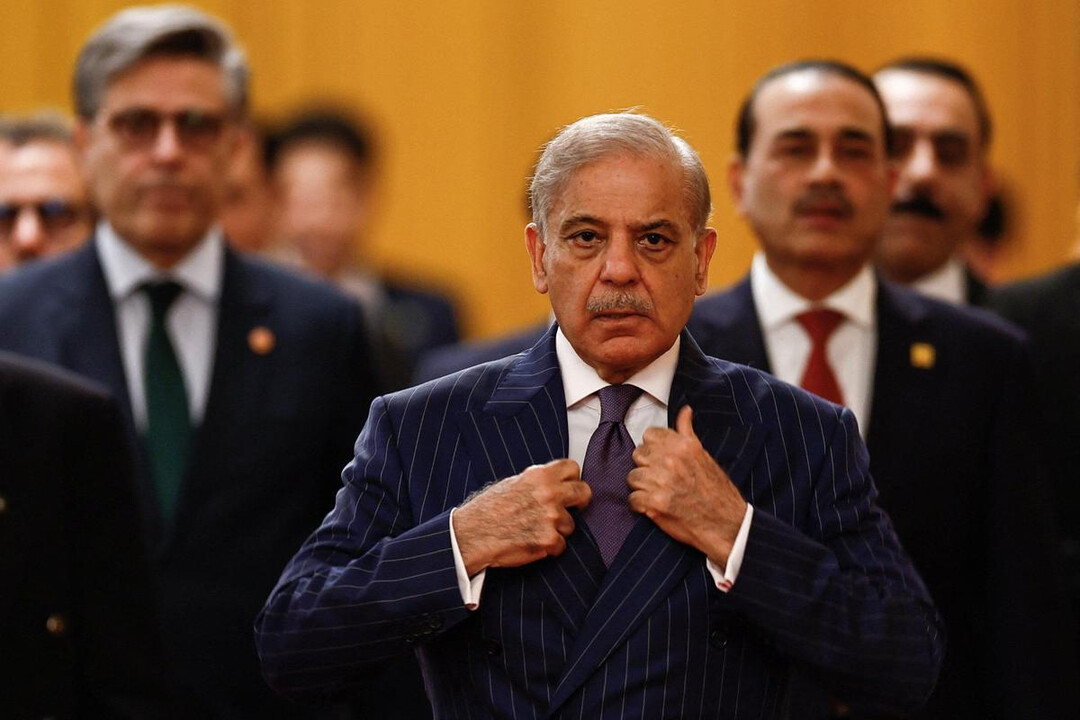
ISLAMABAD — In what could be a monumental turning point for global diplomacy and Middle Eastern stability, Pakistani Prime Minister Shehbaz Sharif announced on Saturday that a definitive peace agreement between the United States and Iran is expected to be finalized within the next 24 hours.
Prime Minister Sharif, who has been actively mediating the high-stakes negotiations to end decades of hostility between Washington and Tehran, revealed that both nations are currently preparing for an immediate electronic signing of the historic peace accord.
"We are closer to a peace agreement than ever before," Sharif stated in a detailed message posted on the social media platform X (formerly Twitter) on June 13. He added that following the impending signing, "working-level consultations are scheduled to take place next week" to iron out the technical implementation of the pact.
The announcement has sent shockwaves through international diplomatic circles, offering a glimmer of hope for the resolution of one of the world's most volatile and enduring geopolitical standoffs. For years, relations between the U.S. and Iran have been defined by crippling economic sanctions, regional proxy conflicts, and deep-seated ideological friction. Pakistan’s successful mediation marks a significant diplomatic triumph for Islamabad, positioning the South Asian nation as a critical peacemaker on the global stage.
In his public statement, Prime Minister Sharif expressed deep gratitude to the leadership of both the United States and the Islamic Republic of Iran for their unwavering commitment to the dialogue. "I would like to express my sincere appreciation to the United States and Iran for their continuous efforts demonstrated throughout the negotiation process," Sharif wrote.
Furthermore, the Prime Minister extended his gratitude to neighboring nations in the region, acknowledging their constructive role in fostering an environment conducive to dialogue. "My heartfelt thanks also go out to our brotherly nations in the region. We are fully confident that this historic peace agreement will serve as a robust and sustainable foundation for lasting peace in the region and beyond," he emphasized.
While the specific clauses of the agreement have not yet been fully disclosed to the public, diplomatic sources suggest that the upcoming working-level talks next week will focus on a phased timeline for sanctions relief, security guarantees, and mechanisms to ensure regional non-aggression. The mention of an "electronic signature" underscores the urgency and the highly digitalized coordination of modern international diplomacy, allowing both Washington and Tehran to formalize the truce without the immediate logistical delays of a physical summit.
Global markets have already begun reacting to the news, with oil prices showing signs of stabilization in anticipation of Iran's potential reintegration into the formal global economy. Political analysts note that if the treaty is successfully signed and maintained, it could drastically reshape alliances in the Middle East, paving the way for unprecedented economic cooperation and a reduction in military brinkmanship.
However, experts also warn that the true test of the accord lies in its execution. The subsequent working-level consultations will be vital in addressing potential resistance from hardline factions within both countries, as well as skepticism from traditional regional allies.
As the 24-hour countdown begins, the international community remains intensely focused on Islamabad, Washington, and Tehran, waiting to see if this diplomatic breakthrough will indeed translate into a permanent era of coexistence.
[Copyright (c) Global Economic Times. All Rights Reserved.]