![[등록] 2026-09-01 15:48:31](/support/_updata/banner2/tl181982910_6749.png)


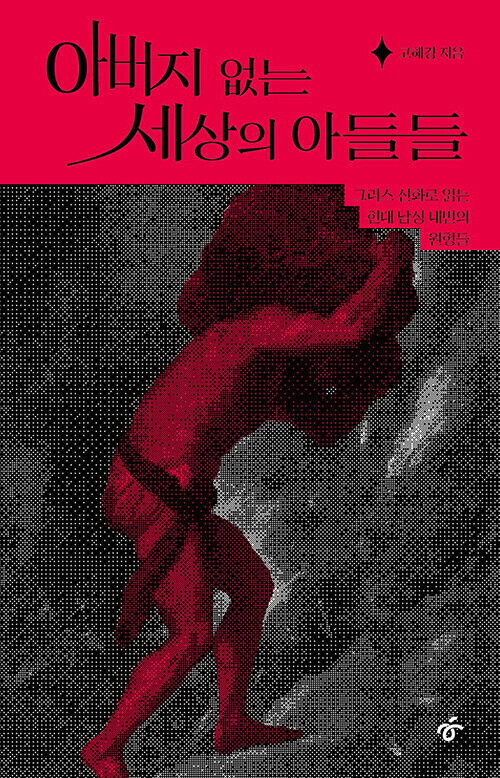
The digital landscape has become a breeding ground for a troubling paradox. While society moves toward greater equality, online communities are witnessing a surge in extreme misogyny, mirrored by a rise in rigid conservatism and aggressive behavior among young men. This is not merely a local trend in South Korea; it is a global phenomenon.
In her provocative new book, "Sons of a Fatherless World" (published by Hankyoreh Publishing), mythologist Professor Ko Hye-kyung explores the roots of this unrest through the lens of ancient narratives and Jungian psychology. She argues that we are witnessing the fallout of a "collapsing patriarchy"—a shift that has left many young men feeling untethered and defensive.
The Mythological Void
Professor Ko posits that the "Father" in mythology represents more than just a biological parent; he represents the guiding principle of structure, initiation, and the healthy integration of power. As traditional patriarchal structures crumble under the weight of social progress and economic instability, they have not yet been replaced by a healthy alternative.
Instead, we are left with a "fatherless" vacuum. Without positive archetypes or meaningful rites of passage, the energy of young masculinity often curdles into what Ko describes as a "wounded or shadow masculinity." This manifests as:
Reactive Misogyny: A defense mechanism against a perceived loss of status.
Extreme Conservatism: A nostalgic longing for an idealized, rigid past that offers a sense of security.
Performative Violence: An attempt to reclaim "manhood" through digital or physical aggression.
Facing the Shadow
The book does not merely critique young men; it invites them to "squarely face their own masculinity." Ko suggests that the current toxicity is a symptom of deep-seated psychological displacement. By looking at myths—where sons must often overcome the "devouring" or "absent" father to find their own soul—she provides a map for modern men to navigate their identity without resorting to hate.
A Global Challenge
From the "Manosphere" in the West to the "Idonam" (men in their 20s) phenomenon in South Korea, the symptoms are remarkably consistent. The digital world has localized these frustrations, creating echo chambers that reward radicalization. Ko’s work suggests that the solution isn't just "fixing" men through policy, but providing a new cultural "mythos" that allows for a masculinity that is both strong and empathetic.
"Sons of a Fatherless World" serves as a timely intervention. It challenges readers to move beyond the surface-level politics of gender wars and look into the deeper, archetypal struggle of a generation searching for its place in a world that no longer looks like their fathers'.
[Copyright (c) Global Economic Times. All Rights Reserved.]