• 2026.01.01 (Thu)
  • All articles
  • LOGIN
  • JOIN
Global Economic Times
APEC2025KOREA가이드북
  • Synthesis
  • World
  • Business
  • Industry
  • ICT
  • Distribution Economy
  • Well+Being
  • Travel
  • Eco-News
  • Education
  • Korean Wave News
  • Opinion
  • Arts&Culture
  • Sports
  • People & Life
  • Column
    • Cho Kijo Column
    • Lee Yeon-sil Column
    • Ko Yong-chul Column
    • Cherry Garden Story
  • Photo News
  • New Book Guide
MENU
 
Home > ICT

TSMC Officially Enters Mass Production for Cutting-Edge 2nm Chips

Ana Fernanda Reporter / Updated : 2026-01-01 05:32:14
  • -
  • +
  • Print

(C) Mathrubhumi

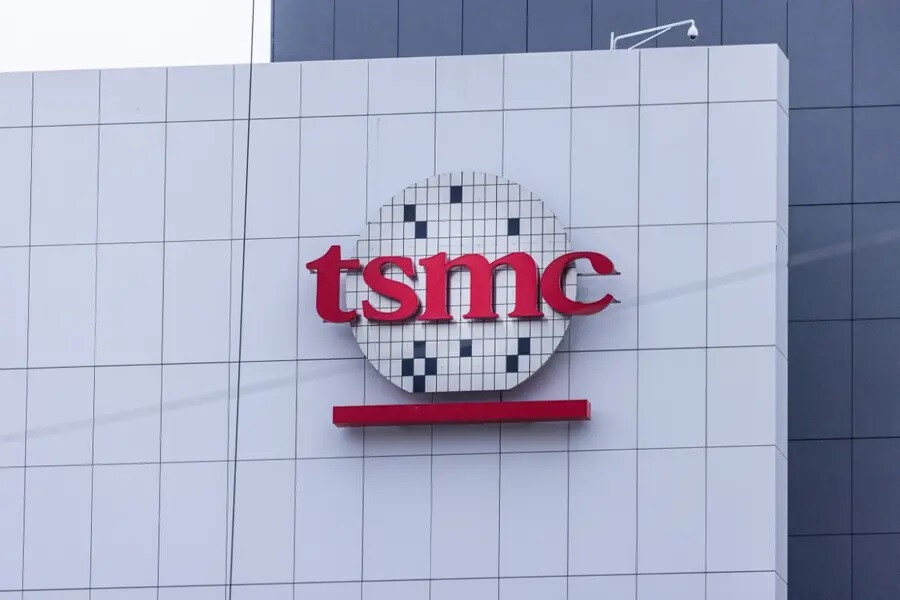
HSINCHU, Taiwan – TSMC, the world’s leading semiconductor foundry, officially announced on December 31, 2025, that it has commenced mass production of its highly anticipated 2-nanometer (nm) process technology. This move solidifies the company’s dominance in the global chip market as the race for AI supremacy intensifies.

A "Quantum Leap" in Semiconductor Efficiency
According to an official statement released on TSMC’s website, the 2nm (N2) technology successfully entered mass production in the fourth quarter of 2025, meeting the company’s original timeline. TSMC described the N2 process as a "full-node leap" in performance and power efficiency, specifically engineered to meet the soaring demand for energy-efficient computing in Artificial Intelligence (AI) and mobile applications.

The 2nm chips are being manufactured at Fab 22, located in Kaohsiung, Taiwan. Compared to the current N3E (3nm) process, the new 2nm technology offers:

Performance: A 10–15% increase in speed at the same power level.
Efficiency: A 25–30% reduction in power consumption at the same speed.
Density: An increase in transistor density of more than 15%.

Securing the AI Value Chain
While TSMC hinted at the imminent rollout during its Q3 earnings call in October, this statement marks the first official confirmation of the production start date. Industry analysts suggest that major tech giants, including Apple and NVIDIA, are likely the primary customers for the initial 2nm batches as they look to upgrade data centers and next-generation consumer devices.

The timing is critical. According to market research firm Gartner, global AI-related spending is projected to reach $1.5 trillion in 2025 and surpass $2 trillion by 2026, accounting for nearly 2% of the global GDP. As the sole provider capable of manufacturing these sophisticated chips at scale, TSMC is positioned to remain the largest beneficiary of this investment wave.

Looking Ahead: 2026 and Beyond
TSMC is not resting on its laurels. The company confirmed it is already developing N2P, an enhanced version of the 2nm node, with mass production scheduled for the second half of 2026. This roadmap ensures that TSMC maintains a significant lead over competitors like Samsung Electronics and Intel, who are also vying for leadership in the sub-2nm era.

[Copyright (c) Global Economic Times. All Rights Reserved.]

  • #Globaleconomictimes
  • #Korea
  • #Seoul
  • #Samsung
  • #LG
  • #Bitcoin
  • #Meta
  • #Business
  • #Economic
  • #The Woori Bank
  • #Elon Musk
Ana Fernanda Reporter

Popular articles

  • China Stride Toward 'Robot Hegemony': From Battle Arena Victories to Musk’s Praise

  • The Era of Private Space Stations: Voyager, Airbus, and Mitsubishi Join Forces for 'Starlab'

  • Netflix Acquires Warner Bros. in $72 Billion Deal, Reshaping Global Content Landscape

I like it
Share
  • Facebook
  • X
  • Kakaotalk
  • LINE
  • BAND
  • NAVER
  • https://globaleconomictimes.kr/article/1065558612720461 Copy URL copied.
Comments >

Comments 0

Weekly Hot Issue

  • "Black Spots Swarming on Eyelashes": 50-Year-Old Man Contracts Parasites After Sexual Contact
  • ROK Defense Ministry Unveils "Semi-Fourth Branch" Plan: Marine Corps Commandant to be Promoted to Four-Star General
  • From Craft Brews to Modern Traditions: The Bold Vision of Seoul Brewery
  • Chung Myung-whun and KBS Symphony Orchestra Deliver a Message of Humanity in the Heart of Seoul
  • Luxury Polarization: Chanel Surpasses Louis Vuitton as "Heritage" Trumps Trends
  • China Unleashes $9.6 Billion in New Subsidies; Korean Tech and Auto Giants on High Alert

Most Viewed

1
Return Home After a Long Wait… 82 Sakhalin Koreans Return for Permanent Settlement via Donghae Port
2
"How can we save?" Young Koreans struggle with rising living costs and stagnant income.
3
South Korea's Foreign Workforce Hits 1.1 Million Milestone
4
GS25 Retains Operating Rights for "Gold Mine" Convenience Stores at Jamsil Baseball Stadium
5
Moon Jun-hyuk: A 20-Year Journey to the 'Stage of Dreams' – "I Want to Be a Golfer of Hope like Choi Kyoung-ju"
광고문의
임시1
임시3
임시2

Hot Issue

Silicon Valley Exodus: Tech Titans Flee as California Pushes 5% Billionaire Tax

China Unleashes $9.6 Billion in New Subsidies; Korean Tech and Auto Giants on High Alert

JPMorgan Projects Bitcoin to Hit $170,000 as Institutional Adoption Accelerates

Copper Prices Skyrocket 40% in 2025, Marking Best Performance in 16 Years

Let’s recycle the old blankets in Jeju Island’s closet instead of incinerating them.

Global Economic Times
korocamia@naver.com
CEO : LEE YEON-SIL
Publisher : KO YONG-CHUL
Registration number : Seoul, A55681
Registration Date : 2024-10-24
Youth Protection Manager: KO YONG-CHUL
Singapore Headquarters
5A Woodlands Road #11-34 The Tennery. S'677728
Korean Branch
Phone : +82(0)10 4724 5264
#304, 6 Nonhyeon-ro 111-gil, Gangnam-gu, Seoul
Copyright © Global Economic Times All Rights Reserved
  • 에이펙2025
  • APEC2025가이드북TV
  • 독도는우리땅
Search
Category
  • All articles
  • Synthesis
  • World
  • Business
  • Industry
  • ICT
  • Distribution Economy
  • Well+Being
  • Travel
  • Eco-News
  • Education
  • Korean Wave News
  • Opinion
  • Arts&Culture
  • Sports
  • People & Life
  • Column 
    • 전체
    • Cho Kijo Column
    • Lee Yeon-sil Column
    • Ko Yong-chul Column
    • Cherry Garden Story
  • Photo News
  • New Book Guide
  • Multicultural News
  • Jobs & Workers