![[등록] 2026-09-01 15:48:31](/support/_updata/banner2/tl181982910_6749.png)


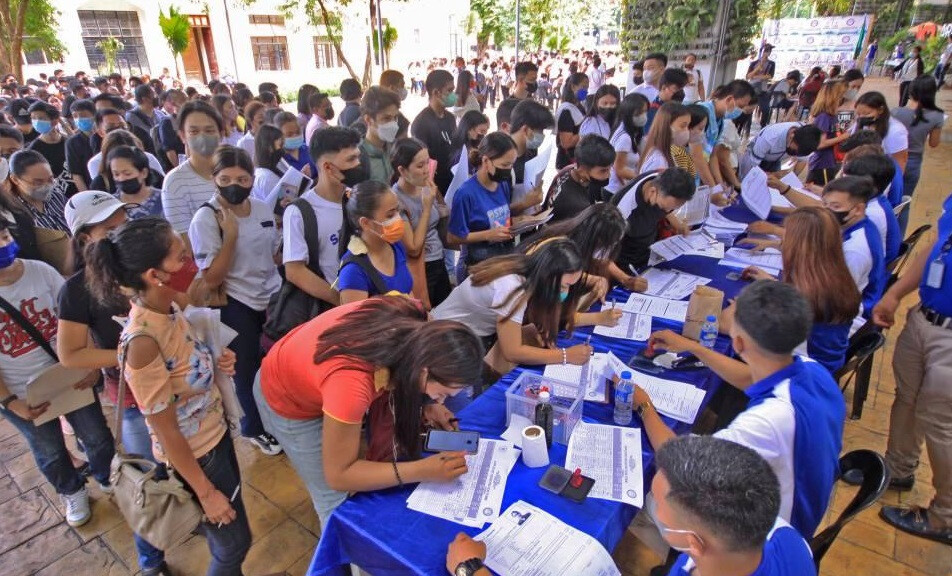
MANILA, Philippines – The Philippine Bureau of Local Employment (BLE) announced on Wednesday, July 9, that over 2.6 million job seekers have successfully found employment through local Public Employment Service Offices (PESOs) nationwide since 2024. This is interpreted as a positive indicator of the revitalization of the Philippine labor market.
BLE Director Patrick Patriwirawan stated in the "Bagong Pilipinas Ngayon" briefing, "A total of 2.6 million job seekers successfully found employment through PESOs." He emphasized that PESOs have shown a high placement rate of approximately 94% for job seekers, which attests to the effective performance of PESOs.
Director Patriwirawan also reported that since last year, PESOs have secured 5.7 million job vacancies from employers, and approximately 3 million job seekers have registered with PESOs nationwide. These figures demonstrate that PESOs are faithfully serving as a link between job seekers and businesses.
Role and Functions of PESOs
PESOs are employment service agencies established in all major cities and towns in cooperation with the Philippine Department of Labor and Employment (DOLE). PESOs perform the following key functions:
Job Search Assistance: They provide job information to individuals seeking employment and assist them in finding suitable jobs. They also offer practical help with resume writing and interview preparation.
Job Placement: They connect job seekers with employers to create employment opportunities. They also organize job fairs and recruitment events to facilitate in-person meetings.
Information Hub: They provide comprehensive information on local employment and labor market conditions. This helps job seekers understand current market demands and develop their skills and experience.
Program and Service Referral: They provide information on various employment-related programs and services offered by DOLE and other relevant agencies, and, if necessary, refer individuals to these programs. Examples include vocational training programs and re-employment assistance programs.
Director Patriwirawan explained that there are currently a total of 1,592 PESOs operating nationwide, of which 794 are "institutionalized" PESOs, meaning they have permanent staff, regular budgets, and physical offices. Institutionalized PESOs can provide more stable and systematic services.
Key Characteristics and Challenges of the Philippine Labor Market
While the Philippine labor market has shown positive signs recently, there are still challenges that need to be addressed.
High Youth Unemployment Rate: The Philippines has a relatively high youth unemployment rate, requiring continuous policy efforts to help young people enter the labor market. The role of PESOs is expected to become even more crucial in supporting youth employment.
Skills Mismatch: The mismatch between the skills required by industries and those possessed by job seekers remains a problem. PESOs need to strengthen their links with vocational training institutions to help job seekers acquire the skills needed by the market.
Informal and Non-Regular Employment: The Philippine labor market has a high proportion of non-regular and informal sector employment, necessitating the protection of workers' rights and the expansion of social safety nets. PESOs can contribute to helping these vulnerable groups transition to regular employment and find stable jobs.
Overseas Filipino Workers (OFWs): The Philippines has historically been a country with a high rate of overseas labor migration. PESOs play a role in providing accurate and safe information to job seekers who wish to work abroad, in addition to creating domestic job opportunities.
The successful operation of PESOs is one of the core elements of the employment promotion policies pursued by the Philippine government. The successful employment of over 2.6 million people clearly demonstrates that PESOs are making a significant contribution to improving the quality of life for Filipinos and to the country's economic development. It is expected that PESOs will continue to provide more efficient and accessible employment services, thereby contributing to the stabilization of the Philippine labor market.
[Copyright (c) Global Economic Times. All Rights Reserved.]