For millions of adults crossing the threshold of 40, the ritual of pushing smartphones at arm's length is a familiar frustration. Recently, the prospect of an eye drop promising sharp near-vision simply by instilling a single drop has generated considerable buzz.
While the introduction of pilocarpine-based formulations has triggered a surge of inquiries in ophthalmology clinics, medical experts emphasize the need to separate marketing optimism from clinical reality.
Mechanism, Not Magic: How They Work
A common misconception is that these therapeutics act as a "liquid pair of reading glasses" capable of restoring the eye’s natural focusing lens. In practice, however, they function more like a "drug-induced pinhole."
Presbyopia stems from the gradual hardening and loss of flexibility in the natural crystalline lens. Current pharmacological options do not reverse this aging process. Instead, they constrict the pupil, effectively deepening the eye’s depth of focus—the exact optical principle behind narrowing a camera aperture.
No current medication can structurally restore natural accommodation. Furthermore, over-constriction can backfire; clinical studies indicate that an optimal pupil reduction sits at roughly 30% of baseline size, beyond which contrast sensitivity and visual acuity begin to degrade.
Efficacy and the Global Pipeline
Overseas approvals highlight these treatments as supportive rather than curative tools. A pioneering formula cleared by the U.S. FDA in 2021 demonstrated that 31% of users gained three or more lines of reading-chart improvement (compared to 8% for a placebo), but the therapeutic window lasted only about six hours. That specific formulation has since been discontinued.
Next-generation formulations—featuring lower active concentrations and preservative-free profiles—have extended duration to between eight and ten hours while mitigating initial side effects like headaches and ocular irritation.
The developmental pipeline continues to expand. Newer classes, such as phentolamine 0.75% eye drops designed to target sympathetic pathways and suppress the dilator muscle, aim to reduce ciliary strain.
Safety First: The Crucial Need for Screening
While minor side effects like mild headaches, transient redness, or dim vision usually resolve as patients adapt, nocturnal driving and working in low-light conditions require heightened caution.
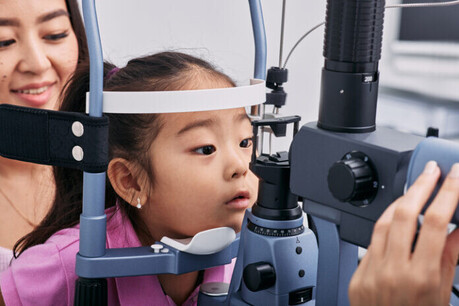
Most importantly, retinal health remains a primary concern. Regulatory documentation in the United States notes rare occurrences of retinal tears and detachments associated with miotic agents, particularly in patients with pre-existing retinal pathologies. Though post-market incidence rates remain below 1%, retrospective analyses suggest elevated relative risks.
Consequently, comprehensive ophthalmic evaluations—specifically including mydriatic fundus examinations—are non-negotiable prerequisites before initiating treatment. Patients are advised to seek immediate medical attention if they experience sudden flashes of light, a surge in floaters, or visual field obstructions.
The Bottom Line
Ultimately, presbyopia eye drops represent a valuable middle ground between corrective eyewear and surgical intervention, rather than a permanent substitute for reading glasses. They offer temporary relief lasting several hours without halting the underlying progression of presbyopia.
For the right candidate determined through professional clinical screening, these drops can significantly enhance daily quality of life. Yet, the governing question for any patient should not merely be how well the drop works, but whether their eyes are medically fit to receive it.
[Copyright (c) Global Economic Times. All Rights Reserved.]