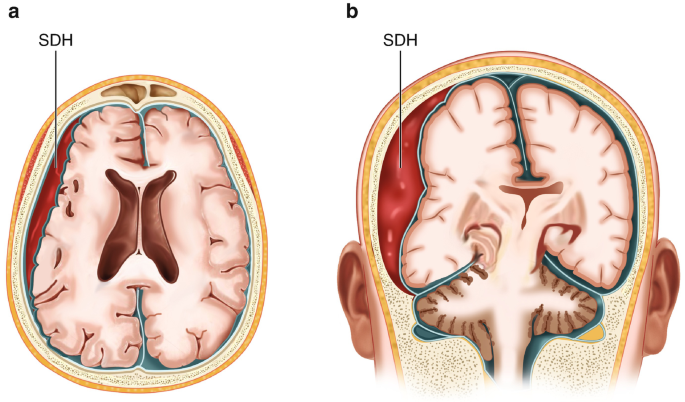
As South Korea officially entered a super-aged society in 2024—with adults aged 65 and older accounting for more than 20% of the population—medical professionals are shedding light on a frequently overlooked geriatric condition: chronic subdural hematoma (cSDH).
Often developing in older adult males even without a significant history of head trauma, cSDH occurs as age-related brain atrophy creates more empty space within the skull. This vulnerability means even minor bumps can trigger a slow bleed. Because symptoms are often subtle or mistaken for normal aging, diagnosis is frequently delayed, leading many to dismiss it as a minor issue.
However, as the volume of hematoma increases, patients can experience gait disturbances, paralysis, and altered states of consciousness. Without timely medical intervention, or even despite treatment, patients may face prolonged bedridden states or fatal outcomes. With cSDH incidence rapidly rising—reported at roughly 17.3 cases per 100,000 individuals and surging sharply after age 85—experts emphasize the urgent need to re-examine how this condition is diagnosed and treated.
1. Paradigm Shift: From Simple Trauma to an "Active Disease"
Traditionally, cSDH was viewed as a straightforward mechanical condition where blood accumulates in the subdural space following head trauma. However, modern ultrastructural and histopathological studies have fundamentally challenged this conventional model.
The most notable realization is that a true "subdural space" does not exist under normal physiological conditions. Instead, hematomas originate in the dural border cell layer (DBC)—the innermost layer of the dura mater, characterized by structurally weak intercellular connections. Consequently, experts increasingly argue that terms like "dural border hematoma (DBH)" or "intradural lesion" far more accurately reflect the true pathophysiology.
Under this modern framework, postoperative recurrence is no longer seen merely as a surgical failure, but as a "biological failure" driven by persistent underlying pathological processes. This paradigm shift has provided the strong theoretical foundation for breakthrough treatments like middle meningeal artery embolization (MMAE).
2. Key Risk Factors
Managing cSDH is complex because a wide array of factors influences patient prognosis and treatment outcomes.
Patient-Related Factors: Advanced age, male gender, brain atrophy, use of anticoagulants or antiplatelet drugs, liver and kidney dysfunction, thrombocytopenia, malnutrition, frailty, low HDL levels, metabolic disorders, and cerebrospinal fluid (CSF) leaks or spontaneous intracranial hypotension.
Hematoma-Related Factors: Bilateral hematomas, large hematoma volume (exceeding 150 mL), mixed or heterogeneous density, and a midline shift greater than 5 mm.
3. Traditional Treatment Approaches
Decisions regarding treatment depend on neurological symptoms, hematoma thickness (over 10 mm), and midline shifts (over 5 mm), traditionally split between conservative management and surgical evacuation.
Conservative Management: Preferred for patients with mild symptoms, particularly high-risk surgical candidates. While medications like statins (atorvastatin) and tranexamic acid are gaining clinical backing, steroids (dexamethasone)—though shown in studies to reduce reoperation rates—worsen 6-functional outcomes and increase adverse effects such as hyperglycemia, infection, and steroid psychosis, limiting their current utility.
Surgical Treatment: Burr-hole craniostomy combined with a closed-system drainage tube remains the standard of care. Landmark randomized trials have proven that using a drain significantly cuts recurrence rates. Nonetheless, recurrence still hovers between 10% and 30% because surgery merely clears existing fluids and inflammatory debris without halting the biological activity of the underlying neo-membrane. This limitation paved the way for mechanism-targeted therapies like MMAE.
4. The Rise and Impact of Middle Meningeal Artery Embolization (MMAE)
MMAE is a minimally invasive endovascular procedure that selectively blocks the branches of the middle meningeal artery supplying blood to the cSDH neo-membrane, effectively halting abnormal angiogenesis.
Procedure: Performed via the femoral or radial artery, taking roughly 30 to 60 minutes, with a technical success rate exceeding 95%.
Mechanism of Action: Cutting off blood supply induces the regression of immature vessels, shrinking the neo-membrane tissue, lowering inflammatory mediators, and reducing vascular permeability to stop fluid influx.
Clinical Efficacy: While pooled analyses of randomized controlled trials indicate that adjunctive MMAE significantly reduces recurrence and progression rates, results across studies remain somewhat heterogeneous depending on patient selection criteria, embolic agents used, and concurrent standard treatments. Currently, MMAE is most strongly recommended for high-risk recurrence groups (such as patients on anticoagulants, those with bilateral lesions, or prior recurrences) or individuals unfit for traditional surgery.
5. The Burden of Recurrence and Cost-Effectiveness
Recurrent cSDH imposes severe clinical and financial burdens. Repeated surgeries spike morbidity rates (ranging widely from 3.0% to 56.8%) and mortality rates (2.7% to 30%), placing immense strain on frail older adults. Furthermore, prolonged hospitalization, repeated imaging, and intensive rehabilitation skyrocket medical costs. Because cSDH can accelerate cerebral atrophy beyond normal aging, a vicious cycle often forms where structural vulnerability and recurrence risk reinforce one another.
From a cost-effectiveness standpoint, MMAE requires advanced equipment, specialized embolic agents, and skilled operators, making its upfront procedural cost higher than burr-hole drainage alone. However, when factoring in the long-term savings of preventing costly re-admissions, re-operations, and extended rehabilitation, targeted patient selection helps balance initial expenses with long-term clinical and economic savings.
6. Future Horizons: Precision Medicine and AI
Ongoing research aims to classify patients into inflammatory-dominant, angiogenesis-dominant, or fibrinolysis-dominant phenotypes using blood and hematoma biomarkers like VEGF, IL-6/IL-8, D-dimer, PAI-1, and MMP-2/9 to build precision medicine strategies.
In addition, machine learning models capable of predicting recurrence with high accuracy from initial CT scans are paving the way for AI-assisted decision support systems. These tools are expected to deliver personalized treatment algorithms combining surgery, MMAE, and conservative care. Combined with novel anti-VEGF pharmacological targets and procedural standardizations, the medical community is redefining cSDH not as a simple mechanical fluid collection, but as a chronically active inflammatory and angiogenic disease requiring a multi-disciplinary, mechanism-oriented approach.
[Copyright (c) Global Economic Times. All Rights Reserved.]