![[등록] 2026-09-01 15:48:31](/support/_updata/banner2/tl181982910_6749.png)



SEOUL — LG Electronics is actively preparing to re-enter the Indian laptop market while simultaneously pulling the plug on its personal computer operations in Brazil. The stark contrast in decisions across two major emerging economies underscores a broader operational shift within the global consumer electronics industry: moving away from raw volume-driven expansion toward rigorous resource allocation dictated by profitability, localized tariff structures, and supply chain realities.
Divergent Paths in Two Key Emerging Economies
According to global tech industry sources, LG Electronics is currently evaluating plans to launch its 2026 flagship AI-enabled laptop lineup, the LG Gram series, in the Indian market. This potential move signals a calculated return to a region where the company had virtually suspended its PC distribution since the second half of 2023.
During late 2023, LG substantially scaled back its shipment of LG Gram laptops to India amidst intensifying offline retail competition from global heavyweights such as Dell, HP, and Lenovo. This retreat coincided with a broader restructuring of LG's Information Technology (IT) business segment, which followed the company's high-profile exit from the global mobile smartphone market. Furthermore, soaring import tariffs tied to the Indian government's aggressive "Make in India" manufacturing mandate exacerbated cost pressures, forcing LG to scale down its operations.
To circumvent these high tariff walls this time around, local industry observers report that LG is considering a localized assembly strategy. Rather than establishing its own greenfield plant, the company is reportedly exploring partnerships with local Electronics Manufacturing Services (EMS) providers to rent factory floor space for final assembly. This contract assembly model would allow LG to qualify for domestic manufacturing incentives while avoiding punitive import duties on fully assembled units.
The initiative highlights LG's keen intent to solidify a foothold in India—the world's most populous nation, a key leader of the Global South, and a market characterized by immense digital adoption potential. However, an LG Electronics spokesperson maintained a cautious stance, stating, "The official release of laptops in the Indian market has not been finalized."
Decisive Exit from the Brazilian Market
In stark contrast to its ambitions in South Asia, LG Electronics has formally wrapped up its PC operations in Latin America's largest economy. Last month, LG completely removed the LG Gram product line from its official Brazilian website and digital retail portals. This step marks the final phase of a withdrawal that began in the second half of 2024, when the company quietly halted active laptop distribution in the country.
Instead of maintaining a low-margin presence in the competitive PC space, LG is redirecting its Latin American IT resources toward higher-margin consumer audio products. LG's audio solutions have enjoyed positive market traction and stronger brand affinity among Brazilian consumers, offering a cleaner path to sustained operational margin.
'Chipplation' and the End of Broad Expansion
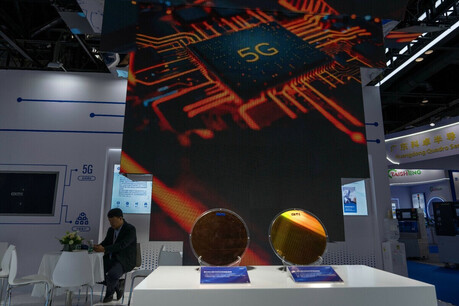
Market analysts emphasize that LG's opposing moves in India and Brazil reflect an overarching imperative to optimize resource allocation amid persistent macroeconomic headwinds. Across the global PC landscape, market share growth has remained sluggish following post-pandemic normalization. At the same time, hardware manufacturers are grappling with severe cost inflation in key components—a phenomenon termed "chipplation"—driven by rising semiconductor prices and elevated costs for advanced memory chips required for AI computing.
Under these squeezed operating margins, global electronics firms can no longer afford to maintain uncompetitive market positions across every geography. Instead, capital and marketing expenditures are being strictly deployed where long-term scale and margin resilience are achievable.
An industry insider noted: "Tariff barriers are rising globally. Companies are forced to bypass high import taxes through localized manufacturing in high-potential markets, while simultaneously pulling out of low-margin regions. This marks a structural transition in emerging market strategy from aggressive volume growth to strict profitability-driven optimization."
[Copyright (c) Global Economic Times. All Rights Reserved.]