• 2026.11.27 (Fri)
  • All articles
  • LOGIN
  • JOIN
Global Economic Times
한인동포뉴스(상단)
  • Synthesis
  • World
  • Business
  • Industry
  • ICT
  • Distribution Economy
  • Well+Being
    • Pet Life
    • Halal Horizon
  • Travel
  • Eco-News
  • Education
  • Korean Wave News
  • Opinion
  • Arts&Culture
  • Sports
  • People & Life
    • International Student Report
    • With Ambassador
  • Column
    • Cho Kijo Column
    • Cherry Garden Story
    • Ko Yong-chul Column
    • Kim Bong-seon's Photo Column
    • Kim Seul-Ong Column
    • Lee Yeon-sil Column
    • Professor Lee Soo-young’s Life Essays
  • Photo News
  • New Book Guide
MENU
 
Home > World

Japan's 'Children's Cafeterias' Hit Record High of Nearly 14,000, With Some Operating 24/7

Desk / Updated : 2026-11-27 20:14:02
  • -
  • +
  • Print


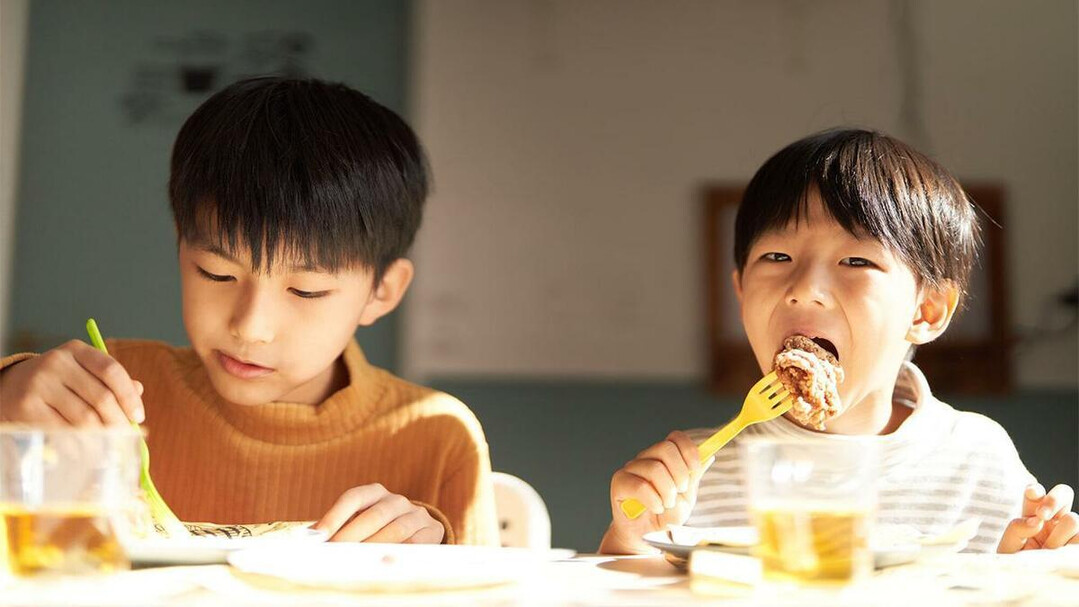
TOKYO — Community-run cafeterias offering free or low-cost meals to children in Japan have reached an all-time high, evolving into vital local safety nets—with some now operating around the clock to answer late-night cries for help.

According to a survey released by the nonprofit organization Musubie (National Children's Cafeteria Support Center) and cited by Japanese media on the 26th, the total number of kodomo shokudo (children's cafeterias) across Japan has reached 13,879. This marks an increase of 1,277 locations from last year, setting a new record since the organization began tracking the data in 2018.

Originally launched as a grassroots movement in the 2010s to combat the social issue of children eating alone due to financial hardship or busy parents, these spaces have grown into multigenerational community hubs welcoming senior citizens and local residents alike.

While operational styles vary—ranging from bi-weekly pop-ups to full-time venues—most meals are served free of charge by volunteers or priced under 300 yen (approximately $2).

To ensure no child in crisis is left behind, some facilities have adopted 24-hour operations. One notable example is "Yokosuka Nakanagaya" in Kanagawa Prefecture, which transitioned to a 24/7, year-round model in April. Staffed overnight, the facility provides immediate meals and safe shelter for children facing sudden emergencies. "We provide meals whenever needed, with staff stationed through the night to respond to urgent SOS calls from children," the cafeteria stated on its social media.

The demand for these spaces remains substantial. Musubie estimates that cumulative annual visits to children's cafeterias nationwide reached roughly 27.89 million, with minors under 18 accounting for 68% (about 19.08 million) of all visitors.

Regionally, Tokyo leads with 1,403 cafeterias, followed by Osaka Prefecture (1,174) and Kanagawa Prefecture (732). Today, at least one children's cafeteria operates in roughly 1,450 municipalities—covering 83% of all local governments in Japan—and in 43.0% of public elementary school districts nationwide, up from 39.7% last year.

Despite the record numbers, the pace of expansion is showing signs of slowing down. Data reported by Jiji Press indicates that while the network grew by more than 1,700 locations annually over the past three years (from 7,363 in 2022 to 12,602 last year), this year's net growth dropped to 1,277. Although over 1,900 new cafeterias opened, roughly 650 previously listed venues were excluded from this year's count, with around 450 confirmed to have closed or suspended operations.

Musubie pointed to rising food costs and a shortage of volunteers and staff as key factors behind the slowdown, noting that local support networks consistently cite funding and manpower as their biggest hurdles.

"While it is reassuring to see the number of children's cafeterias continue to grow amid rising economic anxiety, we must urgently establish stronger local support systems to sustain this expansion," a Musubie representative emphasized.

[Copyright (c) Global Economic Times. All Rights Reserved.]

  • #Cherry Garden
  • #HalalFood
  • #Halal
  • #Petlife
  • #Cats
  • #Dogs
  • #Halalhorizone
  • #Hormuz Impasse
  • #Joseon
  • #globaleconomicti
Desk
Desk

Popular articles

  • Beijing Demands Washington Deliver on Tariff Cuts to Unlock U.S. Farm Exports

  • AI Semiconductor Stocks Plummet: Philadelphia Index Drops 5.28% and Micron Plunges 7.59% Amid Executive Shakeup and Export Restrictions

  • Department Stores Have ‘ELS’, Shopping Malls Have ‘ODM’… Distribution Industry’s ‘Bedfellows’

I like it
Share
  • Facebook
  • X
  • Kakaotalk
  • LINE
  • BAND
  • NAVER
  • https://globaleconomictimes.kr/article/1065611583096046 Copy URL copied.
Comments >

Comments 0

Weekly Hot Issue

  • SpaceX’s Orbital Data Center Ambitions Clash with Wall Street Collateral Rules
  •  ‘Tulip Missile’ Mural Near Dutch Embassy in Moscow Highlights Rising Russia-Netherlands Tensions
  • Chinese Stocks 'Cheer' Government Stimulus Message... Major Indices Post Highest Gains in Two Years
  • Washington’s New ‘Overcapacity’ Tariffs Put Allies in the Crosshairs of U.S.-China Decoupling
  • "5 Times Cheaper in Japan": Koreans Flock Abroad Amid "Sushijaro" Craze, Prompting Warnings in Japan
  • From Ration Cards to a $1 Trillion Economy: How Poland Became Europe’s Tech and Industrial Powerhouse

Most Viewed

1
Exercise Beats Diet in Extending Lifespan, Major Review Finds
2
South Korean Burger Chain Lotteria Expands Singapore Footprint with Halal Certification and New Teriyaki Lineup
3
Memory Chip Rout Deepens as Wall Street Questions AI Spending and DRAM Pricing
4
AI Semiconductor Stocks Plummet: Philadelphia Index Drops 5.28% and Micron Plunges 7.59% Amid Executive Shakeup and Export Restrictions
5
"Stay Out, Get Paid, or Have Police Stay With You": Shenzhen Imposes Strict Security Ahead of APEC Summit
체리가든 스토리
nutri huevos
로타리
동포저널

Hot Issue

Washington and Nvidia Tighten the Screws on China’s Overseas AI Compute Loopholes

Soaring Costs Reshape American Thanksgiving Traditions as Families Downsize Holiday Feasts

Hyundai Unveils Mercury-Inspired 'Mercury Concept' in World Premiere

Fashion Runway Show 2026

Let’s recycle the old blankets in Jeju Island’s closet instead of incinerating them.

Global Economic Times
korocamia@naver.com
CEO : LEE YEON-SIL
Publisher & Editor : KO YONG-CHUL
Registration number : Seoul, A55681
Registration Date : 2024-10-24
Youth Protection Manager: KO YONG-CHUL
Singapore Headquarters
5A Woodlands Road #11-34 The Tennery. S'677728
Korean Branch
Phone : +82(0)10 4724 5264
#304, 6 Nonhyeon-ro 111-gil, Gangnam-gu, Seoul
Copyright © Global Economic Times All Rights Reserved
  • News K
  • 반달곰 프로젝트
  • 광고문의
Search
Category
  • All articles
  • Synthesis
  • World
  • Business
  • Industry
  • ICT
  • Distribution Economy
  • Well+Being 
    • 전체
    • Pet Life
    • Halal Horizon
  • Travel
  • Eco-News
  • Education
  • Korean Wave News
  • Opinion
  • Arts&Culture
  • Sports
  • People & Life 
    • 전체
    • International Student Report
    • With Ambassador
  • Column 
    • 전체
    • Cho Kijo Column
    • Cherry Garden Story
    • Ko Yong-chul Column
    • Kim Bong-seon's Photo Column
    • Kim Seul-Ong Column
    • Lee Yeon-sil Column
    • Professor Lee Soo-young’s Life Essays
  • Photo News
  • New Book Guide
  • Overseas Koreans
  • Multicultural News