• 2026.11.27 (Fri)
  • All articles
  • LOGIN
  • JOIN
Global Economic Times
한인동포뉴스(상단)
  • Synthesis
  • World
  • Business
  • Industry
  • ICT
  • Distribution Economy
  • Well+Being
    • Pet Life
    • Halal Horizon
  • Travel
  • Eco-News
  • Education
  • Korean Wave News
  • Opinion
  • Arts&Culture
  • Sports
  • People & Life
    • International Student Report
    • With Ambassador
  • Column
    • Cho Kijo Column
    • Cherry Garden Story
    • Ko Yong-chul Column
    • Kim Bong-seon's Photo Column
    • Kim Seul-Ong Column
    • Lee Yeon-sil Column
    • Professor Lee Soo-young’s Life Essays
  • Photo News
  • New Book Guide
MENU
 
Home > World

Washington’s New ‘Overcapacity’ Tariffs Put Allies in the Crosshairs of U.S.-China Decoupling

Eugenio Rodolfo Sanabria Reporter / Updated : 2026-11-27 19:14:00
  • -
  • +
  • Print


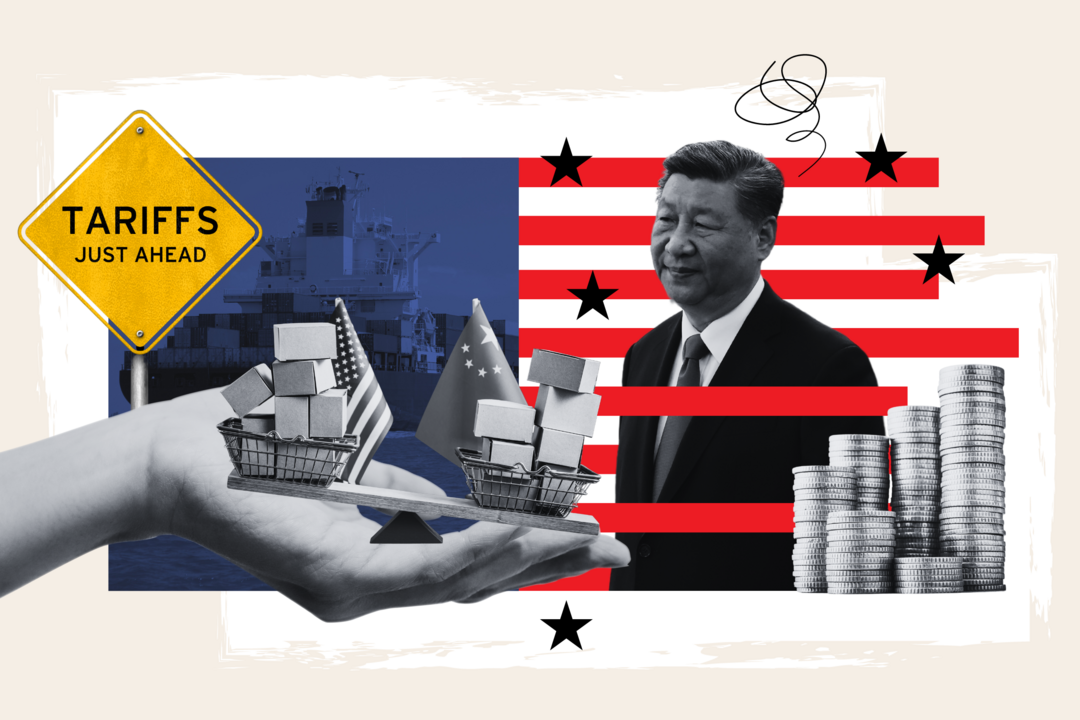
WASHINGTON — The Trump administration’s newly unveiled tariff threat against 14 major trading partners—ostensibly aimed at curbing global industrial overcapacity—is fundamentally a strategic strike at Beijing, forcing U.S. allies to choose between Chinese supply chains and American market access.

A review of the Section 301 investigation reports published Tuesday by the Office of the United States Trade Representative (USTR) reveals a consistent pattern: for all 13 economies assessed alongside China, including South Korea, Japan, and the European Union, Washington’s primary grievance is their failure to restrict inflows of Chinese goods and capital.

A Two-Pronged Case Against Beijing

At the core of the USTR’s argument is the classification of China as a "non-market economy" (NME) where state subsidies distort pricing and output. Rather than treating each nation's trade practices in isolation, the USTR linked China’s domestic industrial policies directly to third-country exports.

In its dedicated report on Beijing, the trade agency accused Chinese firms of relocating manufacturing hubs abroad to bypass existing trade barriers, noting that the specific impacts on host nations were documented in their respective country profiles. The sheer frequency of mentions underscores this focus: "China" is referenced more than 300 times each in the reports for the EU (315) and South Korea (314), and 270 times in Thailand’s assessment. Even Taiwan, the least-mentioned economy on the list, saw China cited 193 times.

Scrutiny Over Intermediate Goods and Trade Pacts

Washington contends that when foreign manufacturers rely on subsidized Chinese components, they not only absorb China's excess supply but also gain an unfair pricing edge when exporting finished goods to the U.S.

Vietnam: Flagged as a primary conduit for Chinese offshoring, Vietnam saw its imports of Chinese intermediate inputs jump 231% from 2017 to 2025, prompting the USTR to propose tariffs as high as 35%.
South Korea: The USTR singled out bilateral and regional trade frameworks—specifically the Korea-China FTA and the Regional Comprehensive Economic Partnership (RCEP)—for facilitating the influx of low-cost Chinese materials. The Saemangeum Korea-China Industrial Cooperation Complex was also spotlighted as a staging ground for Chinese firms targeting the U.S. market.
Japan: Despite reducing its reliance on Chinese intermediate goods from 17% in 2017 to 16% in 2025, Tokyo was still faulted for taking inadequate defensive measures.

Leverage Ahead of the Miami G20

Trade analysts view the Section 301 findings as a continuation of the White House's broader push to sever global supply chains from Beijing. According to Mark Williams, Chief Asia Economist at Capital Economics, placing China at the center of third-country trade investigations reflects the administration's ongoing campaign to compel economic decoupling.

The timing of the announcement also points toward high-stakes diplomacy. With a U.S.-China summit anticipated on the sidelines of next month's G20 leaders' meeting in Miami—and an existing bilateral trade truce set to expire on January 10—the tariffs appear designed as immediate leverage. While the USTR floated a baseline 20% tariff on Chinese overcapacity, it warned that rates could climb to 40%.

Wendy Cutler, vice president at the Asia Society Policy Institute, noted that the threat of steeper duties gives Washington crucial bargaining power to extract concessions from Beijing, particularly regarding guaranteed access to rare earths, critical minerals, and expanded Chinese purchases of American farm exports.

[Copyright (c) Global Economic Times. All Rights Reserved.]

  • #Cherry Garden
  • #HalalFood
  • #Halal
  • #Petlife
  • #Cats
  • #Dogs
  • #Halalhorizone
  • #Hormuz Impasse
  • #Joseon
  • #globaleconomicti
Eugenio Rodolfo Sanabria Reporter

Popular articles

  • At a Crossroads: Robotaxis Caught in the Crossfire of Job Security and Innovation

  • From "Kneeling" Suppliers to the AI Era: Will Long-Term Agreements Redefine Tech’s Power Dynamics?

  • South Korea’s HBM Chips Flow into China via Smuggling Networks Amid US Export Controls

I like it
Share
  • Facebook
  • X
  • Kakaotalk
  • LINE
  • BAND
  • NAVER
  • https://globaleconomictimes.kr/article/1065607936822317 Copy URL copied.
Comments >

Comments 0

Weekly Hot Issue

  • “Island Biennale Where Art and the Region Grow Together”Recruitment of Rental Booth Operators... Open to Any Island Resident or Provincial Citizen
  • “Special Art Encountered on the Islands”: Advance Ticket Sales Begin for the 2027 1st Island Biennale... 20% Discount Offered
  • South Korea, China, and Japan Connect Through Coexistence, Prosperity, and Peace in an Era of Great Transformation
  • Sejong Technopark Receives Minister of Trade, Industry and Energy Commendation at ‘2026 Bio Industry Day’
  • Busan SMEs and Startups Office Chief Lee Chung-il Visits Infant Behavior Tracking AI Startup Reactree
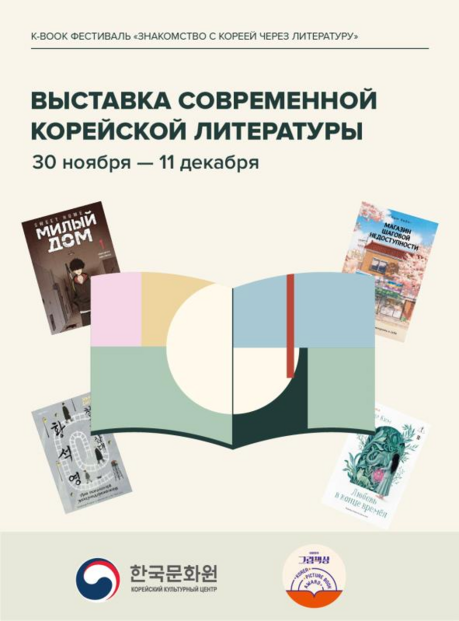
  • Promoting Korean Literature and Publishing Content in Russia… ‘K-Book Festival’ to Be Held

Most Viewed

1
Exercise Beats Diet in Extending Lifespan, Major Review Finds
2
South Korean Burger Chain Lotteria Expands Singapore Footprint with Halal Certification and New Teriyaki Lineup
3
Memory Chip Rout Deepens as Wall Street Questions AI Spending and DRAM Pricing
4
AI Semiconductor Stocks Plummet: Philadelphia Index Drops 5.28% and Micron Plunges 7.59% Amid Executive Shakeup and Export Restrictions
5
"Stay Out, Get Paid, or Have Police Stay With You": Shenzhen Imposes Strict Security Ahead of APEC Summit
체리가든 스토리
nutri huevos
로타리
동포저널

Hot Issue

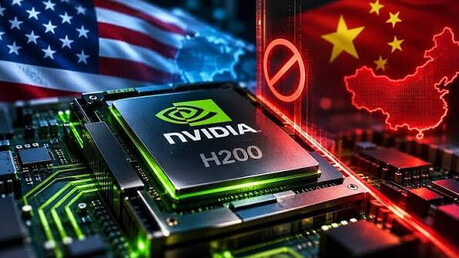
Washington and Nvidia Tighten the Screws on China’s Overseas AI Compute Loopholes

Soaring Costs Reshape American Thanksgiving Traditions as Families Downsize Holiday Feasts

Hyundai Unveils Mercury-Inspired 'Mercury Concept' in World Premiere

Fashion Runway Show 2026

Let’s recycle the old blankets in Jeju Island’s closet instead of incinerating them.

Global Economic Times
korocamia@naver.com
CEO : LEE YEON-SIL
Publisher & Editor : KO YONG-CHUL
Registration number : Seoul, A55681
Registration Date : 2024-10-24
Youth Protection Manager: KO YONG-CHUL
Singapore Headquarters
5A Woodlands Road #11-34 The Tennery. S'677728
Korean Branch
Phone : +82(0)10 4724 5264
#304, 6 Nonhyeon-ro 111-gil, Gangnam-gu, Seoul
Copyright © Global Economic Times All Rights Reserved
  • News K
  • 반달곰 프로젝트
  • 광고문의
Search
Category
  • All articles
  • Synthesis
  • World
  • Business
  • Industry
  • ICT
  • Distribution Economy
  • Well+Being 
    • 전체
    • Pet Life
    • Halal Horizon
  • Travel
  • Eco-News
  • Education
  • Korean Wave News
  • Opinion
  • Arts&Culture
  • Sports
  • People & Life 
    • 전체
    • International Student Report
    • With Ambassador
  • Column 
    • 전체
    • Cho Kijo Column
    • Cherry Garden Story
    • Ko Yong-chul Column
    • Kim Bong-seon's Photo Column
    • Kim Seul-Ong Column
    • Lee Yeon-sil Column
    • Professor Lee Soo-young’s Life Essays
  • Photo News
  • New Book Guide
  • Overseas Koreans
  • Multicultural News