• 2026.10.22 (Thu)
  • All articles
  • LOGIN
  • JOIN
Global Economic Times
[등록] 2026-09-01 15:48:31
  • Synthesis
  • World
  • Business
  • Industry
  • ICT
  • Distribution Economy
  • Well+Being
    • Pet Life
    • Halal Horizon
  • Travel
  • Eco-News
  • Education
  • Korean Wave News
  • Opinion
  • Arts&Culture
  • Sports
  • People & Life
    • International Student Report
    • With Ambassador
  • Column
    • Cho Kijo Column
    • Cherry Garden Story
    • Ko Yong-chul Column
    • Kim Seul-Ong Column
    • Lee Yeon-sil Column
  • Photo News
  • New Book Guide
MENU
 
Home > Business

Chungnam-style Social Solidarity Economy: Solving "Regional Problems with Regional Strength"

Yim Kwangsoo Correspondent / Updated : 2026-10-22 20:11:50
  • -
  • +
  • Print
- Implementing a 3-year, 4.5 billion KRW initiative across 4 sectors: Startup, Tourism, Social Services, and AI


- Securing 1 billion KRW in Local Extinction Response Funds… Solving regional issues through solidarity and cooperation among local entities -

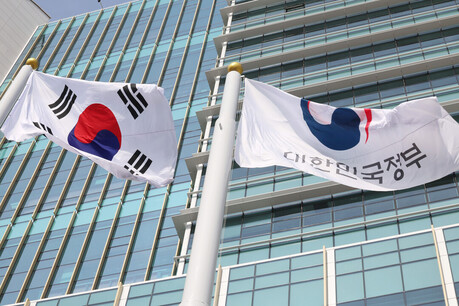
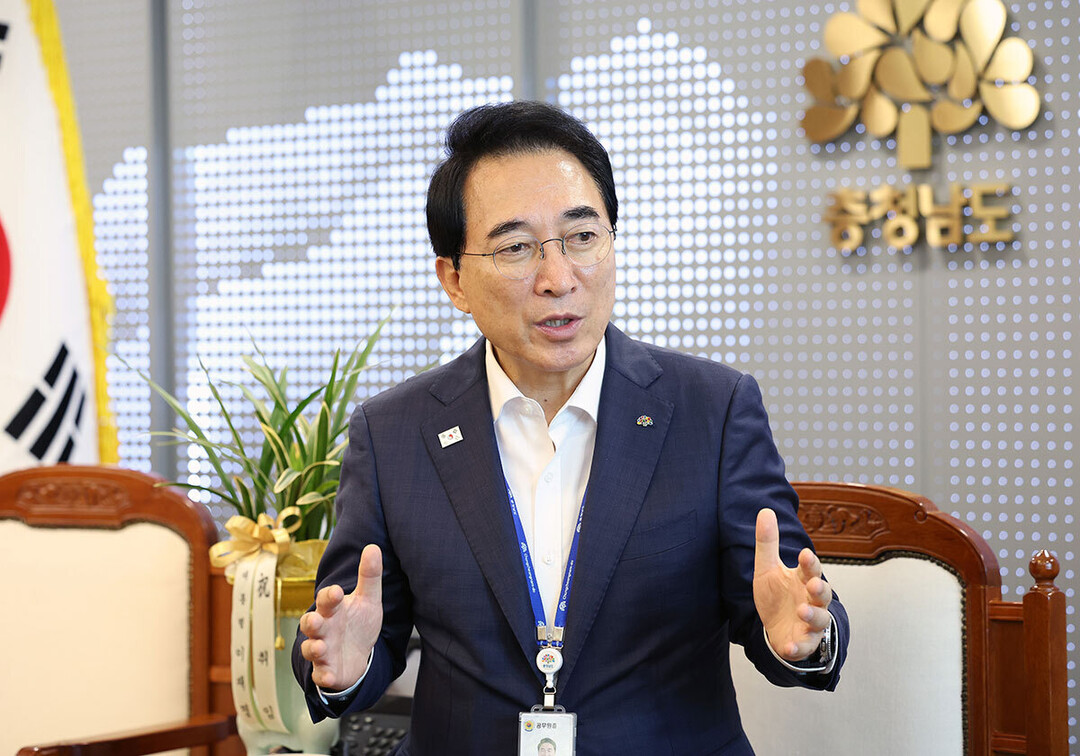
Chungcheongnam-do (Governor Park Su-hyun) is fully launching the "Chungnam-style Social Solidarity Economy," designed to resolve local issues through regional capabilities.

The province announced that it will execute four social solidarity economy projects totaling 4.5 billion KRW over a three-year period from 2026 to 2028. Having secured 1 billion KRW from the metropolitan account of this year’s Local Extinction Response Fund, the province plans to invest a total of 3 billion KRW in metropolitan funds and 1.5 billion KRW in municipal funds over the next three years.

Moving away from the traditional approach where administration single-handedly tackles regional issues, this initiative brings together diverse local stakeholders—including regional networks, intermediate support organizations, social enterprises, cooperatives, and residents—to discover and address regional demands collaboratively.

Over the years, Chungnam Province has continuously discussed regional pending issues, resident demands, and the role of the social solidarity economy in the field, exploring cooperative measures to solve local problems.

In particular, this initiative was formulated through a process where the public and private sectors jointly discovered projects and refined regional demands. The "Collective Impact" approach—where diverse local actors set common goals and connect their respective resources and capabilities to solve problems—will be applied throughout the entire project.

The initiatives will be implemented across four key sectors: Startups to create local jobs and income, Tourism leveraging local resources, Social Services supporting residents' daily lives, and AI to enhance the competitiveness of local organizations.

First, 1 billion KRW will be invested over three years to establish the "Local Social Solidarity Economy Startup Support System."

Based on regional problems and demands, the province will discover social solidarity economy startup founders and provide education, mentoring, and networking support. By utilizing shared offices within the Chungnam Social Economy Innovation Town and linking with municipal intermediate support organizations, the province aims to build a metropolitan-local startup support system that helps founders settle in the region.

Second, a total of 2 billion KRW—consisting of 1 billion KRW in metropolitan funds and 1 billion KRW in municipal funds—will be injected into the "Region-Circulating Sustainable Tourism Village."

By utilizing unique local resources such as culture, ecology, agriculture, and living heritage, the project will connect accommodation, food, agricultural products, culture, and experiences so that tourist consumption translates directly into local income and jobs. The goal is to build a region-circulating tourism model where profits generated from tourism are re-consumed and reinvested within the local community.

Finally, the "Rural and Fishing Village Social Services Pilot Model" will be promoted with a total scale of 1 billion KRW, comprising 500 million KRW in metropolitan funds and 500 million KRW in municipal funds.

Targeting nine population-declining areas, the project will identify gaps in daily local services such as care, education, mobility, food, and health. Social solidarity economy organizations, resident groups, and medical, welfare, and educational institutions will work together to pilot-test essential local services. Through this, the province plans to expand life services that residents can genuinely feel and reinforce regional settlement vitality.

[Copyright (c) Global Economic Times. All Rights Reserved.]
  • #Cherry Garden
  • #HalalFood
  • #Halal
  • #Petlife
  • #Halalhorizone
  • #Hormuz Impasse
  • #globaleconomictimes
  • #micorea
  • #mykor
Yim Kwangsoo Correspondent

Popular articles

  • LG CNS Partners with General Atlantic to Co-Invest in Enterprise Software and AI

  • Business Circles Express Deep Concern Over Newly Passed Occupational Safety and Health Act Amendment

  • Mechanization Makes Garlic Planting Season Easier!

I like it
Share
  • Facebook
  • X
  • Kakaotalk
  • LINE
  • BAND
  • NAVER
  • https://globaleconomictimes.kr/article/1065611453470905 Copy URL copied.
Comments >

Comments 0

Weekly Hot Issue

  • Gangwon Special Self-Governing Province Hosts Invitation Event for Dispatched Workers to Germany
  • Gangwon State and UN-Habitat to Host International Training Program on "Regional Development and Urban Infrastructure"
  • Busan Waterworks Headquarters Continues AI Technology Exchange and Cooperation with Ho Chi Minh City’s SAWACO
  • Busan City to Host the "2026 Busan Construction Companies-Major Builders Win-Win Day"
  • Busan Pet-Specialized Street Revitalized Through Festival: 「2026 Busan Pettro Festival」 Opens
  • "Find Your Job, Open Tomorrow in Busan!" — The 2026 KB Good Job Busan JOB Festival to Be Held

Most Viewed

1
AMD CEO Lisa Su Meets with Samsung and SK Hynix Chiefs, Sparking HBM Partnership Hopes
2
Henri Kagan and Kenso Soai Awarded the Nobel Prize in Chemistry
3
Deploying Drones to Inspect Sites and Support Administrative Tasks
4
Government Unveils 1,000 Trillion Won "K-GX" Initiative to Drive Decarbonization and Green Tech
5
Class Action Lawsuit Against Coupang Over Data Breach Voluntarily Dismissed to Refile in New York Southern District Court
체리가든 스토리
nutri huevos
로타리
동포저널

Hot Issue

Is the AI Investment Boom Fading? Wall Street Shaken by South Korean AI Startup’s Market Plunge

Government Fails to Collect Over 38 Trillion Won in Revenue Last Year, Surging by 12 Trillion Won in Just One Year

"Are We Only Making Dramas with AI?"… China Stirred Up by 55% Token Controversy

Fashion Runway Show 2026

Let’s recycle the old blankets in Jeju Island’s closet instead of incinerating them.

Global Economic Times
korocamia@naver.com
CEO : LEE YEON-SIL
Publisher : KO YONG-CHUL
Registration number : Seoul, A55681
Registration Date : 2024-10-24
Youth Protection Manager: KO YONG-CHUL
Singapore Headquarters
5A Woodlands Road #11-34 The Tennery. S'677728
Korean Branch
Phone : +82(0)10 4724 5264
#304, 6 Nonhyeon-ro 111-gil, Gangnam-gu, Seoul
Copyright © Global Economic Times All Rights Reserved
  • 향기네무료급식
  • APEC2025
  • 반달곰 프로젝트
Search
Category
  • All articles
  • Synthesis
  • World
  • Business
  • Industry
  • ICT
  • Distribution Economy
  • Well+Being 
    • 전체
    • Pet Life
    • Halal Horizon
  • Travel
  • Eco-News
  • Education
  • Korean Wave News
  • Opinion
  • Arts&Culture
  • Sports
  • People & Life 
    • 전체
    • International Student Report
    • With Ambassador
  • Column 
    • 전체
    • Cho Kijo Column
    • Cherry Garden Story
    • Ko Yong-chul Column
    • Kim Seul-Ong Column
    • Lee Yeon-sil Column
  • Photo News
  • New Book Guide
  • Overseas Koreans
  • Multicultural News