BEIJING & SHANGHAI — For Muslim travelers planning a trip to China, packing a suitcase full of canned provisions is no longer necessary. According to a recent account by a Pakistani traveler shared via Dawn, both Beijing and Shanghai offer a rich, accessible array of halal dining options, traditional tea houses, and international cuisines.
Beijing: Historic Flavors on Niujie Street
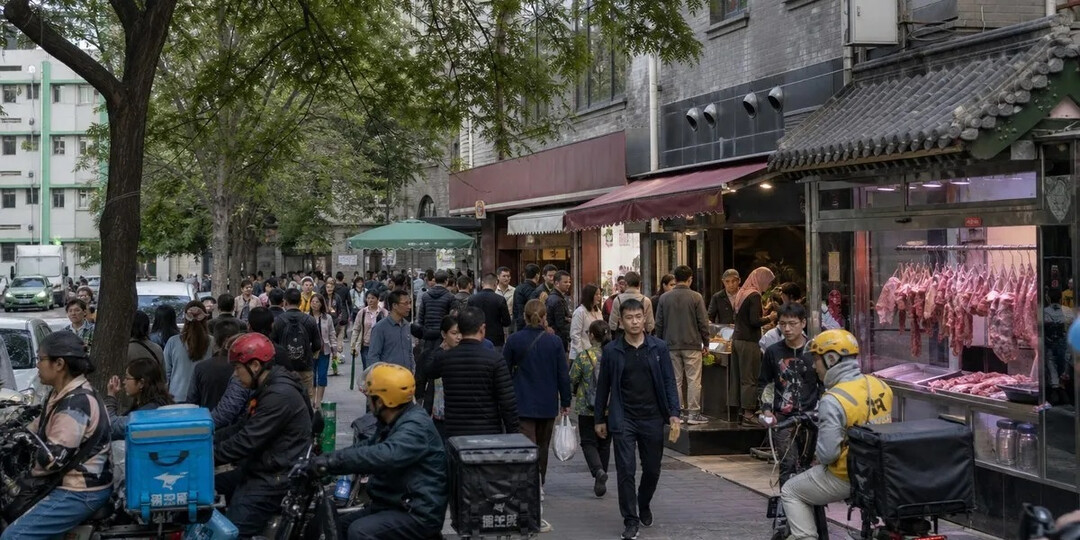
The traveler’s culinary exploration kicked off in Beijing at the historic Niujie Street, home to the city’s oldest mosque, the Niujie Mosque.
At a local Muslim restaurant, the traveler sampled a traditional hot pot featuring a spread of shrimp, beef, lamb, fish, octopus, squid, tofu, mushrooms, fresh vegetables, and noodles. Diners cooked thinly sliced meats and vegetables by dipping them briefly into boiling broth.
Niujie Street also offered popular street foods like xianbing—crispy, fried Chinese buns stuffed with chicken, shrimp, beef, or lamb fillings.
Beyond savory meals, the traveler visited a traditional tea house in Beijing’s old quarter. Guests were treated to aromatic green jasmine tea served in a gaiwan (a traditional lidded brewing bowl), accompanied by an assortment of snacks including melon, sunflower seeds, salted peanuts, dried plums, cashews, cherry tomatoes, hawthorn berries, and sweets.
Shanghai: Global Cuisines and Iconic Dumplings
Transitioning to Shanghai, the traveler was struck by the city’s culinary diversity, noting the effortless availability of Indian, Turkish, Lebanese, and halal Chinese restaurants, alongside Italian and Mexican eateries.
A highlight of the Shanghai leg was tasting xiaolongbao—delicate steamed soup dumplings. Choosing the crab meat variety, the traveler followed local dining etiquette: carefully sipping the hot broth through a straw before enjoying the wrapper and filling with chopsticks.
The final stop on the itinerary was the No. 3 Warehouse restaurant, located on the fourth floor of the New World City complex on Nanjing Pedestrian Street. Operating on a no-reservation policy, the group waited nearly two hours for a table. While the limited halal options led them to order yellow croaker and steamed shrimp with a special sauce, the traveler noted that the venue stood out more for its striking interior design and creative presentation than for its flavors, which fell slightly short of expectations.
Ultimately, the journey serves as an encouraging guide for future Muslim tourists, proving that China's major culinary hubs readily accommodate diverse dietary needs with vibrant flavor and hospitality.
[Copyright (c) Global Economic Times. All Rights Reserved.]